Kirjojen hintavertailu – 12 903 725 kirjaa ja 27 kauppaa

Kirjailija

Jane Kroger

Kirjat ja teokset yhdessä paikassa: 8 kirjaa, julkaisuja vuosilta 2006–2026, suosituimpiin kuuluu Identity in Adolescence. Vertaile teosten hintoja ja tarkista saatavuus suomalaisista kirjakaupoista.

8 kirjaa

Kirjojen julkaisuvuodet: 2006–2026.

Identity in Adolescence

Identity in Adolescence

Laura Ferrer-Wreder; Kazumi Sugimura; Jane Kroger

TAYLOR FRANCIS LTD
2026
sidottu
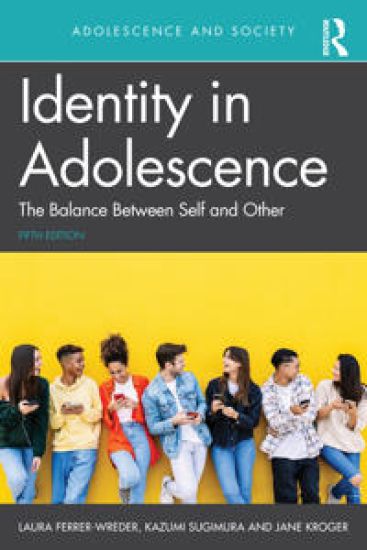
This fully revised fifth edition of Identity in Adolescence: The Balance Between Self and Other presents four theoretical perspectives on identity development during adolescence and young adulthood and their practical implications for intervention. Ferrer-Wreder, Sugimura, and Kroger consider adolescent identity development as the unique intersection of social and cultural forces in combination with individual factors that each theoretical model stresses in attempting to understand the identity formation process for contemporary adolescents. Identity in Adolescence addresses the complex question of how adolescent identity forms and develops during adolescence and young adulthood and serves as the foundation for entering adult life. The book is unique in its presentation of four selected models that address this process, along with cutting-edge research and the implications that each of these models hold for practical interventions. This new edition has been comprehensively revised, with one completely new chapter and seven have been extensively updated. Special topics are addressed, including ethnic, sexual, and gender identity development, the role of technology in adolescent identity development, bicultural identity development and ongoing identity development beyond adolescence. The book is essential reading for advanced undergraduate and graduate students studying adolescent development, self and social identity within developmental psychology, social psychology and clinical psychology, as well as practitioners in the fields of child welfare and mental health services, social work, youth and community work and counselling.
Identity in Adolescence

Identity in Adolescence

Laura Ferrer-Wreder; Kazumi Sugimura; Jane Kroger

TAYLOR FRANCIS LTD
2026
nidottu
This fully revised fifth edition of Identity in Adolescence: The Balance Between Self and Other presents four theoretical perspectives on identity development during adolescence and young adulthood and their practical implications for intervention. Ferrer-Wreder, Sugimura, and Kroger consider adolescent identity development as the unique intersection of social and cultural forces in combination with individual factors that each theoretical model stresses in attempting to understand the identity formation process for contemporary adolescents. Identity in Adolescence addresses the complex question of how adolescent identity forms and develops during adolescence and young adulthood and serves as the foundation for entering adult life. The book is unique in its presentation of four selected models that address this process, along with cutting-edge research and the implications that each of these models hold for practical interventions. This new edition has been comprehensively revised, with one completely new chapter and seven have been extensively updated. Special topics are addressed, including ethnic, sexual, and gender identity development, the role of technology in adolescent identity development, bicultural identity development and ongoing identity development beyond adolescence. The book is essential reading for advanced undergraduate and graduate students studying adolescent development, self and social identity within developmental psychology, social psychology and clinical psychology, as well as practitioners in the fields of child welfare and mental health services, social work, youth and community work and counselling.

Identity in Adolescence 4e

Identity in Adolescence 4e

Laura Ferrer-Wreder; Jane Kroger

Routledge
2019
sidottu
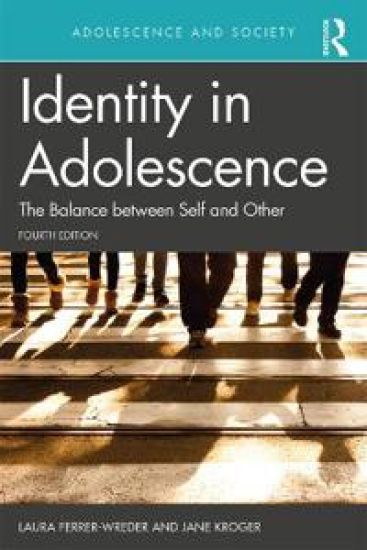
This fully revised fourth edition of Identity in Adolescence: The Balance Between Self and Other presents four theoretical perspectives on identity development during adolescence and young adulthood and their practical implications for intervention. Ferrer-Wreder and Kroger consider adolescent identity development as the unique intersection of social and cultural forces in combination with individual factors that each theoretical model stresses in attempting to understand the identity formation process for contemporary adolescents. Identity in Adolescence addresses the complex question of how adolescent identity forms and develops during adolescence and young adulthood and serves as the foundation for entering adult life. The book is unique in its presentation of four selected models that address this process, along with cutting-edge research and the implications that each of these models hold for practical interventions. This new edition has been comprehensively revised, with five completely new chapters and three that have been extensively updated. New special topics are also addressed, including ethnic, sexual, and gender identity development, the role of technology in adolescent identity development, and ongoing identity development beyond adolescence. The book is essential reading for advanced undergraduate and graduate students studying adolescent development, self and social identity within developmental psychology, social psychology and clinical psychology, as well as practitioners in the fields of child welfare and mental health services, social work, youth and community work and counselling.
Identity in Adolescence 4e

Identity in Adolescence 4e

Laura Ferrer-Wreder; Jane Kroger

Routledge
2019
nidottu
This fully revised fourth edition of Identity in Adolescence: The Balance Between Self and Other presents four theoretical perspectives on identity development during adolescence and young adulthood and their practical implications for intervention. Ferrer-Wreder and Kroger consider adolescent identity development as the unique intersection of social and cultural forces in combination with individual factors that each theoretical model stresses in attempting to understand the identity formation process for contemporary adolescents. Identity in Adolescence addresses the complex question of how adolescent identity forms and develops during adolescence and young adulthood and serves as the foundation for entering adult life. The book is unique in its presentation of four selected models that address this process, along with cutting-edge research and the implications that each of these models hold for practical interventions. This new edition has been comprehensively revised, with five completely new chapters and three that have been extensively updated. New special topics are also addressed, including ethnic, sexual, and gender identity development, the role of technology in adolescent identity development, and ongoing identity development beyond adolescence. The book is essential reading for advanced undergraduate and graduate students studying adolescent development, self and social identity within developmental psychology, social psychology and clinical psychology, as well as practitioners in the fields of child welfare and mental health services, social work, youth and community work and counselling.

Written Corrective Feedback in Second Language Acquisition and Writing
What should language and writing teachers do about giving students written corrective feedback? This book surveys theory, research, and practice on the important and sometimes controversial issue of written corrective feedback, also known as “error/grammar correction,” and its impact on second language acquisition and second language writing development. Offering state-of-the-art treatment of a topic that is highly relevant to both researchers and practitioners, it critically analyzes and synthesizes several parallel and complementary strands of research — work on error/feedback (both oral and written) in SLA and studies of the impact of error correction in writing/composition courses — and addresses practical applications. Drawing from both second language acquisition and writing/composition literature, this volume is the first to intentionally connect these two separate but important lines of inquiry.
Written Corrective Feedback in Second Language Acquisition and Writing
What should language and writing teachers do about giving students written corrective feedback? This book surveys theory, research, and practice on the important and sometimes controversial issue of written corrective feedback, also known as “error/grammar correction,” and its impact on second language acquisition and second language writing development. Offering state-of-the-art treatment of a topic that is highly relevant to both researchers and practitioners, it critically analyzes and synthesizes several parallel and complementary strands of research — work on error/feedback (both oral and written) in SLA and studies of the impact of error correction in writing/composition courses — and addresses practical applications. Drawing from both second language acquisition and writing/composition literature, this volume is the first to intentionally connect these two separate but important lines of inquiry.
Identity Development

Identity Development

Jane Kroger

SAGE Publications Inc
2006
nidottu
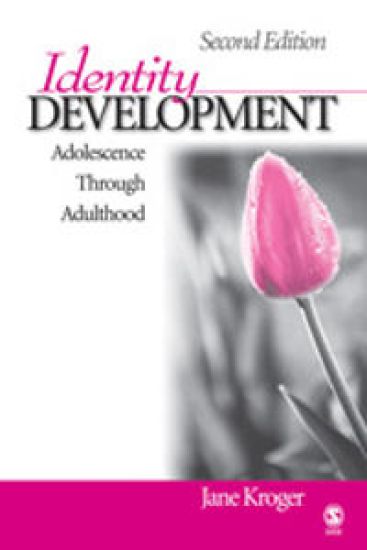
"This is the one book that I recommend as authoritative on life-span identity development. Written in a lively style with examples both numerous and apt, it helps practitioners and social planners to become current with research findings, and it provides researchers with both the necessary background and intriguing new ideas to advance their work. University instructors will find it invaluable as a text for a seminar in identity development as well as a highly useful supplement for courses in life-span development (adolescence through late adulthood) and personality theory. Kroger has written that rare book that is highly informative, useful, and a pleasure to read." -- James E. Marcia, Simon Fraser University, British ColumbiaThis volume highlights identity development from early adolescence through late adulthood and provides a valuable resource for university students as well as human services professionals. This Second Edition of Identity Development: Adolescence Through Adulthood presents an overview of the five general theoretical orientations to the question of what constitutes identity, as well as the strengths and limitations of each approach. The volume then describes key biological, psychological, and contextual issues during each phase of adolescence and adulthood. Following these major adolescence and adulthood sections, selected issues that may pose identity challenges for some are presented. New to the Second Edition: A thorough updating of key theories, researches, and demographic information on the course and contents of identity development from adolescence through adulthood An international focus in the selection of research used to examine key issues A discussion of measurement techniques used within various theoretical orientations to investigate issues of identity A contemporary critical analysis of current identity research within an Eriksonian framework
Identity Development

Identity Development

Jane Kroger

SAGE Publications Inc
2006
sidottu
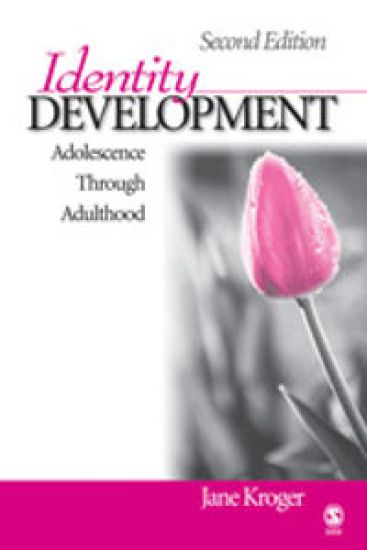
"This is the one book that I recommend as authoritative on life-span identity development. Written in a lively style with examples both numerous and apt, it helps practitioners and social planners to become current with research findings, and it provides researchers with both the necessary background and intriguing new ideas to advance their work. University instructors will find it invaluable as a text for a seminar in identity development as well as a highly useful supplement for courses in life-span development (adolescence through late adulthood) and personality theory. Kroger has written that rare book that is highly informative, useful, and a pleasure to read." -- James E. Marcia, Simon Fraser University, British ColumbiaThis volume highlights identity development from early adolescence through late adulthood and provides a valuable resource for university students as well as human services professionals. This Second Edition of Identity Development: Adolescence Through Adulthood presents an overview of the five general theoretical orientations to the question of what constitutes identity, as well as the strengths and limitations of each approach. The volume then describes key biological, psychological, and contextual issues during each phase of adolescence and adulthood. Following these major adolescence and adulthood sections, selected issues that may pose identity challenges for some are presented. New to the Second Edition: A thorough updating of key theories, researches, and demographic information on the course and contents of identity development from adolescence through adulthood An international focus in the selection of research used to examine key issues A discussion of measurement techniques used within various theoretical orientations to investigate issues of identity A contemporary critical analysis of current identity research within an Eriksonian framework