Kirjojen hintavertailu – 12 859 829 kirjaa ja 27 kauppaa

Kirjailija

Janne Flora

Kirjat ja teokset yhdessä paikassa: 3 kirjaa, julkaisuja vuosilta 2019–2020, suosituimpiin kuuluu Klassiske og moderne antropologiske tænkere. Vertaile teosten hintoja ja tarkista saatavuus suomalaisista kirjakaupoista.

3 kirjaa

Kirjojen julkaisuvuodet: 2019–2020.

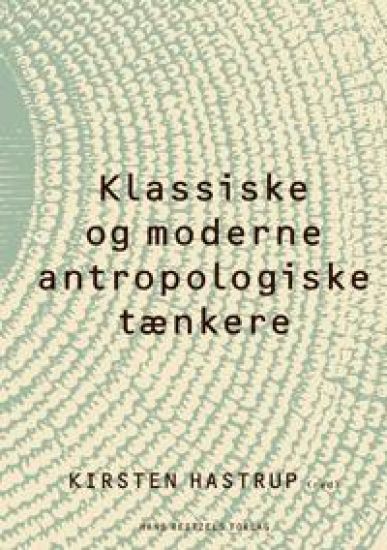
Klassiske og moderne antropologiske tænkere

Klassiske og moderne antropologiske tænkere

Kirsten Hastrup; Hanne Overgaard Mogensen; Lisanne Wilken; Lotte Meinert; Sally Anderson; Susan Reynolds Whyte; Tine Gammeltoft; Christopher Gad; Helene Risør; Heiko Henkel; Mikkel Bille; Nete Schwennesen; Janne Flora; Siri Schwabe; Kasper Tang Vangkilde; Edvard Hviding; Inger Sjørslev; Theodorus Hendrikus Otto; Thomas Hylland Eriksen; Steffen Dalsgaard; Lotte Buch Segal; Gisli Pálsson; Frida Hastrup; Marianne Elisabeth Lien; Ayo Wahlberg

Gyldendal
2020
nidottu
Klassiske og moderne antropologiske tænkere er en indføring i den særlige tænkning, som antropologien har fostret. Antropologien voksede ud af en stigende interesse for at forstå den globale mangfoldighed i slutningen af det 19. århundrede, hvor hele verden var kendt og opmålt. Samtidig vidste man stadig meget lidt om, hvordan enkeltsamfund hang sammen. Det blev der rådet bod på gennem det etnografiske feltarbejde, der opstod som en ny videnskabelig metode. Det direkte møde med andre former for samfundsliv og måder at ræsonnere på lagde grunden til en særegen antropologisk tænkestil, der udfolder sig mellem konkrete detaljer og generelle begreber. I bogen præsenteres centrale antropologers arbejder gennem intellektuelle portrætter af Franz Boas, Marcel Mauss, Knud Rasmussen, Margaret Mead, Claude Lévi-Strauss, Gregory Bateson, Mary Douglas, Talal Asad, Marilyn Strathern, Bruno Latour, Anna Tsing og mange flere. Klassiske og moderne antropologiske tænkere er skrevet af antropologer fra danske, norske og islandske universiteter og er redigeret af professor emeritus Kirsten Hastrup. Bogens opbygning er enkel: Tænkerne er kronologisk ordnet efter deres fødselsår. Fødselsåret forklarer naturligvis ikke tænkningen, men det er tydeligt, at hver enkelt tænker afspejler sin tid; lige så tydeligt er det, at afspejlingen hverken er mekanisk eller uniform, og at begreber kan trække lange spor i historien. Det, der forbinder kapitlerne med hinanden, er afsættet i konkrete samfund. Bogen viser således at “klassisk” og “moderne” ikke er entydigt tidslige kategorier. Specifikke feltarbejder finder sted på bestemte tider, men de kan omsættes i mangfoldige senere læsninger. Bogen er relevant for læsere inden for alle samfundsvidenskabelige studier såvel som inden for humanistiske studier, som ønsker at forstå og udfordres på begreber som kultur, natur, globalisering, slægtskab, udveksling og meget mere. Et kortfattet overblik, der introducerer hvert kapitel, en fyldig litteraturliste og et omfattende navne- og emneregister gør bogen anvendelig som opslagsværk og som redskab for litteratursøgning.
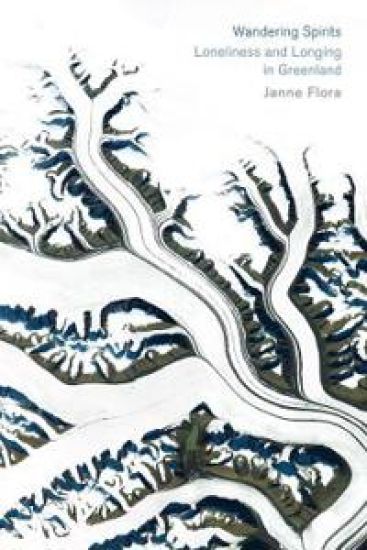
Wandering Spirits

Wandering Spirits

Janne Flora

University of Chicago Press
2019
sidottu
It is common to think of the Arctic as remote, perched at the farthest reaches of the world--a simple and harmonious, isolated utopia. But the reality, as Janne Flora shows us, is anything but. In Wandering Spirits, Flora reveals how deeply connected the Arctic is to the rest of the world and how it has been affected by the social, political, economic, and environmental shifts that ushered in the modern age. In this innovative study, Flora focuses on Inuit communities in Greenland and addresses a central puzzle: their alarmingly high suicide rate. She explores the deep connections between loneliness and modernity in the Arctic, tracing the history of Greenland and analyzing the social dynamics that shaped it. Flora's thorough, sensitive engagement with the families that make up these communities uncovers the complex interplay between loneliness and a host of economic and environmental practices, including the widespread local tradition of hunting. Wandering Spirits offers a vivid portrait of a largely overlooked world, in all its fragility and nuance, while engaging with core anthropological concerns of kinship and the structure of social relations.
Wandering Spirits

Wandering Spirits

Janne Flora

University of Chicago Press
2019
pokkari
It is common to think of the Arctic as remote, perched at the farthest reaches of the world--a simple and harmonious, isolated utopia. But the reality, as Janne Flora shows us, is anything but. In Wandering Spirits, Flora reveals how deeply connected the Arctic is to the rest of the world and how it has been affected by the social, political, economic, and environmental shifts that ushered in the modern age. In this innovative study, Flora focuses on Inuit communities in Greenland and addresses a central puzzle: their alarmingly high suicide rate. She explores the deep connections between loneliness and modernity in the Arctic, tracing the history of Greenland and analyzing the social dynamics that shaped it. Flora's thorough, sensitive engagement with the families that make up these communities uncovers the complex interplay between loneliness and a host of economic and environmental practices, including the widespread local tradition of hunting. Wandering Spirits offers a vivid portrait of a largely overlooked world, in all its fragility and nuance, while engaging with core anthropological concerns of kinship and the structure of social relations.