Kirjojen hintavertailu – 12 859 819 kirjaa ja 27 kauppaa

Kirjailija

Jarich Oosten

Kirjat ja teokset yhdessä paikassa: 4 kirjaa, julkaisuja vuosilta 2014–2016, suosituimpiin kuuluu The War of the Gods (RLE Myth). Vertaile teosten hintoja ja tarkista saatavuus suomalaisista kirjakaupoista.

4 kirjaa

Kirjojen julkaisuvuodet: 2014–2016.

Hunters, Predators and Prey

Hunters, Predators and Prey

Frédéric Laugrand; Jarich Oosten

Berghahn Books
2016
pokkari
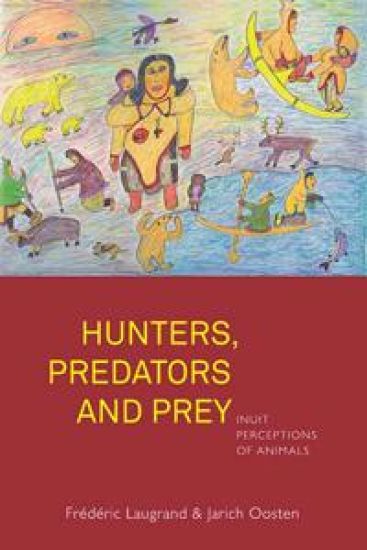
Inuit hunting traditions are rich in perceptions, practices and stories relating to animals and human beings. The authors examine key figures such as the raven, an animal that has a central place in Inuit culture as a creator and a trickster, and qupirruit, a category consisting of insects and other small life forms. After these non-social and inedible animals, they discuss the dog, the companion of the hunter, and the fellow hunter, the bear, considered to resemble a human being. A discussion of the renewal of whale hunting accompanies the chapters about animals considered ‘prey par excellence’: the caribou, the seals and the whale, symbol of the whole. By giving precedence to Inuit categories such as ‘inua’ (owner) and ‘tarniq’ (shade) over European concepts such as ‘spirit ‘and ‘soul’, the book compares and contrasts human beings and animals to provide a better understanding of human-animal relationships in a hunting society.
The War of the Gods (RLE Myth)

The War of the Gods (RLE Myth)

Jarich Oosten

Routledge
2015
sidottu
This structural analysis of myth, first published in 1985, focuses on social and political problems of Indo-European mythology. Dr Jarich Oosten tells how the ancient Indo-European gods competed for supreme power and the exclusive possession of the sacred potion of wisdom and immortality. In examining the social code of the wars of the gods, he reveals that there are remarkably consistent patterns in time and space: paternal relatives, equals at first, prove unable to share power, magic goods, etc; while some gods retain their divine status as an exclusive prerogative, their brothers or paternal cousins are transformed into demons; relatives by marriage, however, who are unequal at first, succeed in sharing power and magic goods, and thus become equal partners in the pantheon. Dr Oosten describes how the ancient mythological cycles were broken down and transformed into heroic sagas and epics, and shows how many traditionally related themes – the severed head, the magic cauldron – were preserved. Gradually the political problems of kingship came to overshadow the social problems of kinship, as in the development of the myths of King Arthur. Dr Oosten argues that the social code remains basically the same, and his analysis of this code gives a fascinating perspective on the development of Indo-European mythology from the oldest written sources to the comparatively recent faitytales.

Hunters, Predators and Prey

Hunters, Predators and Prey

Frédéric Laugrand; Jarich Oosten

Berghahn Books
2014
sidottu
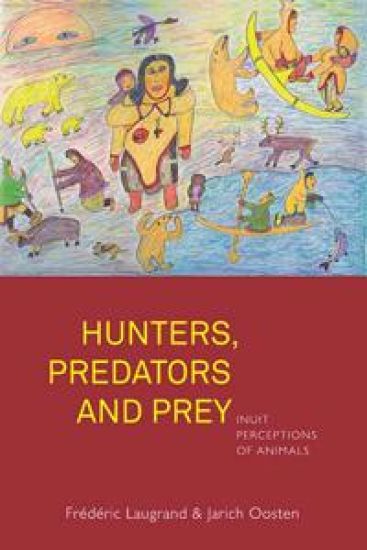
Inuit hunting traditions are rich in perceptions, practices and stories relating to animals and human beings. The authors examine key figures such as the raven, an animal that has a central place in Inuit culture as a creator and a trickster, and qupirruit, a category consisting of insects and other small life forms. After these non-social and inedible animals, they discuss the dog, the companion of the hunter, and the fellow hunter, the bear, considered to resemble a human being. A discussion of the renewal of whale hunting accompanies the chapters about animals considered ‘prey par excellence’: the caribou, the seals and the whale, symbol of the whole. By giving precedence to Inuit categories such as ‘inua’ (owner) and ‘tarniq’ (shade) over European concepts such as ‘spirit ‘and ‘soul’, the book compares and contrasts human beings and animals to provide a better understanding of human-animal relationships in a hunting society.