

Kirjailija
Jarkko Saarinen
Kirjat ja teokset yhdessä paikassa: 8 kirjaa, julkaisuja vuosilta 2008–2023, suosituimpiin kuuluu Climate Change and Tourism in Southern Africa. Vertaile teosten hintoja ja tarkista saatavuus suomalaisista kirjakaupoista.
8 kirjaa
Kirjojen julkaisuvuodet: 2008–2023.

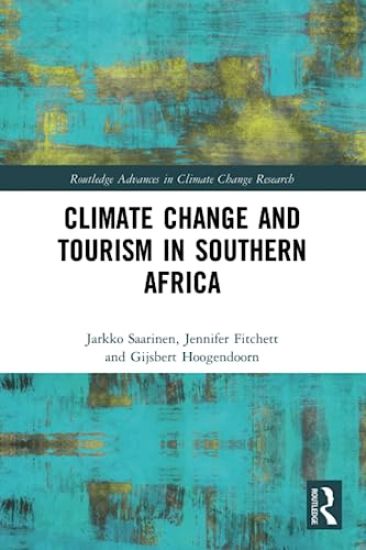
Climate Change and Tourism in Southern Africa
Jarkko Saarinen; Jennifer Fitchett; Gijsbert Hoogendoorn
TAYLOR FRANCIS LTD
2023
nidottu
This book explores the nature of climate change in southern Africa, its impacts on tourism and the resilience, adaptation and governance needs in various tourism operations and environments. Previous studies on climate change and tourism have mainly focused on the Global North and specific forms of tourism such as snow-based winter activities. Drawing on case studies from a wide range of countries including South Africa, Lesotho, Namibia, Botswana and Zimbabwe, this book fills this lacuna by describing and analysing the climate change and tourism nexus in the southern African context. The book begins by providing an overview of the current and estimated impacts of climate change to the tourism industry in the region, highlighting the deepening socio-economic inequities, and environmental and social injustices. It focuses on the importance of sustainable tourism in tackling these issues and highlights that resilience and robust governance and policy systems are essential for a tourism destination to successfully adapt to change. By synthesising the key lessons learned through this analysis, Climate Change and Tourism in Southern Africa also draws attention to specific adaptation and policy strategies which have value for other regions in the Global South. This book will be of great interest to students and scholars of climate change, tourism and environmental policy and justice.
Climate Change and Tourism in Southern Africa
Jarkko Saarinen; Jennifer Fitchett; Gijsbert Hoogendoorn
TAYLOR FRANCIS LTD
2022
sidottu
This book explores the nature of climate change in southern Africa, its impacts on tourism and the resilience, adaptation and governance needs in various tourism operations and environments. Previous studies on climate change and tourism have mainly focused on the Global North and specific forms of tourism such as snow-based winter activities. Drawing on case studies from a wide range of countries including South Africa, Lesotho, Namibia, Botswana and Zimbabwe, this book fills this lacuna by describing and analysing the climate change and tourism nexus in the southern African context. The book begins by providing an overview of the current and estimated impacts of climate change to the tourism industry in the region, highlighting the deepening socio-economic inequities, and environmental and social injustices. It focuses on the importance of sustainable tourism in tackling these issues and highlights that resilience and robust governance and policy systems are essential for a tourism destination to successfully adapt to change. By synthesising the key lessons learned through this analysis, Climate Change and Tourism in Southern Africa also draws attention to specific adaptation and policy strategies which have value for other regions in the Global South. This book will be of great interest to students and scholars of climate change, tourism and environmental policy and justice.
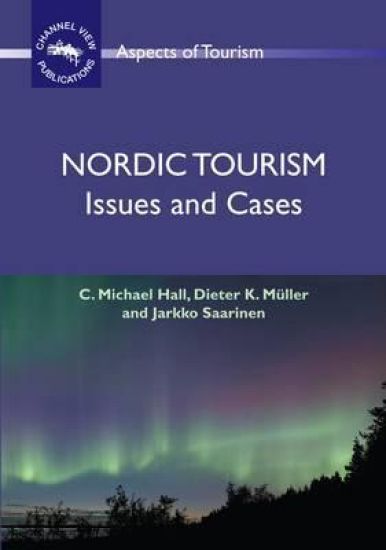
Nordic Tourism
C. Michael Hall; Dieter K. Müller; Jarkko Saarinen
Channel View Publications
2008
sidottu
Tourism is a major industry in the Nordic countries (Denmark, Finland, Iceland, Norway and Sweden) as well as a growing field of academic study. For many cities and regions tourism is also increasingly recognised as being integral to economic, social and sustainable development. In addition, tourism also contributes to Nordic identity through destination promotion and tourism activities, including winter tourism and the tradition of access to common land, as well as specific forms of tourism, such as second homes. Nordic Tourism is the first comprehensive and accessible introduction to tourism in the region that links Nordic tourism research and concerns with key concepts in tourism studies. The book consists of eleven chapters dealing with issues ranging from, for example, marketing and policy to nature-based tourism, culture and the contribution of tourism to environmental change. The inclusion of case studies from leading Nordic researchers on specific destinations, attractions, resources, sectors and developments also provides a valuable learning tool for all students of tourism.
Nordic Tourism
C. Michael Hall; Dieter K. Müller; Jarkko Saarinen
Channel View Publications
2008
nidottu
Tourism is a major industry in the Nordic countries (Denmark, Finland, Iceland, Norway and Sweden) as well as a growing field of academic study. For many cities and regions tourism is also increasingly recognised as being integral to economic, social and sustainable development. In addition, tourism also contributes to Nordic identity through destination promotion and tourism activities, including winter tourism and the tradition of access to common land, as well as specific forms of tourism, such as second homes. Nordic Tourism is the first comprehensive and accessible introduction to tourism in the region that links Nordic tourism research and concerns with key concepts in tourism studies. The book consists of eleven chapters dealing with issues ranging from, for example, marketing and policy to nature-based tourism, culture and the contribution of tourism to environmental change. The inclusion of case studies from leading Nordic researchers on specific destinations, attractions, resources, sectors and developments also provides a valuable learning tool for all students of tourism.
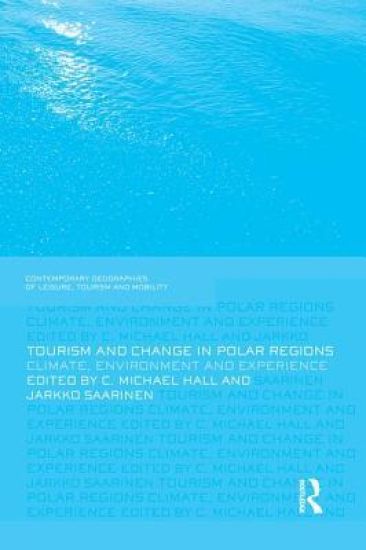
The world’s polar regions are attracting more interest than ever before. Once regarded as barren, inhospitable places where only explorers go, the north and south polar regions have been transformed into high profile tourism destinations, increasingly visited by cruise ships as well as becoming accessible with direct flights. Tourism is seen as one of the few economic opportunities in these regions but at the same time the polar regions are being opened up to tourism development they are being affected by a number of new factors that are interconnected to travel and tourism. Climate change, landscape and species loss, increasing interest in energy resources and minerals, social changes in indigenous societies, and a new polar geopolitics all bring into question the sustainability of polar regions and the place of tourism within them. This timely volume provides a contemporary account of tourism and its impacts in polar regions. It explores the development and prospects of polar tourism, as well as tourism’s impacts and associated change at high latitudes from environmental, economic, social and political perspectives. It draws on cutting edge research from both the Arctic and Antarctic to provide a comparative review and illustrate the real life issues arising from tourism’s role in these regions. Integrating theory and practice the book fully evaluates varying perspectives on polar tourism and proposes actions that could be taken by local and global management to achieve a sustainable future for polar regions and development of tourism. This complete and current account of polar tourism issues is written by an international team of leading researchers in this area and will have global appeal to higher level students, researchers, academics in Tourism, Environmental Studies, Arctic/Polar Studies and conservation enthusiasts alike.
The world’s polar regions are attracting more interest than ever before. Once regarded as barren, inhospitable places where only explorers go, the north and south polar regions have been transformed into high profile tourism destinations, increasingly visited by cruise ships as well as becoming accessible with direct flights. Tourism is seen as one of the few economic opportunities in these regions but at the same time the polar regions are being opened up to tourism development they are being affected by a number of new factors that are interconnected to travel and tourism. Climate change, landscape and species loss, increasing interest in energy resources and minerals, social changes in indigenous societies, and a new polar geopolitics all bring into question the sustainability of polar regions and the place of tourism within them. This timely volume provides a contemporary account of tourism and its impacts in polar regions. It explores the development and prospects of polar tourism, as well as tourism’s impacts and associated change at high latitudes from environmental, economic, social and political perspectives. It draws on cutting edge research from both the Arctic and Antarctic to provide a comparative review and illustrate the real life issues arising from tourism’s role in these regions. Integrating theory and practice the book fully evaluates varying perspectives on polar tourism and proposes actions that could be taken by local and global management to achieve a sustainable future for polar regions and development of tourism. This complete and current account of polar tourism issues is written by an international team of leading researchers in this area and will have global appeal to higher level students, researchers, academics in Tourism, Environmental Studies, Arctic/Polar Studies and conservation enthusiasts alike.