Kirjojen hintavertailu – 12 879 816 kirjaa ja 26 kauppaa
Kirjailija
Jason Edward Black
Kirjat ja teokset yhdessä paikassa: 4 kirjaa, julkaisuja vuosilta 2015–2018, suosituimpiin kuuluu American Indians and the Rhetoric of Removal and Allotment. Vertaile teosten hintoja ja tarkista saatavuus suomalaisista kirjakaupoista.
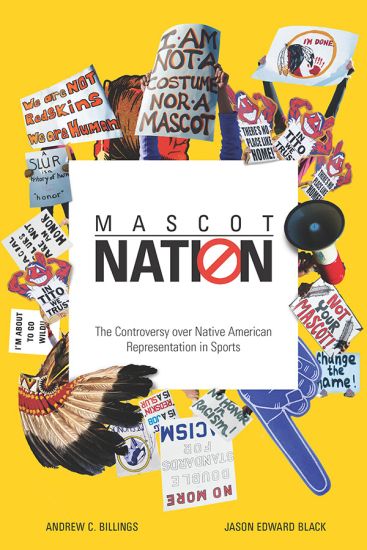
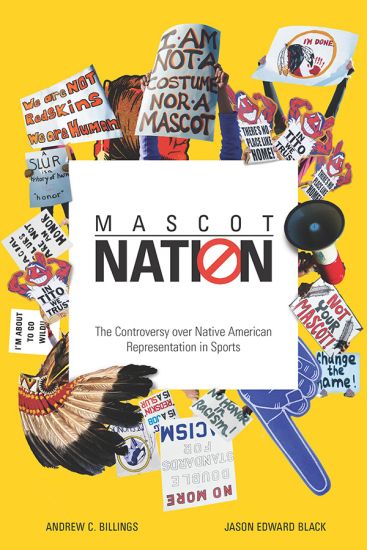
The issue of Native American mascots in sports raises passions but also a raft of often-unasked questions. Which voices get a hearing in an argument? What meanings do we ascribe to mascots? Who do these Indians and warriors really represent? Andrew C. Billings and Jason Edward Black go beyond the media bluster to reassess the mascot controversy. Their multi-dimensional study delves into the textual, visual, and ritualistic and performative aspects of sports mascots. Their original research, meanwhile, surveys sports fans themselves on their thoughts when a specific mascot faces censure. The result is a book that merges critical-cultural analysis with qualitative data to offer an innovative approach to understanding the camps and fault lines on each side of the issue, the stakes in mascot debates, whether common ground can exist and, if so, how we might find it.
The issue of Native American mascots in sports raises passions but also a raft of often-unasked questions. Which voices get a hearing in an argument? What meanings do we ascribe to mascots? Who do these Indians and warriors really represent? Andrew C. Billings and Jason Edward Black go beyond the media bluster to reassess the mascot controversy. Their multi-dimensional study delves into the textual, visual, and ritualistic and performative aspects of sports mascots. Their original research, meanwhile, surveys sports fans themselves on their thoughts when a specific mascot faces censure. The result is a book that merges critical-cultural analysis with qualitative data to offer an innovative approach to understanding the camps and fault lines on each side of the issue, the stakes in mascot debates, whether common ground can exist and, if so, how we might find it.
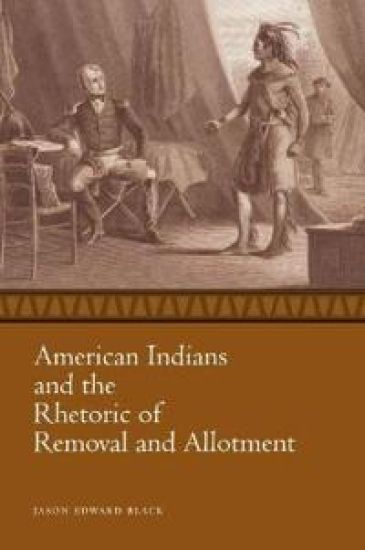
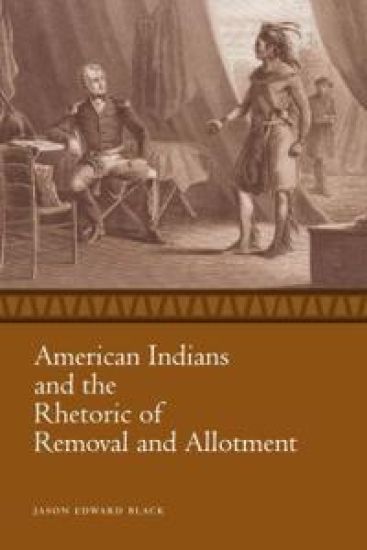
Jason Edward Black examines the ways the US government's rhetoric and American Indian responses contributed to the policies of Native-US relations throughout the nineteenth century's removal and allotment eras. Black shows how these discourses together constructed the perception of the US government and of American Indian communities. Such interactions - though certainly not equal - illustrated the hybrid nature of Native-US rhetoric in the nineteenth century. Both governmental, colonizing discourse and indigenous, decolonizing discourse shaped arguments, constructions of identity, and rhetoric in the colonial relationship. American Indians and the Rhetoric of Removal and Allotment demonstrates how American Indians decolonized dominant rhetoric through impeding removal and allotment policies. By turning around the US government's narrative and inventing their own tactics, American Indian communities helped restyle their own identities as well as the government's. During the first third of the twentieth century, American Indians lobbied for the successful passage of the Indian Citizenship Act of 1924 and the Indian New Deal of 1934, changing the relationship once again. In the end, Native communities were granted increased rhetorical power through decolonization, though the US government retained an undeniable colonial influence through its territorial management of Natives. The Indian Citizenship Act and the Indian New Deal - as the conclusion of this book indicates - are emblematic of the prevalence of the duality of US citizenship that fused American Indians to the nation, yet segregated them on reservations. This duality of inclusion and exclusion grew incrementally and persists now, as a lasting effect of nineteenth-century Native-US rhetorical relations.
Jason Edward Black examines the ways the US government's rhetoric and American Indian responses contributed to the policies of Native-US relations throughout the nineteenth century's removal and allotment eras. Black shows how these discourses together constructed the perception of the US government and of American Indian communities. Such interactions--though certainly not equal--illustrated the hybrid nature of Native-US rhetoric in the nineteenth century. Both governmental, colonizing discourse and indigenous, decolonizing discourse shaped arguments, constructions of identity, and rhetoric in the colonial relationship. American Indians and the Rhetoric of Removal and Allotment demonstrates how American Indians decolonized dominant rhetoric through impeding removal and allotment policies. By turning around the US government's narrative and inventing their own tactics, American Indian communities helped restyle their own identities as well as the government's. During the first third of the twentieth century, American Indians lobbied for the successful passage of the Indian Citizenship Act of 1924 and the Indian New Deal of 1934, changing the relationship once again. In the end, Native communities were granted increased rhetorical power through decolonization, though the US government retained an undeniable colonial influence through its territorial management of Natives. The Indian Citizenship Act and the Indian New Deal--as the conclusion of this book indicates--are emblematic of the prevalence of the duality of US citizenship that fused American Indians to the nation, yet segregated them on reservations. This duality of inclusion and exclusion grew incrementally and persists now, as a lasting effect of nineteenth-century Native-US rhetorical relations.