
Kirjojen hintavertailu – 12 859 818 kirjaa ja 27 kauppaa

Kirjailija

Jason G. Karlin

Kirjat ja teokset yhdessä paikassa: 3 kirjaa, julkaisuja vuosilta 2014–2019, suosituimpiin kuuluu Gender and Nation in Meiji Japan. Vertaile teosten hintoja ja tarkista saatavuus suomalaisista kirjakaupoista.

3 kirjaa

Kirjojen julkaisuvuodet: 2014–2019.

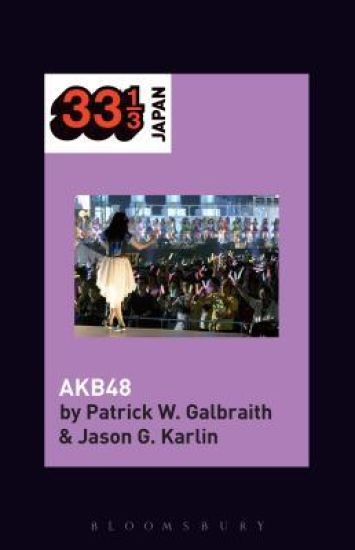
AKB48

AKB48

Patrick W. Galbraith; Jason G. Karlin

Bloomsbury Academic USA
2019
sidottu
Since its formation as a girl group in 2005, AKB48 has become a phenomenal success and institution in Japan. Having originally recruited fans with photocopied fliers and daily performances in the Akihabara area of Tokyo, AKB48 now saturates Japan. Its members--nearly 800 of them, including five sister groups and four so-called "rival groups" across Japan, as well as six sister groups in other Asian cities--appear in print, broadcast, online, and social media; in advertisements and on products; at home and on the train; on- and off-screen. AKB48's multi-platform omnipresence is characteristic of "idols," whose intimate relationship to fans and appeals to them for support have made the group dominant on the Oricon Yearly Singles Chart in the 2010s; they hold several records, including most consecutive million-selling singles sold in Japan. A unique business model relentlessly monetizes fans' affections through meet-and-greet events and elections, which maximize CD sales, and their saturated presence in the media. At a time when affect is more important than ever in economic, political, and social theory, this book explores the intersection of idols and affect in contemporary Japan and beyond.
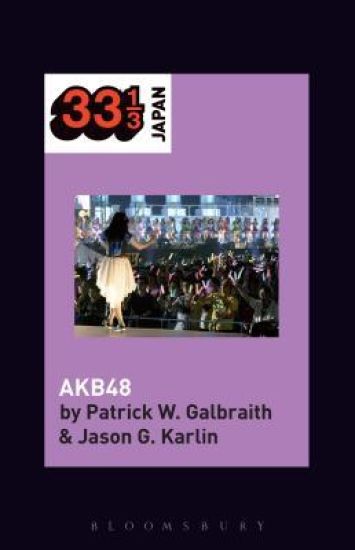
AKB48

AKB48

Patrick W. Galbraith; Jason G. Karlin

Bloomsbury Academic USA
2019
nidottu
Since its formation as a girl group in 2005, AKB48 has become a phenomenal success and institution in Japan. Having originally recruited fans with photocopied fliers and daily performances in the Akihabara area of Tokyo, AKB48 now saturates Japan. Its members--nearly 800 of them, including five sister groups and four so-called "rival groups" across Japan, as well as six sister groups in other Asian cities--appear in print, broadcast, online, and social media; in advertisements and on products; at home and on the train; on- and off-screen. AKB48's multi-platform omnipresence is characteristic of "idols," whose intimate relationship to fans and appeals to them for support have made the group dominant on the Oricon Yearly Singles Chart in the 2010s; they hold several records, including most consecutive million-selling singles sold in Japan. A unique business model relentlessly monetizes fans' affections through meet-and-greet events and elections, which maximize CD sales, and their saturated presence in the media. At a time when affect is more important than ever in economic, political, and social theory, this book explores the intersection of idols and affect in contemporary Japan and beyond.

Gender and Nation in Meiji Japan

Gender and Nation in Meiji Japan

Jason G. Karlin

University of Hawai'i Press
2014
sidottu
Gender and Nation in Meiji Japan is a historical analysis of_ the discourses of nostalgia in late nineteenth- and early twentieth-century Japan. Through an analysis of the experience of rapid social change in Japan's modernization, it argues that fads (ry?k?) and the desires they express are central to understanding Japanese modernity, conceptions of gender, and discourses of nationalism. In doing so, the author uncovers the myth of eternal return that lurks below the surface of Japanese history as an expression of the desire to find meaning amid the chaos and alienation of modern times. The Meiji period (1868-1912) was one of rapid change that hastened the process of forgetting: The state's aggressive program of modernization required the repression of history and memory. Rooted in the belief that the nation was a natural and organic entity that predated the rational, modern state, such conceptions often were responses to modernity that envisioned the nation in opposition to the modern state. What these visions of the nation shared was the ironic desire to overcome the modern condition by seeking the timeless past. While the condition of their repression was often linked to the modernizing policies of the Meiji state, the means for imagining the nation in opposition to the state required the construction of new symbols that claimed the authority of history and appealed to a rearticulated tradition. This book examines the intellectual, social, and cultural factors that contributed to the rapid spread of Western tastes and styles, along with the backlash against Westernization that was expressed as a longing for the past. By focusing on the expressions of these desires in popular culture and media texts, it reveals how the conflation of mother, countryside, everyday life, and history structured representations to naturalize ideologies of gender and nationalism.