Kirjojen hintavertailu – 12 903 725 kirjaa ja 27 kauppaa

Kirjailija

Javid Ahmad Parray

Kirjat ja teokset yhdessä paikassa: 8 kirjaa, julkaisuja vuosilta 2016–2025, suosituimpiin kuuluu Microbial and Enzyme-Based Technology for Plastic Biodegradation. Vertaile teosten hintoja ja tarkista saatavuus suomalaisista kirjakaupoista.

8 kirjaa

Kirjojen julkaisuvuodet: 2016–2025.

Microbial and Enzyme-Based Technology for Plastic Biodegradation

Microbial and Enzyme-Based Technology for Plastic Biodegradation

Javid Ahmad Parray; Wen-Jun Li

Springer International Publishing AG
2025
nidottu
Improper disposal of plastics increases micro-plastic discharge and waste to the environment. It causes growing global concern about the environmental and public health impacts of related byproducts. This book presents a safe process based on application of microbial cultures from different sources for the degradation of plastic waste to harmless products. The book begins by introducing the problem of plastic waste and its environmental impact, then moves on to describing microbial resources and the mechanism of biodegradation before presenting examples of biodegradation processes. Challenges of the microbial and enzyme based technologies for plastic biodegradation and potential research directions are also discussed.
Ozone Technology for Food Processing and Preservation

Ozone Technology for Food Processing and Preservation

Javid Ahmad Parray; Mohammad Yaseen Mir; Nusrat Shafi; A. K. Haghi

Springer International Publishing AG
2025
nidottu
Ozone is a powerful disinfectant with many applications. This book describes the unique advantages of using ozone technology for food decontamination. Food contamination, especially microbial contamination of fresh produce, is a serious concern in many parts of the world. Ozone decontamination can contribute to food safety and quality retention while avoiding the concerns associated with the use of pesticides. The book begins with an introduction about ozone properties and ozone technology followed by a detailed description of applications of ozone for preservation of grain, fruits, and vegetables, as well as meat and seafood. Possible effects on product quality and shelf life are discussed, and potential research directions for the future are also suggested.
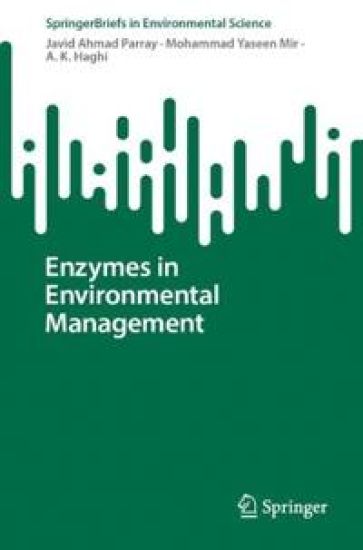
Enzymes in Environmental Management

Enzymes in Environmental Management

Javid Ahmad Parray; Mohammad Yaseen Mir; A. K. Haghi

Springer International Publishing AG
2024
nidottu
Enzymes can help break down plastic waste and make it less harmful to the environment. They can also be used to treat various types of waste, including agricultural and food waste, and wastewater. Enzyme engineering is an important part of chemical biotechnology and helps to keep the environment clean. Making clean and renewable fuels is a priority, and many strategies are being developed to achieve this goal. However, food waste is still a major problem that can harm the environment because most disposal methods are not eco-friendly. This volume aims to inform readers about the latest developments in the use of enzymes for environmental management. This comprehensive resource provides a detailed overview of how enzymes can be used in various sectors to promote ecological sustainability. It covers the composition, properties, characterization, chemistry, and applications of different enzymes in emerging and eco-friendly approaches to waste treatment. It also highlights the latest advancements in sustainable technology and biotechnology enzymes. The book is divided into sections that feature various enzymes used for treating resistant pollutants in wastewater, enzymatically degrading synthetic plastics, and engineering enzymes to impact environmental sustainability positively. It also covers enzymes used in the valorization of waste, enzyme technology in biofuel production, and the recovery of enzymes from food waste. Each chapter presents the enzymes' chemical, physical, and biological attributes and reviews the recent research conducted in this emerging field. The authors hope this document will inspire scientists to explore novel chemical, material, and energy sources in the future and to continue developing innovative applications for enzymes in environmental management.
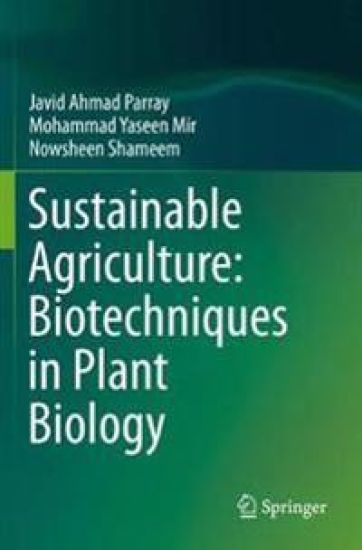
Sustainable Agriculture: Biotechniques in Plant Biology

Sustainable Agriculture: Biotechniques in Plant Biology

Javid Ahmad Parray; Mohammad Yaseen Mir; Nowsheen Shameem

Springer Verlag, Singapore
2020
nidottu
This book will be of immense helpful to the students of plant biotechnology, Agricultural sciences, Microbiology of both undergraduate and postgraduate levels in universities, colleges, and Research institutes. Besides the book will be quite supportive researchers who work in the field of plant biotechnology and agricultural sciences. In this book, the main focus will be on advanced genome editing approaches for the production of GM crops besides their socioeconomic, ethical and risk-biosafety assessments. Nanotechnology is the new emerging and fascinating field of science finds its application in almost all the major research areas and its uses in agriculture and food sectors are incipient. The books seems to be first in summarizing the two way interactive approach in the field of plant biotechnology and setting of a new arena in shaping the new bio techniques towards the sustainable cause.
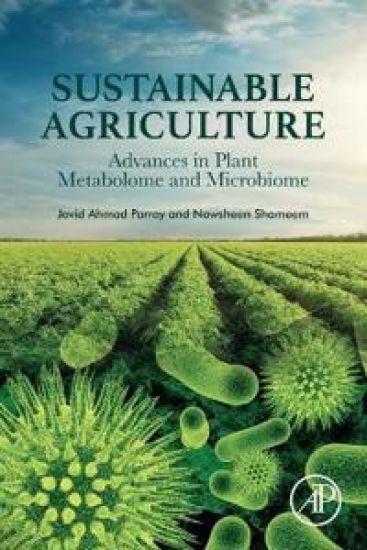
Sustainable Agriculture

Sustainable Agriculture

Javid Ahmad Parray; Nowsheen Shameem

Academic Press Inc
2019
nidottu
Sustainable Agriculture: Advances in Plant Metabolome and Microbiome focuses on the advancement of basic and applied research related to plant-microbe interaction and their implementation in progressive agricultural sustainability. The book also highlights the developing area of bioinformatics tools for the interpretation of metabolome, the integration of statistical and bioinformatics tools to manage huge generating data, metabolite profiling, and key signaling-driven substances, along with a section on the role of key biosynthetic pathways. Focused on selecting positive and effective interactive core-microbiome which will be adaptive and sustainable, this book will help researchers further improve the quality and productivity of crops through sustainable agriculture.
Sustainable Agriculture: Biotechniques in Plant Biology

Sustainable Agriculture: Biotechniques in Plant Biology

Javid Ahmad Parray; Mohammad Yaseen Mir; Nowsheen Shameem

Springer Verlag, Singapore
2019
sidottu
This book will be of immense helpful to the students of plant biotechnology, Agricultural sciences, Microbiology of both undergraduate and postgraduate levels in universities, colleges, and Research institutes. Besides the book will be quite supportive researchers who work in the field of plant biotechnology and agricultural sciences. In this book, the main focus will be on advanced genome editing approaches for the production of GM crops besides their socioeconomic, ethical and risk-biosafety assessments. Nanotechnology is the new emerging and fascinating field of science finds its application in almost all the major research areas and its uses in agriculture and food sectors are incipient. The books seems to be first in summarizing the two way interactive approach in the field of plant biotechnology and setting of a new arena in shaping the new bio techniques towards the sustainable cause.
Approaches to Heavy Metal Tolerance in Plants

Approaches to Heavy Metal Tolerance in Plants

Sumira Jan; Javid Ahmad Parray

Springer Verlag, Singapore
2018
nidottu
This book summarizes the development of highly tolerant cultivars via plant breeding, genomics, and proteomic approaches. This book could supplement data for budding researchers by providing extensive ongoing measures to improve the detoxification competence of appropriate species via wide range of plant improvement approaches. It also offers insights into heavy metal signalling,metal chelation by organic acids, amino acids, and phosphate derivatives, and illustrates other strategies that have been extensively investigated, such as genetic engineering, ecological improvement of the rhizosphere using mycorrhiza and chelator enhanced phytoremediation technology. This book could provide simple anthology for undergraduate and postgraduate students to understand fundamentals of heavy metal pollution in the environment. The book closes with a prelude to an inclusive study of biodiversity that could provide new biofilters for metal detoxification.
Approaches to Heavy Metal Tolerance in Plants

Approaches to Heavy Metal Tolerance in Plants

Sumira Jan; Javid Ahmad Parray

Springer Verlag, Singapore
2016
sidottu
This book summarizes the development of highly tolerant cultivars via plant breeding, genomics, and proteomic approaches. This book could supplement data for budding researchers by providing extensive ongoing measures to improve the detoxification competence of appropriate species via wide range of plant improvement approaches. It also offers insights into heavy metal signalling,metal chelation by organic acids, amino acids, and phosphate derivatives, and illustrates other strategies that have been extensively investigated, such as genetic engineering, ecological improvement of the rhizosphere using mycorrhiza and chelator enhanced phytoremediation technology. This book could provide simple anthology for undergraduate and postgraduate students to understand fundamentals of heavy metal pollution in the environment. The book closes with a prelude to an inclusive study of biodiversity that could provide new biofilters for metal detoxification.