Kirjojen hintavertailu – 12 903 735 kirjaa ja 27 kauppaa

Kirjailija

Jayaseelan Raj

Kirjat ja teokset yhdessä paikassa: 5 kirjaa, julkaisuja vuosilta 2017–2022, suosituimpiin kuuluu Plantation Crisis. Vertaile teosten hintoja ja tarkista saatavuus suomalaisista kirjakaupoista.

5 kirjaa

Kirjojen julkaisuvuodet: 2017–2022.

Plantation Crisis

Plantation Crisis

Jayaseelan Raj

UCL Press
2022
Sidottu
What does the collapse of India?s tea industry mean for Dalit workers who have lived, worked and died on the plantations since the colonial era? Plantation Crisis offers a complex understanding of how processes of social and political alienation unfold in moments of economic rupture. Based on long-term ethnographic fieldwork in the Peermade and Munnar tea belts, Jayaseelan Raj ? himself a product of the plantation system ? offers a unique and richly detailed analysis of the profound, multi-dimensional sense of crisis felt by those who are at the bottom of global plantation capitalism and caste hierarchy. Tea production in India accounts for 25 per cent of global output. The colonial era planation system ? and its two million strong workforce ? has, since the mid-1990s, faced a series of ruptures due to neoliberal economic globalisation. In the South Indian state of Kerala, otherwise known for its labour-centric development initiatives, the Tamil speaking Dalit workforce, whose ancestors were brought to the plantations in the 19th century, are at the forefront of this crisis, which has profound impacts on their social identity and economic wellbeing. Out of the colonial history of racial capitalism and indentured migration, Plantation Crisis opens our eyes to the collapse of the plantation system and the rupturing of Dalit lives in India's tea belt.
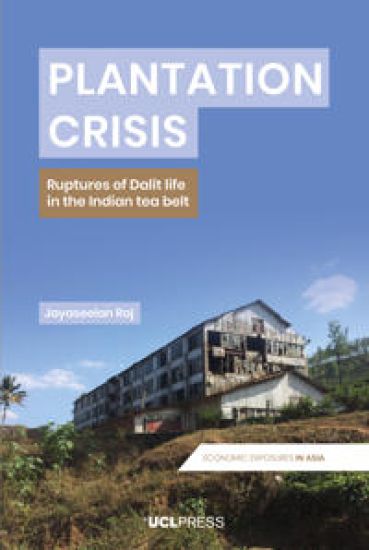
Plantation Crisis

Plantation Crisis

Jayaseelan Raj

UCL Press
2022
nidottu
An illuminating and intimate account of the ruptures in life at the bottom of global capitalism and caste hierarchy. What does the collapse of India's tea industry mean for Dalit workers who have lived, worked, and died on the plantations since the colonial era? Since the mid-1990s, the colonial era plantation system--and its workforce of more than two million people-- has faced a series of ruptures stemming from neoliberal economic globalization. In the South Indian state of Kerala, the Dalit workforce is at the forefront of this crisis and its profound effects on their social identity and economic wellbeing. Plantation Crisis offers a complex understanding of how processes of social and political alienation unfold in moments of economic rupture. Based on long-term ethnographic fieldwork in the Peermade and Munnar tea belts, the book analyzes the profound, multidimensional sense of crisis felt by those who are at the bottom of global plantation capitalism. Out of the colonial history of racial capitalism and indentured migration, Plantation Crisis opens our eyes to the collapse of the plantation system in India, and the profound impacts this has on the Dalit workers who lived there for generations.
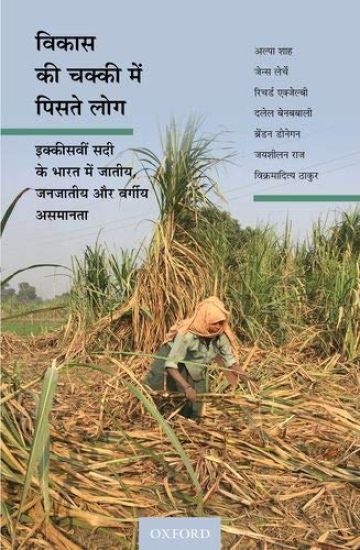
Vikas ki Chakki Mein Piste Log

Vikas ki Chakki Mein Piste Log

Alpa Shah; Jens Lerche; Richard Axelby; Dalel Benbabaali; Brendan Donegan; Jayaseelan Raj; Vikramaditya Thakur

OUP India
2020
nidottu
Why has India's astonishing economic growth not reached the people at the bottom of its social and economic hierarchy? Travelling the length and breadth of the subcontinent, this book shows how India's 'untouchables' and 'tribals' fit into the global economy. India's Dalit and Adivasi communities make up a staggering one in twenty-five people across the globe and yet they remain amongst the most oppressed. Conceived in dialogue with economists, 'Ground Down by Growth' reveals the impact of global capitalism on their lives. It shows how capitalism entrenches, rather than erases, social difference and has transformed traditional forms of identity-based discrimination into new mechanisms of exploitation and oppression. Through studies of the working poor, migrant labour, and the conjugated oppression of caste, tribe, region, gender, and class relations, the social inequalities generated by capitalism are exposed.
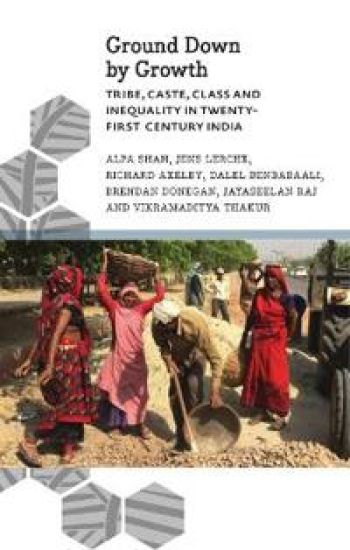
Ground Down by Growth

Ground Down by Growth

Alpa Shah; Jens Lerche; Richard Axelby; Dalel Benbabaali; Brendan Donegan; Vikramaditya Thakur; Jayaseelan Raj

Pluto Press
2017
sidottu
Why has India’s astonishing economic growth not reached the people at the bottom of its social and economic hierarchy? Travelling the length and breadth of the subcontinent, this book shows how India’s ‘untouchables' and ‘tribals' fit into the global economy. India’s Dalit and Adivasi communities make up a staggering one in twenty-five people across the globe and yet they remain amongst the most oppressed. Conceived in dialogue with economists, Ground Down by Growth reveals the impact of global capitalism on their lives. It shows how capitalism entrenches, rather than erases, social difference and has transformed traditional forms of identity-based discrimination into new mechanisms of exploitation and oppression. Through studies of the working poor, migrant labour and the conjugated oppression of caste, tribe, region, gender and class relations, the social inequalities generated by capitalism are exposed.
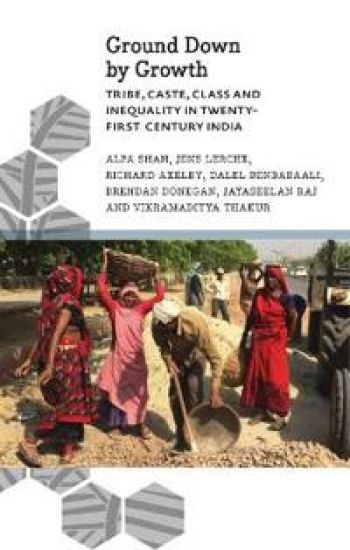
Ground Down by Growth

Ground Down by Growth

Alpa Shah; Jens Lerche; Richard Axelby; Dalel Benbabaali; Brendan Donegan; Vikramaditya Thakur; Jayaseelan Raj

Pluto Press
2017
pokkari
Why has India’s astonishing economic growth not reached the people at the bottom of its social and economic hierarchy? Travelling the length and breadth of the subcontinent, this book shows how India’s ‘untouchables' and ‘tribals' fit into the global economy. India’s Dalit and Adivasi communities make up a staggering one in twenty-five people across the globe and yet they remain amongst the most oppressed. Conceived in dialogue with economists, Ground Down by Growth reveals the impact of global capitalism on their lives. It shows how capitalism entrenches, rather than erases, social difference and has transformed traditional forms of identity-based discrimination into new mechanisms of exploitation and oppression. Through studies of the working poor, migrant labour and the conjugated oppression of caste, tribe, region, gender and class relations, the social inequalities generated by capitalism are exposed.