Kirjojen hintavertailu – 12 903 725 kirjaa ja 27 kauppaa

Kirjailija

Jayne Mooney

Kirjat ja teokset yhdessä paikassa: 4 kirjaa, julkaisuja vuosilta 2019–2026, suosituimpiin kuuluu Natural Resource Extraction and Violence Against Women in Rural Places. Vertaile teosten hintoja ja tarkista saatavuus suomalaisista kirjakaupoista.

4 kirjaa

Kirjojen julkaisuvuodet: 2019–2026.

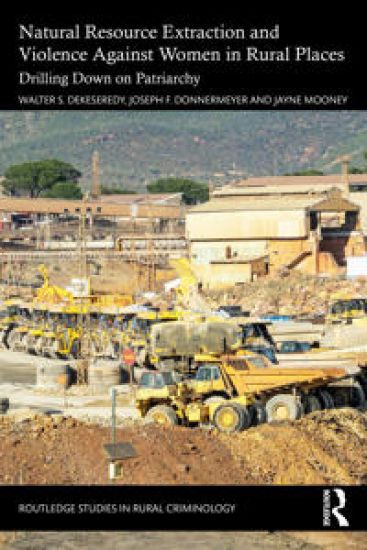
Natural Resource Extraction and Violence Against Women in Rural Places

Natural Resource Extraction and Violence Against Women in Rural Places

Walter S. DeKeseredy; Joseph F. Donnermeyer; Jayne Mooney

TAYLOR FRANCIS LTD
2026
nidottu
The phenomenon of boomtowns and of various impacts from resource extraction is global in the sense that it affects many, but certainly not all, rural communities throughout the world. However, it is not a single, homogenous influence, but one with a diversity of effects, including, violence against women (VAW). Driven by sophisticated theoretical framework, one that integrates three discrete bodies of knowledge (VAW, green criminology, and rural criminology), this book (1) describes the nature, extent, and distribution of VAW in rural boomtowns around the world, (2) critiques what the authors refer to as an anomie/social disorganization model of VAW in rural boomtown communities, and (3) introduces the concept of patriarchal social reorganization and demonstrates that globalization and natural resource extraction did not bring VAW to rural communities, but rather intensified an existing problem. The authors call upon the criminological community, especially feminist and rural criminologists, to stretch their theoretical imaginations to examine patriarchal linkages between localized expressions of patriarchy, natural resource extraction and VAW. Moreover, heavily informed by a combination of sound research and theoretical work and progressive practices designed and implemented by left realists, human rights activists, Indigenous coalitions, and by feminists, this book recommends forward thinking and timely ways of curbing the types of violence identified throughout it. This is essential reading for all engaged in rural and feminist criminology, violence against women, and natural resource extraction.
Natural Resource Extraction and Violence Against Women in Rural Places

Natural Resource Extraction and Violence Against Women in Rural Places

Walter S. DeKeseredy; Joseph F. Donnermeyer; Jayne Mooney

TAYLOR FRANCIS LTD
2026
sidottu
The phenomenon of boomtowns and of various impacts from resource extraction is global in the sense that it affects many, but certainly not all, rural communities throughout the world. However, it is not a single, homogenous influence, but one with a diversity of effects, including, violence against women (VAW). Driven by sophisticated theoretical framework, one that integrates three discrete bodies of knowledge (VAW, green criminology, and rural criminology), this book (1) describes the nature, extent, and distribution of VAW in rural boomtowns around the world, (2) critiques what the authors refer to as an anomie/social disorganization model of VAW in rural boomtown communities, and (3) introduces the concept of patriarchal social reorganization and demonstrates that globalization and natural resource extraction did not bring VAW to rural communities, but rather intensified an existing problem. The authors call upon the criminological community, especially feminist and rural criminologists, to stretch their theoretical imaginations to examine patriarchal linkages between localized expressions of patriarchy, natural resource extraction and VAW. Moreover, heavily informed by a combination of sound research and theoretical work and progressive practices designed and implemented by left realists, human rights activists, Indigenous coalitions, and by feminists, this book recommends forward thinking and timely ways of curbing the types of violence identified throughout it. This is essential reading for all engaged in rural and feminist criminology, violence against women, and natural resource extraction.

The Theoretical Foundations of Criminology
To confront the challenges criminologists face today and to satisfactorily critique the theories on which criminology is founded, we need to learn from the past. To do this we must give context to both theorist and theory. Written from a critical perspective, this book brings criminological theory to life. It presents the core theories of criminology as historical and cultural products and theorists as producers of culture located in particular places, writing in specific historical periods and situated in precise intellectual networks and philosophical controversies. This book illustrates that theory does not arise ‘out of the blue’ and highlights the importance of understanding how and why ideas emerge at certain points in time, why they gained currency and the influence that they have had. It follows the trajectory of criminology from pre-Enlightenment society through to the present day and the proliferation of criminological thinking. It explores: Setting the Stage for the Emergence of Criminology Classicist Criminology: The Search for Justice, Equality and the Rational ‘Man’ The Positivist Revolution, Physiognomy, Phrenology and the Science of ‘Othering’ Chicago School of Sociology: An Explosion of Ideas Developing a Sociological Criminology: Durkheim, Du Bois, Merton and Tannenbaum Feminism: Redressing the Gender Imbalance Confronting the Establishment: The Emergence of Critical Criminology From Theoretical Innovations to Political Engagement The Theoretical Foundations of Criminology provides an invaluable contribution to the growing conversation about criminology’s ‘origin story’ and the level that this is grounded in the idiosyncrasies of the North Atlantic world and its historical development. This book will be invaluable reading to students and academics engaged in studies of criminology and criminal justice.
The Theoretical Foundations of Criminology

The Theoretical Foundations of Criminology

Jayne Mooney

Prentice-Hall
2019
nidottu

Halvin toimitettuna 52,20 €

To confront the challenges criminologists face today and to satisfactorily critique the theories on which criminology is founded, we need to learn from the past. To do this we must give context to both theorist and theory. Written from a critical perspective, this book brings criminological theory to life. It presents the core theories of criminology as historical and cultural products and theorists as producers of culture located in particular places, writing in specific historical periods and situated in precise intellectual networks and philosophical controversies. This book illustrates that theory does not arise 'out of the blue' and highlights the importance of understanding how and why ideas emerge at certain points in time, why they gained currency and the influence that they have had. It follows the trajectory of criminology from pre-Enlightenment society through to the present day and the proliferation of criminological thinking. It explores: Setting the Stage for the Emergence of CriminologyClassicist Criminology: The Search for Justice, Equality and the Rational 'Man'The Positivist Revolution, Physiognomy, Phrenology and the Science of 'Othering' Chicago School of Sociology: An Explosion of IdeasDeveloping a Sociological Criminology: Durkheim, Du Bois, Merton and TannenbaumFeminism: Redressing the Gender ImbalanceConfronting the Establishment: The Emergence of Critical CriminologyFrom Theoretical Innovations to Political Engagement The Theoretical Foundations of Criminology provides an invaluable contribution to the growing conversation about criminology's 'origin story' and the level that this is grounded in the idiosyncrasies of the North Atlantic world and its historical development. This book will be invaluable reading to students and academics engaged in studies of criminology and criminal justice.