Kirjailija
Jean De La Fontaine
Kirjat ja teokset yhdessä paikassa: 350 kirjaa, julkaisuja vuosilta 1971–2026, suosituimpiin kuuluu Épîtres de la Fontaine: Discours À Mme de la Sablière, Épître À Huet, Par Félix Hémon,. Vertaile teosten hintoja ja tarkista saatavuus suomalaisista kirjakaupoista.
350 kirjaa
Kirjojen julkaisuvuodet: 1971–2026.

Phaedri Liberti Augusti Fabulae
Phaedrus; Jean De La Fontaine
KESSINGER PUBLISHING, LLC
2009
pokkari


Fables Causides De La Fontaine En Bers Gascouns (1776)
Jean De La Fontaine
KESSINGER PUBLISHING, LLC
2009
pokkari

Fabulae Selectae Fontanii E Gallico In Latinum Sermonem Conversae
Jean De La Fontaine; J. B. Giraud
KESSINGER PUBLISHING, LLC
2009
pokkari

Les Amours De Psiche Et De Cupidon (1701)
Jean De La Fontaine
KESSINGER PUBLISHING, LLC
2009
pokkari



Though they were first written over 300 years ago, this is the first complete English translation of Jean de La Fontaine's comedic classic Contes et nouvelles en vers. Both sexually charged and wickedly funny, La Fontaine's Tales will surprise readers who know him only from his work on fables for children. Though the writing is more suggestive than vulgar, it still has the power to shock readers unprepared for the darkness that inhabits these poems. Included are nearly seventy illustrations dating from the 18th and 19th centuries, many of them rare, as well as extensive commentary by the editor.




The Original Fables of La Fontaine
Jean de La Fontaine; Frederick Colin (TRN) Tilney
Kessinger Pub
2008
sidottu

The Original Fables Of La Fontaine
Jean de La Fontaine; Frederick Colin (TRN) Tilney
Kessinger Pub
2008
pokkari

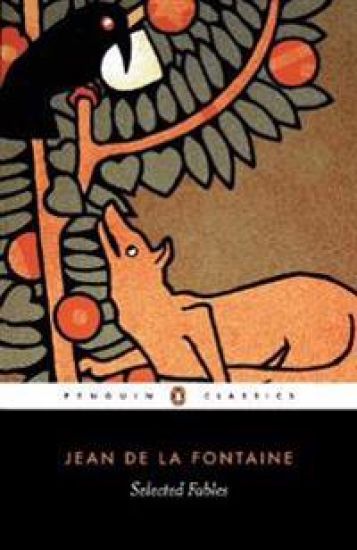
Jean de la Fontaine (1621-95) freely plundered the works of Aesop, Phaedrus, Bidpai and others to transform the world's great fables into charming poems of astonishing originality, wit and verve. Here he depicts lions, frogs, donkeys, rats, insects, birds and wily foxes in situations that reveal the quirks, follies and frailties he observed in humankind. Sins of pride, greed and vanity come under humorous attack - a cunning fox tricks a crow out of his dinner, an arrogant hare loses a race to a steady tortoise, a merry cicada who sings all summer finds herself hungry in winter, and the goddess Juno scolds a peacock who covets a nightingale's song. But faith in human nature can also be found in poems such as those in which a wolf is saved from choking by a helpful stork, demonstrating an engaging belief in the possibilities of redemption.