Kirjojen hintavertailu – 12 859 819 kirjaa ja 27 kauppaa

Kirjailija

Jean-François Drolet

Kirjat ja teokset yhdessä paikassa: 7 kirjaa, julkaisuja vuosilta 2011–2024, suosituimpiin kuuluu American Neoconservatism. Vertaile teosten hintoja ja tarkista saatavuus suomalaisista kirjakaupoista.

Nimi esiintyy myös muodoissa: Jean-Francois Drolet

7 kirjaa

Kirjojen julkaisuvuodet: 2011–2024.

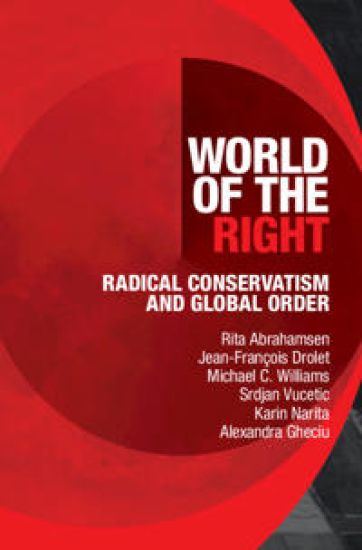
World of the Right

World of the Right

Rita Abrahamsen; Jean-François Drolet; Michael C. Williams; Srdjan Vucetic; Karin Narita; Alexandra Gheciu

Cambridge University Press
2024
pokkari

Halvin toimitettuna 31,70 €

The contemporary radical Right is not merely a series of nationalist projects but a global phenomenon. This book shows how radical conservative thinkers have developed long-term counter-hegemonic strategies that challenge prevailing social and political orders both nationally and internationally. At the heart of this ideological project is a critique of liberal globalisation that seeks to mobilise transversal alliances against a common enemy: the 'New Class' of global managerial elites who are accused of undermining national sovereignty, traditional values, and cultures. 'World of the Right' argues that while the radical Right is far from a unified political movement, its calls for sovereignty, civilisational orders, and multipolarity enable complex, strategic convergences with illiberal states such as China and Russia, as well as states and people in the Global South. The potential consequences for the future of the liberal world order are profound and wide-ranging.
World of the Right

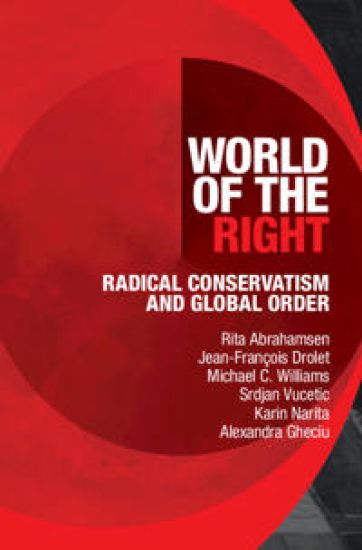
World of the Right

Rita Abrahamsen; Jean-François Drolet; Michael C. Williams; Srdjan Vucetic; Karin Narita; Alexandra Gheciu

Cambridge University Press
2024
sidottu
The contemporary radical Right is not merely a series of nationalist projects but a global phenomenon. This book shows how radical conservative thinkers have developed long-term counter-hegemonic strategies that challenge prevailing social and political orders both nationally and internationally. At the heart of this ideological project is a critique of liberal globalisation that seeks to mobilise transversal alliances against a common enemy: the 'New Class' of global managerial elites who are accused of undermining national sovereignty, traditional values, and cultures. 'World of the Right' argues that while the radical Right is far from a unified political movement, its calls for sovereignty, civilisational orders, and multipolarity enable complex, strategic convergences with illiberal states such as China and Russia, as well as states and people in the Global South. The potential consequences for the future of the liberal world order are profound and wide-ranging.

Beyond Tragedy and Eternal Peace

Beyond Tragedy and Eternal Peace

Jean-François Drolet

McGill-Queen's University Press
2021
sidottu
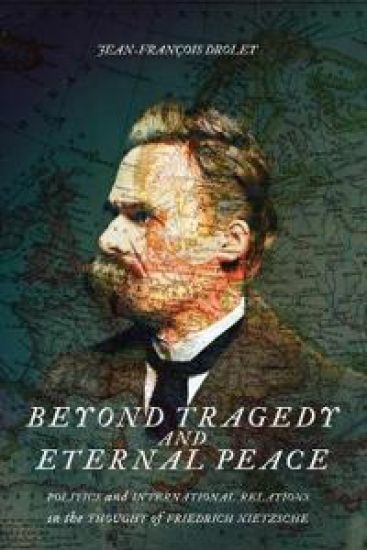
As a German philosopher, cultural critic, composer, poet, philologist, and scholar of Latin and Greek, Friedrich Wilhelm Nietzsche has exerted a profound influence on modern intellectual history. Beyond Tragedy and Eternal Peace provides an overview of his legacy, highlighting the synergy between his critique of metaphysics and his reflections on the politics and international relations of the late nineteenth century. Jean-François Drolet exposes and analyzes Nietzsche's account of the political processes, institutions, and dominant ideologies shaping public life in Germany and Europe during the 1870s and 1880s. Nietzsche anticipated a new kind of politics, borne out of such events as the Franco-Prussian War, the unification of Germany under Bismarck, the advent of mass democracy, and the rise and transformation of European nationalism. Focusing on conflict and political violence, Drolet expertly reconstructs Nietzsche's fierce and continued critique of the nationalist, liberal, and socialist ideologies of his age, which the philosopher believed failed to grapple with the death of God and the crisis of European nihilism it engendered. As this reconstructive interpretation reveals, Nietzsche's philosophy offers a powerful and still greatly underappreciated reckoning with the changing political practices, norms, and agencies that led to the momentous collapse of the European society of states during the early twentieth century.
Beyond Tragedy and Eternal Peace

Beyond Tragedy and Eternal Peace

Jean-François Drolet

McGill-Queen's University Press
2021
nidottu
As a German philosopher, cultural critic, composer, poet, philologist, and scholar of Latin and Greek, Friedrich Wilhelm Nietzsche has exerted a profound influence on modern intellectual history. Beyond Tragedy and Eternal Peace provides an overview of his legacy, highlighting the synergy between his critique of metaphysics and his reflections on the politics and international relations of the late nineteenth century. Jean-François Drolet exposes and analyzes Nietzsche's account of the political processes, institutions, and dominant ideologies shaping public life in Germany and Europe during the 1870s and 1880s. Nietzsche anticipated a new kind of politics, borne out of such events as the Franco-Prussian War, the unification of Germany under Bismarck, the advent of mass democracy, and the rise and transformation of European nationalism. Focusing on conflict and political violence, Drolet expertly reconstructs Nietzsche's fierce and continued critique of the nationalist, liberal, and socialist ideologies of his age, which the philosopher believed failed to grapple with the death of God and the crisis of European nihilism it engendered. As this reconstructive interpretation reveals, Nietzsche's philosophy offers a powerful and still greatly underappreciated reckoning with the changing political practices, norms, and agencies that led to the momentous collapse of the European society of states during the early twentieth century.
American Neoconservatism: The Politics and Culture of a Reactionary Idealism
American Neoconservatism moves beyond recent debates over the intricacies of the Bush administration's foreign policy to offer a deeper look at the philosophical premises of this 'new' conservatism in light of the historical events and changing social compacts that have created a demand for it over the past decades. It surveys neoconservative discourses on democracy, the liberal state, capitalism, national security, international law and global liberal governance, and draws attention to the systematic links between the domestic and international dimensions of neoconservative political sociology. Taking issue with neoconservatism's self-image, Drolet argues and demonstrates that American neoconservatism is not the centrist 'liberal' conservatism that it pretends to be--and that many analysts have diagnosed in recent years. To the extent that neoconservatism is committed to the Enlightenment discourse of liberalism, these commitments are firmly subordinated to an authoritarian form of cultural and philosophical conservatism, which is in fact ferociously predatory on liberal values and practices. Neoconservatism is not a conservative variant of liberalism but a deeply atavistic reaction to liberal modernity. It owes a lot more to the authoritarian intellectual milieu of interwar Europe than to the liberal tradition that its protagonists allegedly want to reform and protect against its enemies.
American Neoconservatism

American Neoconservatism

Jean-Francois Drolet

C Hurst Co Publishers Ltd
2011
nidottu
In this book, Jean-Francois Drolet contributes to a critical engagement with American neoconservatism at the level of its intellectual foundations. Situated at the interface of the disciplines of International Relations, political theory and the history of ideas, the book moves beyond recent debates over the intricacies of the Bush administration's foreign policy to offer a deeper look at the philosophical premises of this 'new' conservatism in light of the historical events and changing social compacts that have created a demand for it over the past decades. It surveys neoconservative discourses on a wide range of issue areas such as democracy, the liberal state, capitalism, national security, international law and global liberal governance, and draws attention to the systematic links between the domestic and international dimensions of neoconservative political sociology. Taking issue with its self-image, Drolet argues and demonstrates that American neoconservatism is not the centrist 'liberal' conservatism that it pretends to be - and that many analysts have diagnosed in recent years. To the extent neoconservatism is committed to the Enlightenment discourse of liberalism, these commitments are firmly subordinated to an authoritarian form of cultural and philosophical conservatism, which is in fact ferociously predatory on liberal values and practices. Neoconservatism is not a conservative variant of liberalism but a deeply atavistic reaction to liberal modernity. It owes a lot more to the authoritarian intellectual milieu of interwar Europe than to the liberal tradition that its protagonists allegedly want to reform and protect against its enemies.
American Neoconservatism: The Politics and Culture of a Reactionary Idealism
American Neoconservatism moves beyond recent debates over the intricacies of the Bush administration's foreign policy to offer a deeper look at the philosophical premises of this 'new' conservatism in light of the historical events and changing social compacts that have created a demand for it over the past decades. It surveys neoconservative discourses on democracy, the liberal state, capitalism, national security, international law and global liberal governance, and draws attention to the systematic links between the domestic and international dimensions of neoconservative political sociology. Taking issue with neoconservatism's self-image, Drolet argues and demonstrates that American neoconservatism is not the centrist 'liberal' conservatism that it pretends to be--and that many analysts have diagnosed in recent years. To the extent that neoconservatism is committed to the Enlightenment discourse of liberalism, these commitments are firmly subordinated to an authoritarian form of cultural and philosophical conservatism, which is in fact ferociously predatory on liberal values and practices. Neoconservatism is not a conservative variant of liberalism but a deeply atavistic reaction to liberal modernity. It owes a lot more to the authoritarian intellectual milieu of interwar Europe than to the liberal tradition that its protagonists allegedly want to reform and protect against its enemies.