Kirjojen hintavertailu – 12 903 724 kirjaa ja 27 kauppaa

Kirjailija

Jean Jacques Weber

Kirjat ja teokset yhdessä paikassa: 10 kirjaa, julkaisuja vuosilta 1992–2017, suosituimpiin kuuluu Critical Analysis of Fiction. Vertaile teosten hintoja ja tarkista saatavuus suomalaisista kirjakaupoista.

Nimi esiintyy myös muodoissa: Jean-Jacques Weber

10 kirjaa

Kirjojen julkaisuvuodet: 1992–2017.

Introducing Multilingualism

Introducing Multilingualism

Kristine Horner; Jean Jacques Weber

Routledge
2017
sidottu
Introducing Multilingualism is a comprehensive and user-friendly introduction to the dynamic field of multilingualism. Adopting a compelling social and critical approach and covering important social and educational issues, the authors expertly guide readers through the established theories, leading them to question dominant discourses on subjects such as integration, heritage and language testing. This second edition has been fully revised and updated, featuring new chapters on multilingualism in new media, the workplace and the family. Other key topics include: language as a social construct language contact and variation language and identity the differences between individual and societal multilingualism translanguaging flexible multilingual education. With a wide range of engaging activities and quizzes and a comprehensive selection of case studies from around the world, this is essential reading for undergraduate students and postgraduate students new to studying multilingualism.
Introducing Multilingualism

Introducing Multilingualism

Kristine Horner; Jean Jacques Weber

Routledge
2017
nidottu
Introducing Multilingualism is a comprehensive and user-friendly introduction to the dynamic field of multilingualism. Adopting a compelling social and critical approach and covering important social and educational issues, the authors expertly guide readers through the established theories, leading them to question dominant discourses on subjects such as integration, heritage and language testing. This second edition has been fully revised and updated, featuring new chapters on multilingualism in new media, the workplace and the family. Other key topics include: language as a social construct language contact and variation language and identity the differences between individual and societal multilingualism translanguaging flexible multilingual education. With a wide range of engaging activities and quizzes and a comprehensive selection of case studies from around the world, this is essential reading for undergraduate students and postgraduate students new to studying multilingualism.
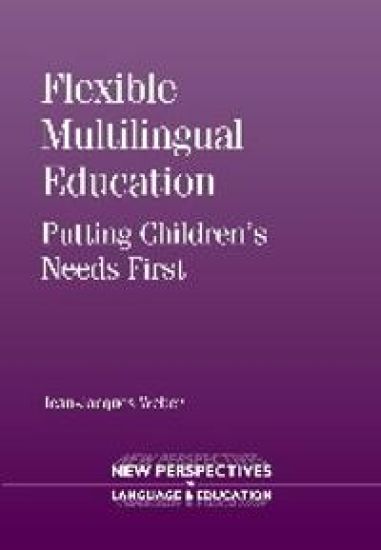
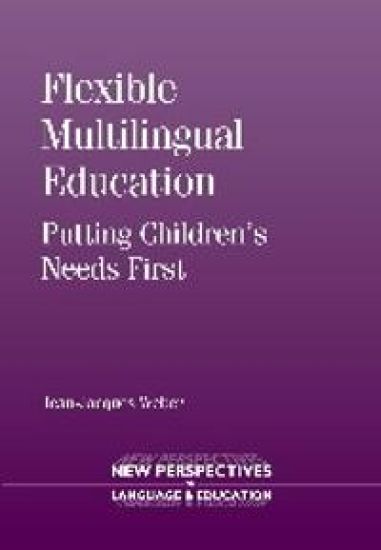
Flexible Multilingual Education

Flexible Multilingual Education

Jean-Jacques Weber

Multilingual Matters
2014
sidottu
This book examines the benefits of multilingual education that puts children’s needs and interests above the individual languages involved. It advocates flexible multilingual education, which builds upon children’s actual home resources and provides access to both the local and global languages that students need for their educational and professional success. It argues that, as more and more children grow up multilingually in our globalised world, there is a need for more nuanced multilingual solutions in language-in-education policies. The case studies reveal that flexible multilingual education – rather than mother tongue education – is the most promising way of moving towards the elusive goal of educational equity in today’s world of globalisation, migration and superdiversity.
Flexible Multilingual Education

Flexible Multilingual Education

Jean-Jacques Weber

Multilingual Matters
2014
nidottu
This book examines the benefits of multilingual education that puts children’s needs and interests above the individual languages involved. It advocates flexible multilingual education, which builds upon children’s actual home resources and provides access to both the local and global languages that students need for their educational and professional success. It argues that, as more and more children grow up multilingually in our globalised world, there is a need for more nuanced multilingual solutions in language-in-education policies. The case studies reveal that flexible multilingual education – rather than mother tongue education – is the most promising way of moving towards the elusive goal of educational equity in today’s world of globalisation, migration and superdiversity.
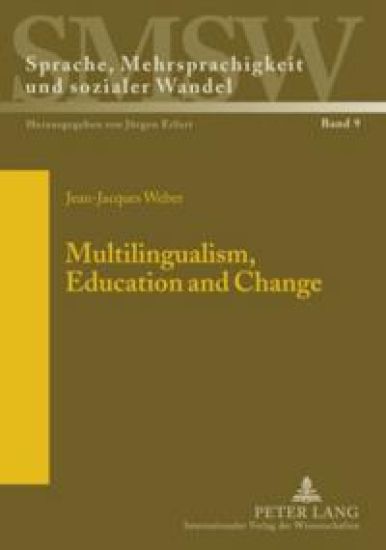
Multilingualism, Education and Change

Multilingualism, Education and Change

Jean-Jacques Weber

Peter Lang AG
2008
nidottu
This is a book about language and education in one of the smallest European Union member-states, Luxembourg. It presents the results of an ethnographic study of code-switching and language ideologies among transnational, luso-descendant youngsters attending a number of youth centres in Luxembourg city. It offers a comprehensive description of the processes of construction and negotiation of new, emergent identities and ethnicities. The author considers the implications of these results for language-in-education policy, including the EU policy of multilingualism. He criticizes mother-tongue education and advocates instead the use of «literacy bridges». Clearly argued and widely applicable, this book is essential reading for students and researchers interested in multilingualism, migration and education.
The Literature Workbook

The Literature Workbook

Clara Calvo; Jean Jacques Weber

Routledge
1998
sidottu
The Literature Workbook is a practical introductory textbook for literary studies, which can be used either for independent study or as part of a taught class. Laying the ground for further study, The Literature Workbook introduces the beginning student to the essential analytic and interpretative skills that are needed for literary appreciation and evaluation. It also equips the teacher with practical tools and materials for use in seminars or when setting written assessments and projects. Arranged according to genre and chronology, the chapters acquaint the reader with a range of key figures in English literaure and encourage the reader to think about them in their historical and cultural contexts. Adopting a user-friendly case-study approach, each chapter contains * exercises and activities * discussion hints * project work * suggestions for further reading The Workbook also includes: * a glossary * a subject and name index.
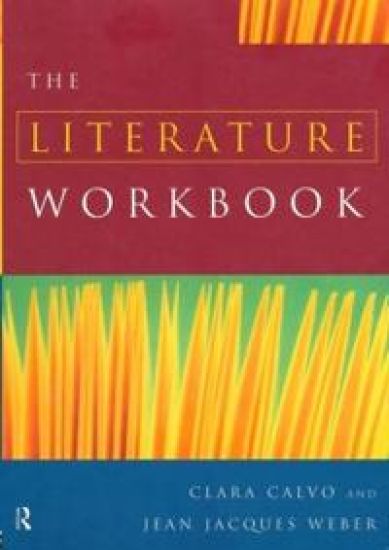
The Literature Workbook

The Literature Workbook

Clara Calvo; Jean Jacques Weber

Routledge
1998
nidottu
The Literature Workbook is a practical introductory textbook for literary studies, which can be used either for independent study or as part of a taught class. Laying the ground for further study, The Literature Workbook introduces the beginning student to the essential analytic and interpretative skills that are needed for literary appreciation and evaluation. It also equips the teacher with practical tools and materials for use in seminars or when setting written assessments and projects. Arranged according to genre and chronology, the chapters acquaint the reader with a range of key figures in English literaure and encourage the reader to think about them in their historical and cultural contexts. Adopting a user-friendly case-study approach, each chapter contains * exercises and activities * discussion hints * project work * suggestions for further reading The Workbook also includes: * a glossary * a subject and name index.
Twentieth-Century Fiction

Twentieth-Century Fiction

Peter Verdonk; Jean Jacques Weber

Routledge
1995
sidottu
By applying recent trends in literary and language theory to a range of 20th Century fiction, the contributors to this text make new theoretical insights available to student readers. The analytical and interpretive strategies examined in this book are not intended to be prescriptive, rather they are presented in such a way as to facilitate critical reading and evaluation. The essays, which are arranged into three groups and which focus on the textual level, narrative and context, look at a wide range of Twentieth Century authors including Fowles, Foster, Lessing and Woolf. In addition, this student-friendly text includes a detailed subject index, a full glossary and helpful suggestions for further reading. Aimed at beginning students of English Language and Literature and Applied Linguistics, and advanced students of English as a Foreign or Second Language, 20th Century Fiction provides an essential introduction to the subject which is both sensitive and enabling.
Twentieth-Century Fiction

Twentieth-Century Fiction

Peter Verdonk; Jean Jacques Weber

Routledge
1995
nidottu
By applying recent trends in literary and language theory to a range of 20th Century fiction, the contributors to this text make new theoretical insights available to student readers. The analytical and interpretive strategies examined in this book are not intended to be prescriptive, rather they are presented in such a way as to facilitate critical reading and evaluation. The essays, which are arranged into three groups and which focus on the textual level, narrative and context, look at a wide range of Twentieth Century authors including Fowles, Foster, Lessing and Woolf. In addition, this student-friendly text includes a detailed subject index, a full glossary and helpful suggestions for further reading. Aimed at beginning students of English Language and Literature and Applied Linguistics, and advanced students of English as a Foreign or Second Language, 20th Century Fiction provides an essential introduction to the subject which is both sensitive and enabling.