Kirjojen hintavertailu – 12 859 819 kirjaa ja 27 kauppaa

Kirjailija

Jean-Louis Laville

Kirjat ja teokset yhdessä paikassa: 4 kirjaa, julkaisuja vuosilta 2010–2023, suosituimpiin kuuluu The Solidarity Economy. Vertaile teosten hintoja ja tarkista saatavuus suomalaisista kirjakaupoista.

4 kirjaa

Kirjojen julkaisuvuodet: 2010–2023.

The Solidarity Economy

The Solidarity Economy

Jean-Louis Laville

UNIVERSITY OF MINNESOTA PRESS
2023
nidottu

Halvin toimitettuna 33,40 €

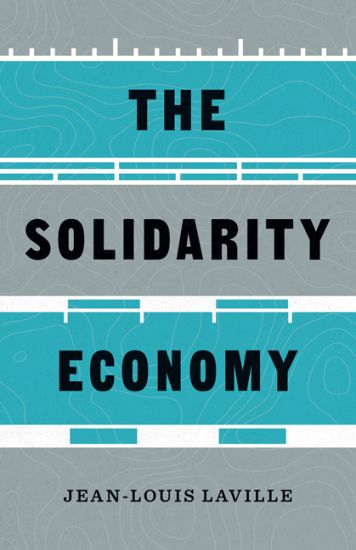
Questioning the boundaries between politics and economics Jean-Louis Laville’s large body of work has focused on an intellectual history of the concept of solidarity since the Industrial Revolution. In The Solidarity Economy, his most famous distillation of this work, Laville establishes how the formations of economic solidarities (unions, activism, and other forms of associationalism) reveal that the boundaries between politics and economics are porous and structured such that politics, ideally a pure expression of ethics and values, is instead integrated with economic concerns. Exploring the possibilities and long histories of association, The Solidarity Economy identifies the power of contemporary social and solidarity movements and examines the history of postcapitalist practices in which democratic demands invade the heart of the economy. The Solidarity Economy ranges in focus from workers associations in France dating back to the nineteenth century, to associations of African Americans and feminists in the United States in the late nineteenth and early twentieth centuries, to a Brazilian landless-worker coalition in the twentieth century. Studying solidarity associations over time allows us to examine how we can recombine the economic and political spheres to address dependencies and inequalities. Ultimately, The Solidarity Economy has global scope and inspiring examples of associations that deepen democracy.
The Solidarity Economy

The Solidarity Economy

Jean-Louis Laville

UNIVERSITY OF MINNESOTA PRESS
2023
sidottu
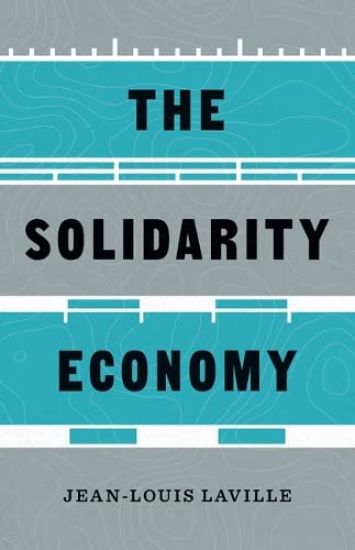
Questioning the boundaries between politics and economics Jean-Louis Laville’s large body of work has focused on an intellectual history of the concept of solidarity since the Industrial Revolution. In The Solidarity Economy, his most famous distillation of this work, Laville establishes how the formations of economic solidarities (unions, activism, and other forms of associationalism) reveal that the boundaries between politics and economics are porous and structured such that politics, ideally a pure expression of ethics and values, is instead integrated with economic concerns. Exploring the possibilities and long histories of association, The Solidarity Economy identifies the power of contemporary social and solidarity movements and examines the history of postcapitalist practices in which democratic demands invade the heart of the economy. The Solidarity Economy ranges in focus from workers associations in France dating back to the nineteenth century, to associations of African Americans and feminists in the United States in the late nineteenth and early twentieth centuries, to a Brazilian landless-worker coalition in the twentieth century. Studying solidarity associations over time allows us to examine how we can recombine the economic and political spheres to address dependencies and inequalities. Ultimately, The Solidarity Economy has global scope and inspiring examples of associations that deepen democracy.
The Human Economy

The Human Economy

Keith Hart; Jean-Louis Laville; Antonio David Cattani

Polity Press
2010
sidottu
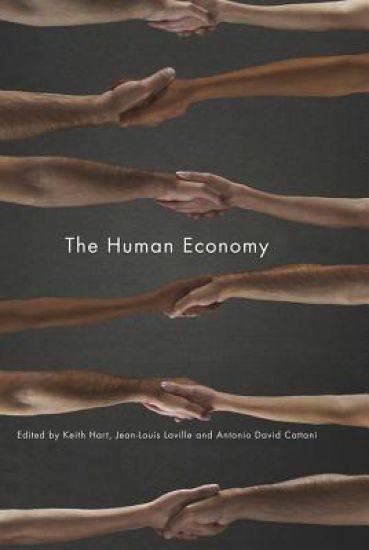
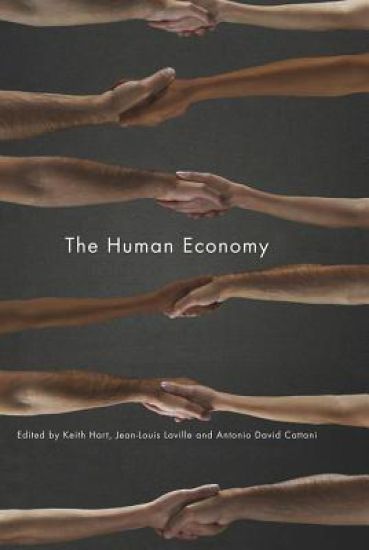
The global financial crisis has renewed concern about whether capitalist markets are the best way of organizing economic life. Would it not be better if we were to treat the economy as something made and remade by people themselves, rather than as an impersonal machine? The object of a human economy is the reproduction of human beings and of whatever sustains life in general. Such an economy would express human variety in its local particulars as well as the interests of all humanity. The editors have assembled here a citizen’s guide to building a human economy. This project is not a dream but is part of a collective effort that began a decade ago at the first World Social Forum in Porto Alegre, Brazil, and has gathered pace ever since. Over thirty original essays address topics that range from globalization, community participation and microcredit to corporate social responsibility and alternative energy. Each offers a critical guide to further reading. The Human Economy builds on decades of engaged research to bring a new economic vision to general readers and a comprehensive guide for all students of the contemporary world.
The Human Economy

The Human Economy

Keith Hart; Jean-Louis Laville; Antonio David Cattani

Polity Press
2010
nidottu
The global financial crisis has renewed concern about whether capitalist markets are the best way of organizing economic life. Would it not be better if we were to treat the economy as something made and remade by people themselves, rather than as an impersonal machine? The object of a human economy is the reproduction of human beings and of whatever sustains life in general. Such an economy would express human variety in its local particulars as well as the interests of all humanity. The editors have assembled here a citizen’s guide to building a human economy. This project is not a dream but is part of a collective effort that began a decade ago at the first World Social Forum in Porto Alegre, Brazil, and has gathered pace ever since. Over thirty original essays address topics that range from globalization, community participation and microcredit to corporate social responsibility and alternative energy. Each offers a critical guide to further reading. The Human Economy builds on decades of engaged research to bring a new economic vision to general readers and a comprehensive guide for all students of the contemporary world.