Kirjojen hintavertailu – 12 903 725 kirjaa ja 27 kauppaa

Kirjailija

Jean-Loup Samaan

Kirjat ja teokset yhdessä paikassa: 15 kirjaa, julkaisuja vuosilta 2014–2026, suosituimpiin kuuluu Iron Dome. Vertaile teosten hintoja ja tarkista saatavuus suomalaisista kirjakaupoista.

15 kirjaa

Kirjojen julkaisuvuodet: 2014–2026.

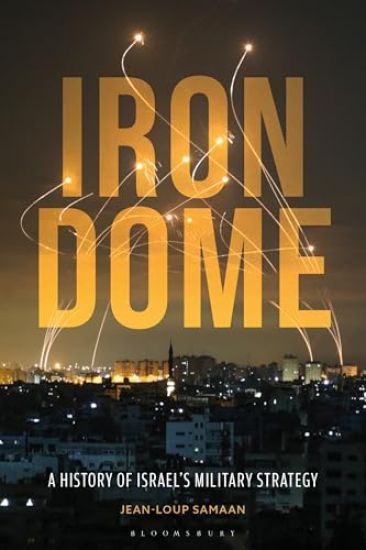
Iron Dome

Iron Dome

Jean-Loup Samaan

BLOOMSBURY PUBLISHING PLC
2026
sidottu
IRON DOME tells the remarkable story of how a single military system, designed to protect against rockets, reshaped Israel’s politics and strategy. Conceived against the resistance from many, and developed at extraordinary speed, Iron Dome eventually became one of the most iconic symbols of modern warfare. Drawing on extensive fieldwork and interviews with Israeli and American decision-makers, Jean-Loup Samaan traces the rise of Iron Dome against the backdrop of Israel’s wars with Hamas and Hezbollah. The new system enabled Israel’s governments to assuage the fears of its population amid the flow of rockets targeting its cities. However, the book shows that the story of Iron Dome is more than a tale of technological prowess: it reveals key insights into the evolving conflict between Israel and the Palestinians since the Hamas takeover of the Gaza Strip in 2007, the struggle within the Israeli Defense Forces to adapt its strategy, and the way missile defense is shaping the future of Israel-US military cooperation. It also offers a compelling study of the core tensions of modern warfare, from the dilemma between offense and defense to the uneasy marriage of strategy and technology.
Iron Dome

Iron Dome

Jean-Loup Samaan

BLOOMSBURY PUBLISHING PLC
2026
nidottu
IRON DOME tells the remarkable story of how a single military system, designed to protect against rockets, reshaped Israel’s politics and strategy. Conceived against the resistance from many, and developed at extraordinary speed, Iron Dome eventually became one of the most iconic symbols of modern warfare. Drawing on extensive fieldwork and interviews with Israeli and American decision-makers, Jean-Loup Samaan traces the rise of Iron Dome against the backdrop of Israel’s wars with Hamas and Hezbollah. The new system enabled Israel’s governments to assuage the fears of its population amid the flow of rockets targeting its cities. However, the book shows that the story of Iron Dome is more than a tale of technological prowess: it reveals key insights into the evolving conflict between Israel and the Palestinians since the Hamas takeover of the Gaza Strip in 2007, the struggle within the Israeli Defense Forces to adapt its strategy, and the way missile defense is shaping the future of Israel-US military cooperation. It also offers a compelling study of the core tensions of modern warfare, from the dilemma between offense and defense to the uneasy marriage of strategy and technology.
New Military Strategies in the Gulf

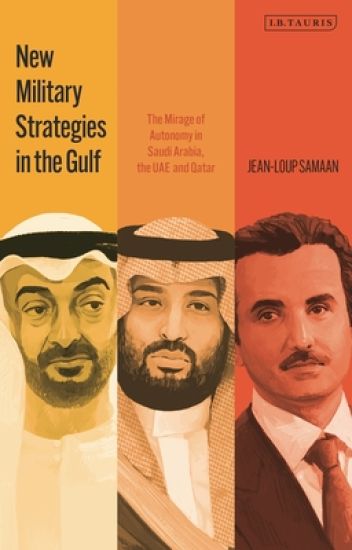
New Military Strategies in the Gulf

Jean-Loup Samaan

BLOOMSBURY PUBLISHING PLC
2023
sidottu
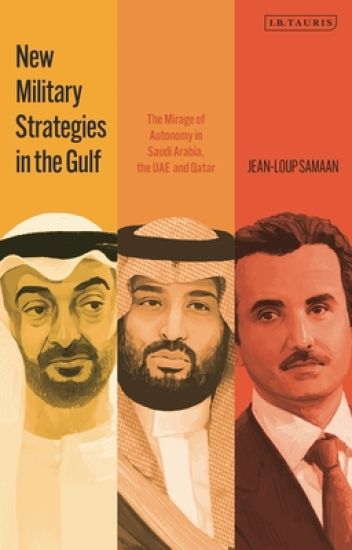
In the last decade, rulers in Gulf regimes have aspired to greater strategic autonomy and distance from the West. Coined the "Gulf moment" by local commentators, this regional trend reflects a redistribution of power in the Arab world. This is the first book to examine the military dimensions of these shifts. Gulf military strategy has prioritised the improvement of local armed forces and the diversification of defence partnerships towards countries such as Russia, Turkey or China. However, this book shows how this has led to the militarisation of Gulf societies, the further erosion of multilateral initiatives - including the Gulf Cooperation Council - and the Gulf's perilous involvement in the war in Yemen. The book also highlights enduring reliance on the West. Each chapter covers a key aspect of defence policy from governance of armed forces, military education and power projection capabilities to regional security cooperation and lessons from warfighting experiences. Close attention is paid to Saudi Arabia, the United Arab Emirates and Qatar, countries that have enjoyed prominent roles in the region’s security affairs during the last ten years. The research is based on extensive fieldwork and interviews with major decision-makers, officials, and diplomatic and military representatives. It is also uses recently declassified official documents to gain rare insight into what Gulf countries intend for their defence policies.
New Military Strategies in the Gulf

New Military Strategies in the Gulf

Jean-Loup Samaan

BLOOMSBURY PUBLISHING PLC
2023
nidottu
In the last decade, rulers in Gulf regimes have aspired to greater strategic autonomy and distance from the West. Coined the "Gulf moment" by local commentators, this regional trend reflects a redistribution of power in the Arab world. This is the first book to examine the military dimensions of these shifts. Gulf military strategy has prioritised the improvement of local armed forces and the diversification of defence partnerships towards countries such as Russia, Turkey or China. However, this book shows how this has led to the militarisation of Gulf societies, the further erosion of multilateral initiatives - including the Gulf Cooperation Council - and the Gulf's perilous involvement in the war in Yemen. The book also highlights enduring reliance on the West. Each chapter covers a key aspect of defence policy from governance of armed forces, military education and power projection capabilities to regional security cooperation and lessons from warfighting experiences. Close attention is paid to Saudi Arabia, the United Arab Emirates and Qatar, countries that have enjoyed prominent roles in the region’s security affairs during the last ten years. The research is based on extensive fieldwork and interviews with major decision-makers, officials, and diplomatic and military representatives. It is also uses recently declassified official documents to gain rare insight into what Gulf countries intend for their defence policies.
The Indian Ocean as a New Political and Security Region

The Indian Ocean as a New Political and Security Region

Frédéric Grare; Jean-Loup Samaan

Springer Nature Switzerland AG
2023
nidottu
This book analyses the emergence of the Indian Ocean as security complex and a strategic space of central importance and also looks at its prospective future. As well as US-China rivalry, the India-China rivalry is now the defining factor in the Indian Ocean – irrespective of the strategic asymmetry. This new situation has opened a space for middle-powers, old and new, to intervene. The authors argue that this situation may turn into an additional source of instability and that the creation of an inclusive and comprehensive regional security architecture, as well as the strengthening of regional multilateralism, should be the priority of all stakeholders in the coming decade.
The Indian Ocean as a New Political and Security Region

The Indian Ocean as a New Political and Security Region

Frédéric Grare; Jean-Loup Samaan

Springer Nature Switzerland AG
2022
sidottu
This book analyses the emergence of the Indian Ocean as security complex and a strategic space of central importance and also looks at its prospective future. As well as US-China rivalry, the India-China rivalry is now the defining factor in the Indian Ocean – irrespective of the strategic asymmetry. This new situation has opened a space for middle-powers, old and new, to intervene. The authors argue that this situation may turn into an additional source of instability and that the creation of an inclusive and comprehensive regional security architecture, as well as the strengthening of regional multilateralism, should be the priority of all stakeholders in the coming decade.
Israel’s Foreign Policy Beyond the Arab World
For over 60 years, Israel’s foreign policy establishment has looked at its regional policy through the lens of a geopolitical concept named "the periphery doctrine." The idea posited that due to the fundamental hostility of neighboring Arab countries, Israel ought to counterbalance this threat by engaging with the "periphery" of the Arab world through clandestine diplomacy. Based on original research in the Israeli diplomatic archives and interviews with key past and present decision-makers, this book shows that this concept of a periphery was, and remains, a core driver of Israel’s foreign policy. The periphery was borne out of the debates among Zionist circles concerning the geopolitics of the nascent Israeli State. The evidence from Israel’s contemporary policies shows that these principles survived the historical relationships with some countries (Iran, Turkey, Ethiopia) and were emulated in other cases: Azerbaijan, Greece, South Sudan, and even to a certain extent in the attempted exchanges by Israel with Gulf Arab kingdoms. The book enables readers to understand Israel’s pessimistic – or realist, in the traditional sense – philosophy when it comes to the conduct of foreign policy. The history of the periphery doctrine sheds light on fundamental issues, such as Israel’s role in the regional security system, its overreliance on military and intelligence cooperation as tools of diplomacy, and finally its enduring perception of inextricable isolation. Through a detailed appraisal of Israel’s periphery doctrine from its birth in the fifties until its contemporary renaissance, this book offers a new perspective on Israel’s foreign policy, and will appeal to students and scholars of Middle East Politics and History, and International Relations.
Strategic Hedging in the Arab Peninsula
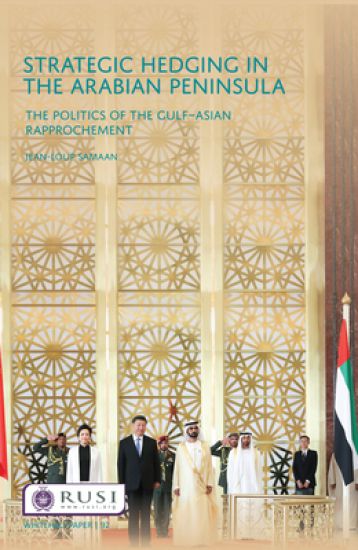
Strategic Hedging in the Arab Peninsula: The Politics of the Gulf-Asian Rapprochement offers a new perspective on the geopolitics of Gulf-Asian relations. Jean-Loup Samaan explores the dynamics underpinning the evolution of strategic partnerships between the Gulf States and Asian partners. He looks at how Gulf countries have pursued a diversification strategy in response to the risk of a potential retreat from the region on the part of traditional partners such as the US, and argues that, rather than being the result of a deliberate common policy on the part of the Gulf States, this trend derives from unilateral choices by Gulf leaders, best explained by the concept of ‘strategic hedging’.
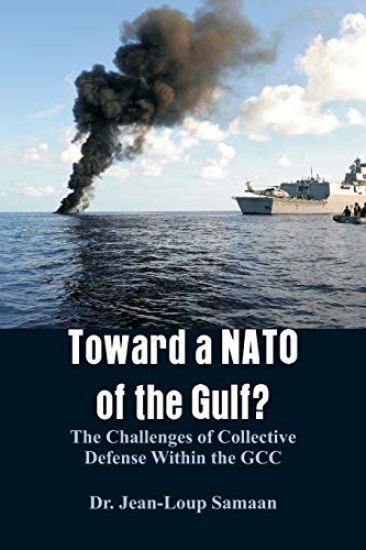
Toward a NATO of the Gulf?

Toward a NATO of the Gulf?

Jean-Loup Samaan

Alpha Edition
2018
pokkari
Since the Arab revolutions started in early 2011, the Gulf countries have raised the level of their strategic ambitions. In various cases, countries of the Gulf Cooperation Council (GCC) flexed their diplomatic muscles, Qatar and Saudi Arabia being at the forefront on the Syrian file, and demonstrated military resolve via the interventions in Bahrain (2011), Libya (2011), and Yemen (2015). With traditional Arab powers like Egypt coping with post-revolution internal troubles, Gulf kingdoms seem now to be the major players in the arena of the Arab League. This shift in Arab geopolitics led observers to refer to this era as the so-called Gulf moment. Additionally, the 2017 political crisis between Qatar and three of the GCC members (Saudi Arabia, the United Arab Emirates, and Bahrain) obviously reminds us the need for a cautious evaluation of the prospects of collective security in the Gulf. This monograph looks at the security environment and the operational requirements for the GCC. In other words, it aims to discuss the practical steps required to turn the Council into an effective collective defense organization.
Israel’s Foreign Policy Beyond the Arab World
For over 60 years, Israel’s foreign policy establishment has looked at its regional policy through the lens of a geopolitical concept named "the periphery doctrine." The idea posited that due to the fundamental hostility of neighboring Arab countries, Israel ought to counterbalance this threat by engaging with the "periphery" of the Arab world through clandestine diplomacy. Based on original research in the Israeli diplomatic archives and interviews with key past and present decision-makers, this book shows that this concept of a periphery was, and remains, a core driver of Israel’s foreign policy. The periphery was borne out of the debates among Zionist circles concerning the geopolitics of the nascent Israeli State. The evidence from Israel’s contemporary policies shows that these principles survived the historical relationships with some countries (Iran, Turkey, Ethiopia) and were emulated in other cases: Azerbaijan, Greece, South Sudan, and even to a certain extent in the attempted exchanges by Israel with Gulf Arab kingdoms. The book enables readers to understand Israel’s pessimistic – or realist, in the traditional sense – philosophy when it comes to the conduct of foreign policy. The history of the periphery doctrine sheds light on fundamental issues, such as Israel’s role in the regional security system, its overreliance on military and intelligence cooperation as tools of diplomacy, and finally its enduring perception of inextricable isolation. Through a detailed appraisal of Israel’s periphery doctrine from its birth in the fifties until its contemporary renaissance, this book offers a new perspective on Israel’s foreign policy, and will appeal to students and scholars of Middle East Politics and History, and International Relations.
The East Mediterranean Triangle at Crossroads

The East Mediterranean Triangle at Crossroads

Jean-Loup Samaan; Strategic Studies Institute (SSI)

Lulu.com
2016
nidottu
For years, the Israel-Turkey partnership was believed to be an anchor of stability in the troubled Middle East. For the United States the two regional players were supposed to pave the way to a regional system, but the collapse of their bilateral relation over the last years has put an end to these expectations. As a result of this crisis between Ankara and Jerusalem, the competition in the East Mediterranean region evolved significantly. Whereas Turkey increased its inflammatory rhetoric against Israel, the latter counterbalanced Turkey's position by strengthening ties with two rivals of Ankara: Greece and Cyprus. As Jean-Loup Samaan explains in this Letort Paper, these power plays have major ramifications. The perilous zero-sum game which is taking place in the Mediterranean impacts bilateral relations between all the stakeholders, not only at the military but at the economic level as well. It also jeopardizes the North Atlantic Treaty Organization (NATO) policies in the region...
Another Brick in the Wall: the Israeli Experience in Missile Defense

Another Brick in the Wall: the Israeli Experience in Missile Defense

Jean-Loup Samaan; Strategic Studies Institute; U.S. Army War College

Lulu.com
2015
nidottu
Over the last years, missile defense has resurfaced as a major feature of the strategic debate in the United States and among its close allies. In 2010, the North Atlantic Treaty Organization Summit of Heads of State saw intense discussions among transatlantic partners on the strategic value of missile defense alongside the traditional deterrence means of the Alliance. But if these transatlantic debates are for the most part still speculative, for many years, one close American ally has already faced the concrete and immediate challenge of defending its territory against missiles and rockets-Israel. As demonstrated during the last clashes between the Israeli Defense Forces and Palestinian factions (2012 and 2014), missile defense is now a pillar of Israel's strategic culture. Understanding this evolution demands an in-depth look at its political, military, and technical ramifications. That is the very purpose of this new monograph by Dr. Jean-Loup Samaan.
From War to Deterrence? Israel-Hezbollah Conflict Since 2006

From War to Deterrence? Israel-Hezbollah Conflict Since 2006

Jean-Loup Samaan; Strategic Studies Institute; U.S. Army War College

Lulu.com
2014
nidottu
The 2006 war between Israel and Hezbollah has generated a vast amount of academic and military studies, including a number from the Strategic Studies Institute. Specifically, authors have tried to identify the new patterns of warfare through this conflict and sometimes have even called it the first illustration of "hybrid war." This new monograph by Dr. Jean-Loup Samaan does not look at the war itself but rather at its aftermath, both in Israel and Lebanon. It starts from an obvious paradox: Despite the regional turmoil and the absence of a settlement between Israel and Hezbollah, stability has prevailed since 2006. While over the same time frame the Middle East has been experiencing one of its most unpredictable periods in the last decades, the border area between Israel and Lebanon has remained quiet. Dr. Samaan explains that this paradox can be understood through the use of deterrence theories.