Kirjojen hintavertailu – 12 903 725 kirjaa ja 27 kauppaa
Kirjailija
Jean-Luc Marion
Kirjat ja teokset yhdessä paikassa: 55 kirjaa, julkaisuja vuosilta 1993–2025, suosituimpiin kuuluu Das Erscheinen Des Unsichtbaren: Fragen Zur Phanomenalitat Der Offenbarung. Vertaile teosten hintoja ja tarkista saatavuus suomalaisista kirjakaupoista.
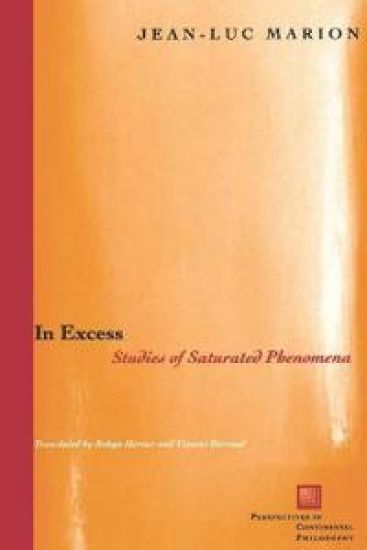
In the third book in the trilogy that includes Reduction and Givenness and Being Given. Marion renews his argument for a phenomenology of givenness, with penetrating analyses of the phenomena of event, idol, flesh, and icon. Turning explicitly to hermeneutical dimensions of the debate, Marion masterfully draws together issues emerging from his close reading of Descartes and Pascal, Husserl and Heidegger, Levinas and Henry. Concluding with a revised version of his response to Derrida, In the Name: How to Avoid Speaking of It, Marion powerfully re-articulates the theological possibilities of phenomenology.
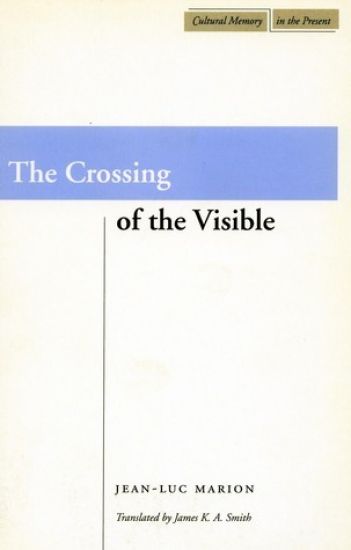
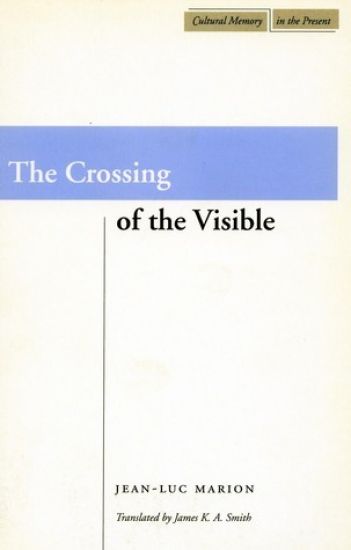
Painting, according to Jean-Luc Marion, is a central topic of concern for philosophy, particularly phenomenology. For the question of painting is, at its heart, a question of visibility—of appearance. As such, the painting is a privileged case of the phenomenon; the painting becomes an index for investigating the conditions of appearance—or what Marion describes as "phenomenality" in general. In The Crossing of the Visible, Marion takes up just such a project. The natural outgrowth of his earlier reflections on icons, these four studies carefully consider the history of painting—from classical to contemporary—as a fund for phenomenological reflection on the conditions of (in)visibility. Ranging across artists from Raphael to Rothko, Caravaggio to Pollock, The Crossing of the Visible offers both a critique of contemporary accounts of the visual and a constructive alternative. According to Marion, the proper response to the "nihilism" of postmodernity is not iconoclasm, but rather a radically iconic account of the visual and the arts that opens them to the invisible.
Painting, according to Jean-Luc Marion, is a central topic of concern for philosophy, particularly phenomenology. For the question of painting is, at its heart, a question of visibility—of appearance. As such, the painting is a privileged case of the phenomenon; the painting becomes an index for investigating the conditions of appearance—or what Marion describes as "phenomenality" in general. In The Crossing of the Visible, Marion takes up just such a project. The natural outgrowth of his earlier reflections on icons, these four studies carefully consider the history of painting—from classical to contemporary—as a fund for phenomenological reflection on the conditions of (in)visibility. Ranging across artists from Raphael to Rothko, Caravaggio to Pollock, The Crossing of the Visible offers both a critique of contemporary accounts of the visual and a constructive alternative. According to Marion, the proper response to the "nihilism" of postmodernity is not iconoclasm, but rather a radically iconic account of the visual and the arts that opens them to the invisible.
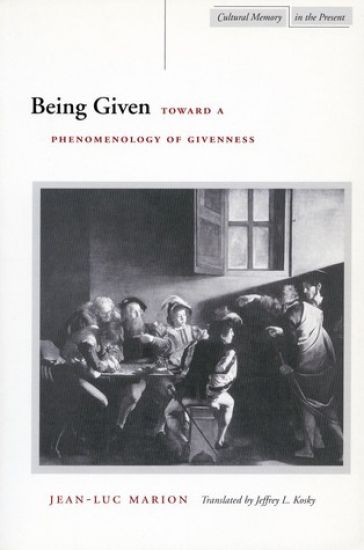
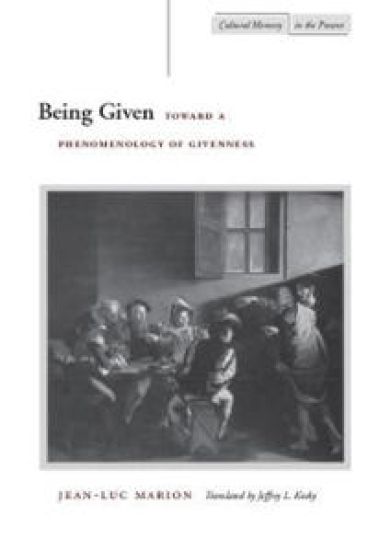
Along with Husserl's Ideas and Heidegger's Being and Time, Being Given is one of the classic works of phenomenology in the twentieth century. Through readings of Kant, Husserl, Heidegger, Derrida, and twentieth-century French phenomenology (e.g., Merleau-Ponty, Levinas, and Henry), it ventures a bold and decisive reappraisal of phenomenology and its possibilities. Its author's most original work to date, the book pushes phenomenology to its limits in an attempt to redefine and recover the phenomenological ideal, which the author argues has never been realized in any of the historical phenomenologies. Against Husserl's reduction to consciousness and Heidegger's reduction to Dasein, the author proposes a third reduction to givenness, wherein phenomena appear unconditionally and show themselves from themselves at their own initiative. Being Given is the clearest, most systematic response to questions that have occupied its author for the better part of two decades. The book articulates a powerful set of concepts that should provoke new research in philosophy, religion, and art, as well as at the intersection of these disciplines. Some of the significant issues it treats include the phenomenological definition of the phenomenon, the redefinition of the gift in terms not of economy but of givenness, the nature of saturated phenomena, and the question "Who comes after the subject?" Throughout his consideration of these issues, the author carefully notes their significance for the increasingly popular fields of religious studies and philosophy of religion. Being Given is therefore indispensable reading for anyone interested in the question of the relation between the phenomenological and the theological in Marion and emergent French phenomenology.
Along with Husserl's Ideas and Heidegger's Being and Time, Being Given is one of the classic works of phenomenology in the twentieth century. Through readings of Kant, Husserl, Heidegger, Derrida, and twentieth-century French phenomenology (e.g., Merleau-Ponty, Levinas, and Henry), it ventures a bold and decisive reappraisal of phenomenology and its possibilities. Its author's most original work to date, the book pushes phenomenology to its limits in an attempt to redefine and recover the phenomenological ideal, which the author argues has never been realized in any of the historical phenomenologies. Against Husserl's reduction to consciousness and Heidegger's reduction to Dasein, the author proposes a third reduction to givenness, wherein phenomena appear unconditionally and show themselves from themselves at their own initiative. Being Given is the clearest, most systematic response to questions that have occupied its author for the better part of two decades. The book articulates a powerful set of concepts that should provoke new research in philosophy, religion, and art, as well as at the intersection of these disciplines. Some of the significant issues it treats include the phenomenological definition of the phenomenon, the redefinition of the gift in terms not of economy but of givenness, the nature of saturated phenomena, and the question "Who comes after the subject?" Throughout his consideration of these issues, the author carefully notes their significance for the increasingly popular fields of religious studies and philosophy of religion. Being Given is therefore indispensable reading for anyone interested in the question of the relation between the phenomenological and the theological in Marion and emergent French phenomenology.
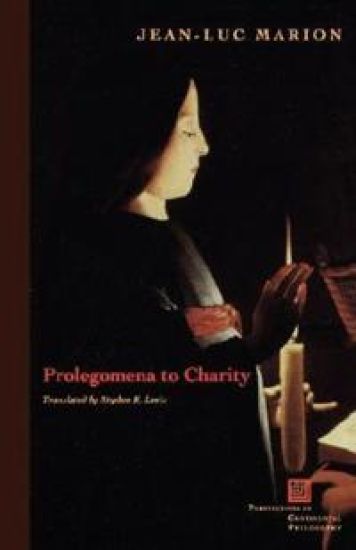
In seven essays that draw from metaphysics, phenomenology, literature, Christological theology, and Biblical exegesis,Marion sketches several prolegomena to a future fuller thinking and saying of love's paradoxical reasons, exploring evil, freedom, bedazzlement, and the loving gaze; crisis, absence, and knowing.
In seven essays that draw from metaphysics, phenomenology, literature, Christological theology, and Biblical exegesis,Marion sketches several prolegomena to a future fuller thinking and saying of love's paradoxical reasons, exploring evil, freedom, bedazzlement, and the loving gaze; crisis, absence, and knowing.
In the third book in the trilogy that includes Reduction and Givenness and Being Given. Marion renews his argument for a phenomenology of givenness, with penetrating analyses of the phenomena of event, idol, flesh, and icon. Turning explicitly to hermeneutical dimensions of the debate, Marion masterfully draws together issues emerging from his close reading of Descartes and Pascal, Husserl and Heidegger, Levinas and Henry. Concluding with a revised version of his response to Derrida, In the Name: How to Avoid Speaking of It, Marion powerfully re-articulates the theological possibilities of phenomenology.
Marked sharply by its time and place (Paris in the 1970s), this early theological text by Jean-Luc Marion nevertheless maintains a strikingly deep resonance with his most recent, groundbreaking, and ever more widely discussed phenomenology. And while Marion will want to insist on a clear distinction between the theological and phenomenological projects, to read each in light of the other can prove illuminating for both the theological and the philosophical reader - and perhaps above all for the reader who wants to read in both directions at once, the reader concerned with those points of interplay and undecidability where theology and philosophy inform, provoke, and challenge one another in endlessly complex ways." "In both his theological and his phenomenological projects Marion's central effort to free the absolute or unconditional (be it theology's God or phenomenology's phenomenon) from the various limits and preconditions of human thought and language will imply a thoroughgoing critique of all metaphysics, and above all of the modern metaphysics centered on the active, spontaneous subject who occupies modern philosophy from Descartes through Hegel and Nietzsche.
Marked sharply by its time and place (Paris in the 1970s), this early theological text by Jean-Luc Marion nevertheless maintains a strikingly deep resonance with his most recent, groundbreaking, and ever more widely discussed phenomenology. And while Marion will want to insist on a clear distinction between the theological and phenomenological projects, to read each in light of the other can prove illuminating for both the theological and the philosophical reader - and perhaps above all for the reader who wants to read in both directions at once, the reader concerned with those points of interplay and undecidability where theology and philosophy inform, provoke, and challenge one another in endlessly complex ways." "In both his theological and his phenomenological projects Marion's central effort to free the absolute or unconditional (be it theology's God or phenomenology's phenomenon) from the various limits and preconditions of human thought and language will imply a thoroughgoing critique of all metaphysics, and above all of the modern metaphysics centered on the active, spontaneous subject who occupies modern philosophy from Descartes through Hegel and Nietzsche.
Does Descartes belong to metaphysics? What do we mean when we say "metaphysics"? These questions form the point of departure for Jean-Luc Marion's study of Cartesian thought. Analyses of Descartes' notion of the "ego" and his idea of God show that if Descartes represents the fullest example of metaphysics, he nonetheless transgresses its limits. Writing as philosopher and historian of philosophy, Marion uses Heidegger's concept of metaphysics to interpret the Cartesian corpus - an interpretation strangely omitted from Heidegger's own history of philosophy. This interpretation complicates and deepens the Heideggerian concept of metaphysics, a concept that has dominated 20th-century philosophy. Examinations of Descartes' predecessors (Aristotle, Augustine, Aquinas, and Suarez) and his successors (Leibniz, Spinoza, and Hegel) clarify the meaning of the Cartesian revolution in philosophy. Translated by Jeffrey Kosky, this work should appeal to historians of philosophy, students of religion, and anyone interested in the genealogy of contemporary thought and its contradictions.
Does Descartes belong to metaphysics? What do we mean when we say "metaphysics"? These questions form the point of departure for Jean-Luc Marion's study of Cartesian thought. Analyses of Descartes' notion of the "ego" and his idea of God show that if Descartes represents the fullest example of metaphysics, he nonetheless transgresses its limits. Writing as philosopher and historian of philosophy, Marion uses Heidegger's concept of metaphysics to interpret the Cartesian corpus - an interpretation strangely omitted from Heidegger's own history of philosophy. This interpretation complicates and deepens the Heideggerian concept of metaphysics, a concept that has dominated 20th-century philosophy. Examinations of Descartes' predecessors (Aristotle, Augustine, Aquinas, and Suarez) and his successors (Leibniz, Spinoza, and Hegel) clarify the meaning of the Cartesian revolution in philosophy. Translated by Jeffrey Kosky, this work should appeal to historians of philosophy, students of religion, and anyone interested in the genealogy of contemporary thought and its contradictions.
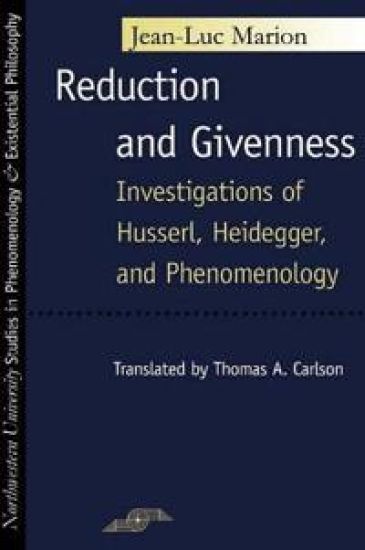
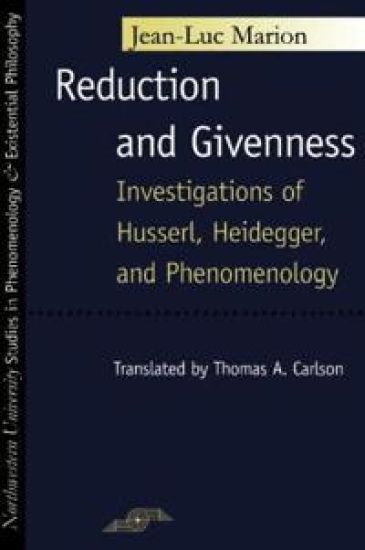
Through careful analysis of phenomenological texts by Husserl and Heidegger, Marion argues for the necessity of a third phenomenological reduction that concerns what is fully implied but left largely unthought by the phenomenologies of both Husserl and Heidegger: the unconditional "givenness" of the phenomenon. At once historically grounded and radically new, this phenomenology of givenness has revitalized phenomenological debate in Europe and the U. S.
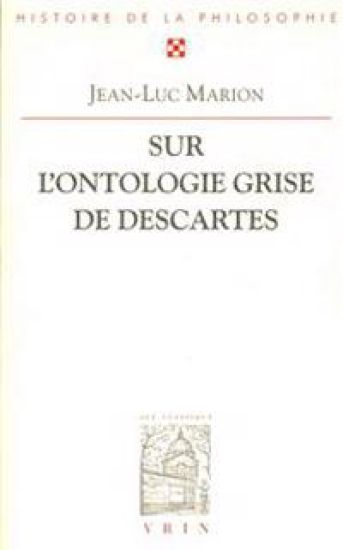
L'interpretation des Regulae ad Directionem Ingenii souleve un probleme specifique. La plupart des critiques ont tente de le comprendre a partir de la problematique du Discours de 1637. D'ou d'evidentes impasses, puisque les concepts originaux des Regulae, precisement, disparaissent dans le moment posterieur qu'ils ont rendu pourtant possible. Il restait une voie: determiner les Regulae comme un dialogue avec un interlocuteur jamais nomme, avec lequel la pensee du jeune Descartes, a l'aurore d'elle-meme, devait s'expliquer pour devenir cartesienne; cet interlocuteur, c'est Aristote. En retrouvant les textes aristoteliciens qu'interrogent chacune des Regulae on degage une polemique. Elle contribue deja a eclairer le point de depart de la doctrine cartesienne de la science. Mais il y a plus: l'epistemologie ne s'etablit pas en refutant une autre epistemologie, mais en recusant l'ontologie d'Aristote. Descartes conquiert donc, avec son epistemologie, rien moins qu'une ontologie, ontologie grise, parce qu'elle ne s'avoue pas comme telle.