Kirjojen hintavertailu – 12 859 824 kirjaa ja 27 kauppaa

Kirjailija

Jean Radvanyi

Kirjat ja teokset yhdessä paikassa: 6 kirjaa, julkaisuja vuosilta 2018–2026, suosituimpiin kuuluu Russia’s Arctic. Vertaile teosten hintoja ja tarkista saatavuus suomalaisista kirjakaupoista.

6 kirjaa

Kirjojen julkaisuvuodet: 2018–2026.

Russia’s Arctic

Russia’s Arctic

Marlene Laruelle; Jean Radvanyi

BLOOMSBURY PUBLISHING PLC
2026
sidottu
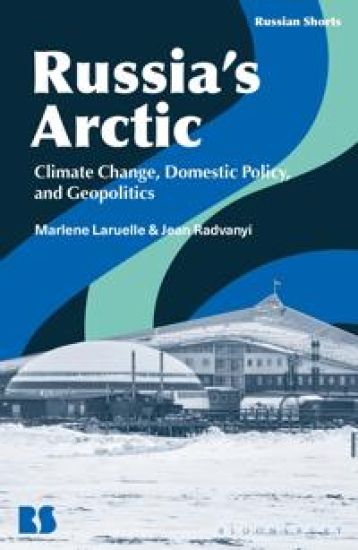
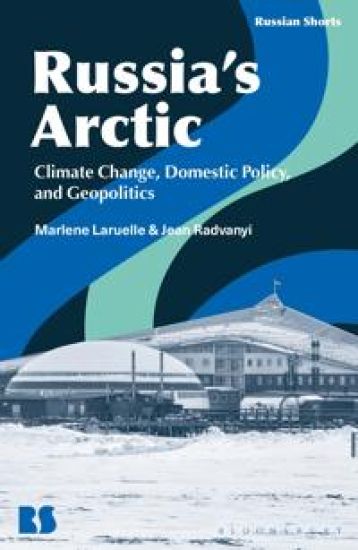
This book provides a comprehensive overview of Russia’s Arctic policies since the 2022 war with Ukraine began. Covering geopolitical transformations, domestic evolutions and the role of climate change, it traces how, for around two decades, Russia has renewed its strategic interest in the Arctic region. It reflects on how, with more than half of the circumpolar territories, Russia’s Arctic regions generate between 10 and 15% of Russia's GDP and a quarter of its exports, with the yet-to-be-explored reserves of the Arctic continental shelf also offering immense potential. Russia’s Arctic analyses the growth of hydrocarbon deposits in the far north of Siberia and nearby offshore areas and how this has contributed to the rapid development of the Northern Sea Route. Marlene Laruelle and Jean Radvanyi examine the tremendous long-term importance of the region for Russia, regardless of internal political developments and the state of relations with the West. Long a place for science diplomacy and transborder dialogue, the region has once again become a hotspot for geostrategic tensions and a new interface between an expanded NATO and Russia. While the West is imposing increasingly broad sanctions specifically targeting Arctic hydrocarbon development projects, the Russian government is striving to circumvent or mitigate their effects with countermeasures by relying on their allies, most of whom are Asian. Laruelle and Radvanyi convincingly contend that Russian Arctic development policy must take into account the economic needs of the Russian budget and the geopolitical realities of decoupling from the West and pivoting towards the so-called ‘Global South’. Additionally, it must consider the heavy legacies of the past in terms of population, infrastructure, and pollution, as well as future projections regarding the impact of climate change.
Russia’s Arctic

Russia’s Arctic

Marlene Laruelle; Jean Radvanyi

BLOOMSBURY PUBLISHING PLC
2026
nidottu

Halvin toimitettuna 30,80 €

This book provides a comprehensive overview of Russia’s Arctic policies since the 2022 war with Ukraine began. Covering geopolitical transformations, domestic evolutions and the role of climate change, it traces how, for around two decades, Russia has renewed its strategic interest in the Arctic region. It reflects on how, with more than half of the circumpolar territories, Russia’s Arctic regions generate between 10 and 15% of Russia's GDP and a quarter of its exports, with the yet-to-be-explored reserves of the Arctic continental shelf also offering immense potential. Russia’s Arctic analyses the growth of hydrocarbon deposits in the far north of Siberia and nearby offshore areas and how this has contributed to the rapid development of the Northern Sea Route. Marlene Laruelle and Jean Radvanyi examine the tremendous long-term importance of the region for Russia, regardless of internal political developments and the state of relations with the West. Long a place for science diplomacy and transborder dialogue, the region has once again become a hotspot for geostrategic tensions and a new interface between an expanded NATO and Russia. While the West is imposing increasingly broad sanctions specifically targeting Arctic hydrocarbon development projects, the Russian government is striving to circumvent or mitigate their effects with countermeasures by relying on their allies, most of whom are Asian. Laruelle and Radvanyi convincingly contend that Russian Arctic development policy must take into account the economic needs of the Russian budget and the geopolitical realities of decoupling from the West and pivoting towards the so-called ‘Global South’. Additionally, it must consider the heavy legacies of the past in terms of population, infrastructure, and pollution, as well as future projections regarding the impact of climate change.
Russia

Russia

Marlene Laruelle; Jean Radvanyi

BLOOMSBURY PUBLISHING PLC
2023
nidottu
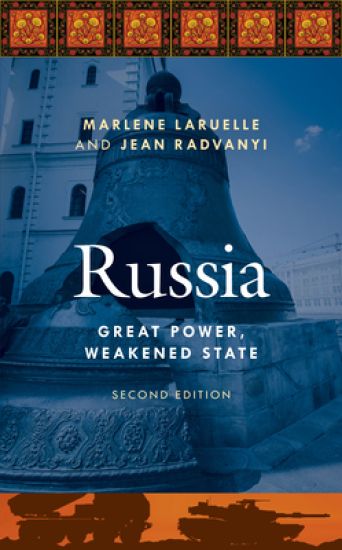
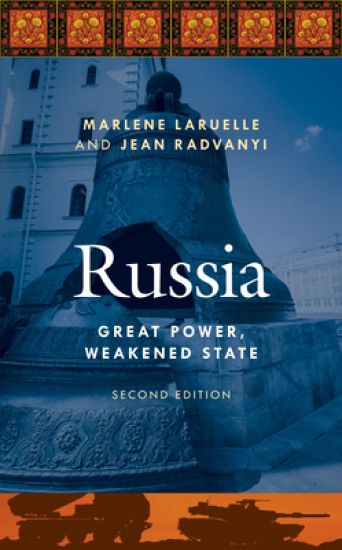
Russia inspires fear. For decades, American presidents viewed the Soviet Union as an “evil empire,” and now, the Ukrainian crisis has added a new chapter to this narrative inherited from the Cold War. Russia’s behavior is regarded with distrust and its “nuisance power” arouses frustration. The country’s image has not been so negative since the collapse of the Soviet Union. But at the same time—and this is a key point of this book—Russia is fearful, too. Thirty years after the end of the Soviet Union, multiple ghosts haunt the country, its elites, and its society, from concern over demographic and economic decline to worry about the country’s vulnerability to external intervention, reviving the old notion of Russia as a “besieged fortress.” Opened up practically overnight under President Boris Yeltsin, the country had to deal with a rapid and violent globalization. Faced with both a West that emerged victorious from the Cold War and a shockingly dynamic China, Russia constantly questions its identity and the notion that its fate is to bridge East and West. Vacillating between reformist aspirations and a fear of liberal society, which is often portrayed as amoral and perverse, the country, and certainly its leader Vladamir Putin, sometimes seems tempted to take refuge in a new isolation. This book is more than timely: no other book offers a comprehensive overview of Russia’s fears and challenges that could help the American public to understand how the country deals with its own issues and how this influences Russia’s foreign policy, including the ongoing war in Ukraine. This in-out aspect is critical to understand the country’s international stance and therefore directly US policy and security.
Russia

Russia

Marlene Laruelle; Jean Radvanyi

BLOOMSBURY PUBLISHING PLC
2023
sidottu
Russia inspires fear. For decades, American presidents viewed the Soviet Union as an “evil empire,” and now, the Ukrainian crisis has added a new chapter to this narrative inherited from the Cold War. Russia’s behavior is regarded with distrust and its “nuisance power” arouses frustration. The country’s image has not been so negative since the collapse of the Soviet Union. But at the same time—and this is a key point of this book—Russia is fearful, too. Thirty years after the end of the Soviet Union, multiple ghosts haunt the country, its elites, and its society, from concern over demographic and economic decline to worry about the country’s vulnerability to external intervention, reviving the old notion of Russia as a “besieged fortress.” Opened up practically overnight under President Boris Yeltsin, the country had to deal with a rapid and violent globalization. Faced with both a West that emerged victorious from the Cold War and a shockingly dynamic China, Russia constantly questions its identity and the notion that its fate is to bridge East and West. Vacillating between reformist aspirations and a fear of liberal society, which is often portrayed as amoral and perverse, the country, and certainly its leader Vladamir Putin, sometimes seems tempted to take refuge in a new isolation. This book is more than timely: no other book offers a comprehensive overview of Russia’s fears and challenges that could help the American public to understand how the country deals with its own issues and how this influences Russia’s foreign policy, including the ongoing war in Ukraine. This in-out aspect is critical to understand the country’s international stance and therefore directly US policy and security.
Understanding Russia

Understanding Russia

Marlene Laruelle; Jean Radvanyi

Rowman Littlefield
2018
sidottu
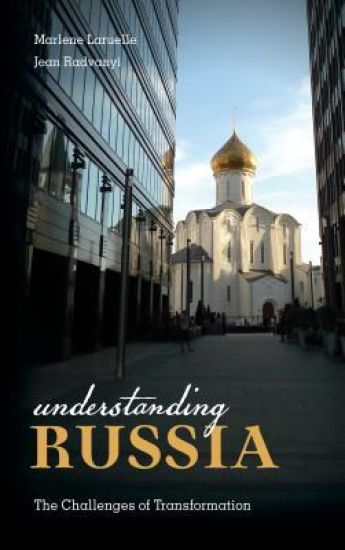
This timely book provides a balanced and comprehensive overview of the geographical, historical, political, cultural, and geostrategic factors that drive Russia today. Russia has long inspired fear in the West, but as the authors argue, Russia is fearful as well. Three decades after the transformations launched by perestroika, multiple ghosts haunt both Russian elites and ordinary citizens, ranging from concerns about territorial challenges, societal transformations, and economic decline to worries about the country’s vulnerability to external intervention. Faced with a West that emerged victorious from the Cold War, a shockingly dynamic China, and former Soviet republics claiming their right to emancipate themselves from Moscow’s stranglehold, Russia is constantly questioning its identity, its development path, and its role on the international scene. The country hesitates between two strategies: take refuge in a new isolation and revive the old notion of being a “besieged fortress,” or replay the messianic myth of a Third Rome, the last bastion of Christian values in the face of a decadent West. Explaining Russia’s perspective, Marlene Laruelle and Jean Radvanyi offers a much-needed analysis that will help readers understand how the country deals with its domestic issues and how these influence Russian foreign policy.
Understanding Russia

Understanding Russia

Marlene Laruelle; Jean Radvanyi

Rowman Littlefield
2018
nidottu
This timely book provides a balanced and comprehensive overview of the geographical, historical, political, cultural, and geostrategic factors that drive Russia today. Russia has long inspired fear in the West, but as the authors argue, Russia is fearful as well. Three decades after the transformations launched by perestroika, multiple ghosts haunt both Russian elites and ordinary citizens, ranging from concerns about territorial challenges, societal transformations, and economic decline to worries about the country’s vulnerability to external intervention. Faced with a West that emerged victorious from the Cold War, a shockingly dynamic China, and former Soviet republics claiming their right to emancipate themselves from Moscow’s stranglehold, Russia is constantly questioning its identity, its development path, and its role on the international scene. The country hesitates between two strategies: take refuge in a new isolation and revive the old notion of being a “besieged fortress,” or replay the messianic myth of a Third Rome, the last bastion of Christian values in the face of a decadent West. Explaining Russia’s perspective, Marlene Laruelle and Jean Radvanyi offers a much-needed analysis that will help readers understand how the country deals with its domestic issues and how these influence Russian foreign policy.