

Kirjailija
Jean Sibelius
Kirjat ja teokset yhdessä paikassa: 11 kirjaa, julkaisuja vuosilta 1991–2025, suosituimpiin kuuluu Kung Kristian Ii. Vertaile teosten hintoja ja tarkista saatavuus suomalaisista kirjakaupoista.
11 kirjaa
Kirjojen julkaisuvuodet: 1991–2025.
Reprinted from authoritative sources, these scores represent Finnish composer Jan Sibelius's final symphonies: No. 6, a "poem within the framework of a symphony"; and No. 7, a one-movement "symphonic fantasy." "Number Six is autobiographical. An aging man feels his own incapacity. The ideals are there, but he cannot reach them. The Seventh forms a pair with the Sixth, but it is not autobiographical. Number Seven is sacred music." -- conductor Osma V nsk , noted interpreter of Sibelius's music.
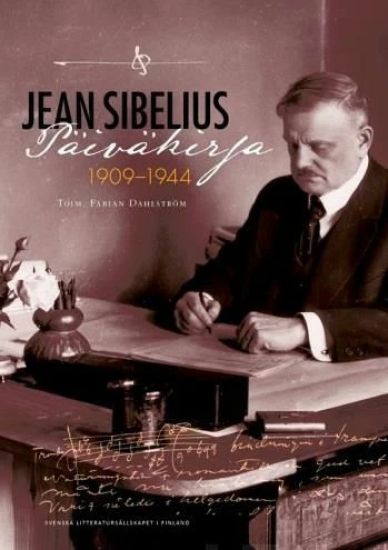
Päiväkirja 1909-1944
Jean Sibelius
Svenska litteratursällskapet i Finland
2015
sidottu
Halvin toimitettuna 21,80 €
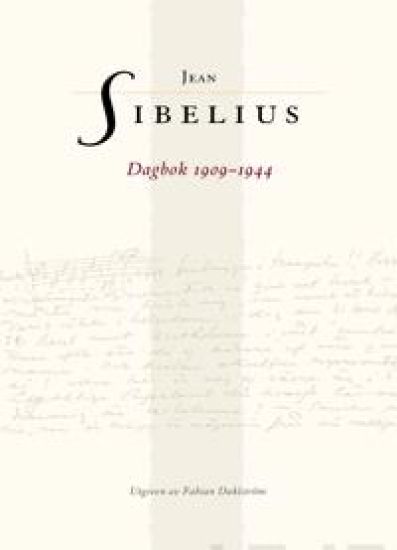
Jean Sibelius dagbok från åren 1909–1944 publicerades på originalspråket svenska för första gången och i sin helhet 2005. Utgivare för den vetenskapliga utgåvan var Fabian Dahlström, som även sammanställt den omfattande kommentardelen. Jean Sibelius dagbok utges nu på finska komplett med kommentarerna i översättning av Arja Gothoni och Juha Saikkonen.
Title: En Saga, Op. 9Composer: Jean SibeliusOriginal Publisher: Breitkopf & H rtel The complete score to En Saga by Jean Sibelius, as originally published by Breitkopf & H rtel in 1903. Performer's Reprints are produced in conjunction with the International Music Score Library Project. These are out of print or historical editions, which we clean, straighten, touch up, and digitally reprint. Due to the age of original documents, you may find occasional blemishes, damage, or skewing of print. While we do extensive cleaning and editing to improve the image quality, some items are not able to be repaired. A portion of each book sold is donated to small performing arts organizations to create jobs for performers and to encourage audience growth.
Finland's greatest composer and a dominant figure in the history of Scandinavian music, Jean Sibelius (1865-1957) is acknowledged worldwide for his mastery of symphonic forms and for his innovative, highly personalized orchestral scoring. His genius for thematic development and for capturing a sense of his Nordic homeland is nowhere more evident than in his second symphony, which ranks among his most accessible and popular works. A staple of the orchestral repertoire, this superb work is presented here in full score with bar-numbered movements. Ideal for study in the classroom, at home, or in the concert hall, this affordable, high-quality, conveniently sized volume will be the edition of choice for music students and music lovers alike.
Masonic Ritual Music: For Male Voices and Piano or Organ
Jean Sibelius; Marshall Kernochan
Literary Licensing, LLC
2011
nidottu
Masonic Ritual Music: For Male Voices and Piano or Organ
Jean Sibelius; Marshall Kernochan
Literary Licensing, LLC
2011
sidottu
Masonic Ritual Music: For Male Voices And Piano Or Organ is a musical score book by the Finnish composer Jean Sibelius. The book contains a collection of music pieces specifically composed for Masonic rituals, featuring male voices and accompaniment of either piano or organ. The music pieces are written in the traditional Masonic style, with solemn and majestic melodies that evoke a sense of reverence and spirituality. The book includes a total of 10 pieces, each with its own unique character and style. Some of the pieces are sung in unison, while others feature harmonies and counterpoint. The book is designed for use by Masonic lodges and other organizations that perform Masonic rituals, but it can also be enjoyed by anyone who appreciates classical music or choral singing. Overall, Masonic Ritual Music: For Male Voices And Piano Or Organ is a beautifully crafted musical score book that showcases Sibelius' talent as a composer and his deep understanding of the Masonic tradition. This scarce antiquarian book is a facsimile reprint of the old original and may contain some imperfections such as library marks and notations. Because we believe this work is culturally important, we have made it available as part of our commitment for protecting, preserving, and promoting the world's literature in affordable, high quality, modern editions, that are true to their original work.

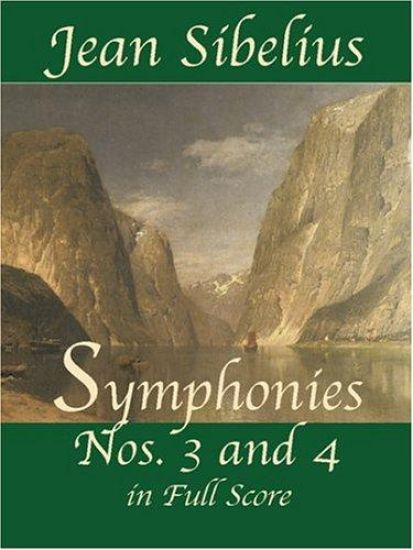
"It is hard to think of any music in which the composer is more spontaneous and masterful, and uncompromising in his thought." -- Olin Downes, Thompson's International Cyclopedia These revolutionary works brought a strikingly organic -- almost architectural -- unity to the symphony that music historians recognized as far in advance of anything in the classical masters. Planted with seeds of change already evident in the beautiful, dark third symphony, the fourth symphony presented the most individual work in this form that the twentieth century had yet witnessed. Harmonically new, boldly innovative, and structured on a subtle continuity of line, this was a kind of music previously unheard in the concert hall. Austere and intensely concentrated, Sibelius's symphonies of 1907 and 1911 are frequently performed around the world by major orchestras.
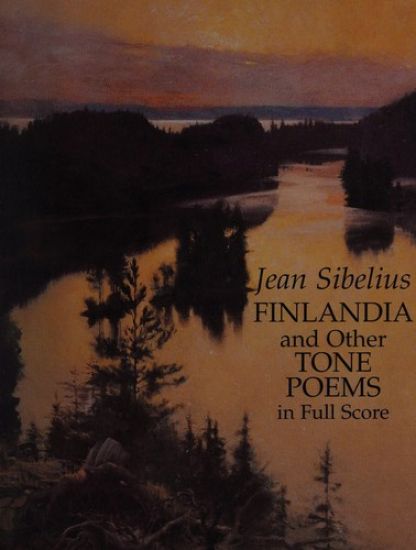
Full orchestral scores of "Finlandia, Valse Triste, The Swan of Tuonela, Lemminkainen's Return, En Saga, Pohjola's Daughter, Night Ride and Sunrise, " and "The Oceanides." Masterly compositions reveal the Finnish composer's great gifts for thematic development and formal structure, as well as his ability to infuse his music with strong, tightly reined emotion. Reproduced directly from authoritative German editions. Table of contents. List of instruments.