Kirjojen hintavertailu – 12 867 531 kirjaa ja 27 kauppaa

Kirjailija

Jeanne Gang

Kirjat ja teokset yhdessä paikassa: 3 kirjaa, julkaisuja vuosilta 2024–2026, suosituimpiin kuuluu New Natures. Vertaile teosten hintoja ja tarkista saatavuus suomalaisista kirjakaupoista.

3 kirjaa

Kirjojen julkaisuvuodet: 2024–2026.

New Natures

New Natures

Béatrice Grenier; Jeanne Gang; Emenuale Coccia

Park Books
2026
nidottu
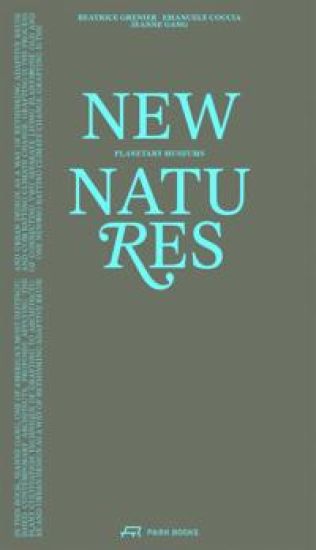
A programmatic manifesto and cultural proposal, New Natures: Planetary Museums reimagines the encyclopaedic museum for the 21st century. Beginning with Studio Gang’s speculative transformation of the Louvre in Paris, it dissolves the traditional boundaries between museum and ecosystem, culture and nature, city and planet. Other featured case studies include the Benjakitti Forest Park in Bangkok, designed by Yu Kongjan (China); the park of Luma Arles, designed by Bas Smets (Belgium); the Art Biotop Water Garden in Tochigi, designed by Junya Ishigami (Japan); and the Tidal Basin in Washington D. C., designed by Field Operations (USA). Written by French curator and writer Béatrice Grenier, architect Jeanne Gang, and Italian philosopher Emanuele Coccia, the book articulates the need for a new planetary encyclopaedia that encompasses ecological systems together with the geological, hydrological, and atmospheric forces that sustain them. Illustrated with some 50 images New Natures: Planetary Museums offers both a theoretical framework and a new cultural policy for a world shaped by climate crisis.
The Art of Architectural Grafting
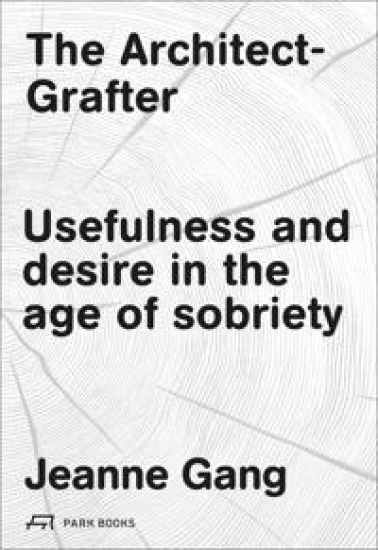
Jeanne Gang, one of America’s most distinguished contemporary architects, proposes using the ancient plant-cultivation technique of grafting in architecture and urban design as an effective way to address the pressing issue of climate change. Grafting is the biological process of connecting two separate living plants so they can grow and function as one. Motivated by both human need and desire, it is an ancient practice that continues to be performed today in search of more fruitful, palatable, and resilient varieties of plants. Grafting is also an incredibly useful and untapped paradigm for how architecture can begin to cope with climate change on a larger, more impactful scale, because it is predicated upon the building fabric that we already have. Grafting can become a term that informs architecture and its many scales, provoking the imagination while simultaneously lending know-how to tectonic, programmatic, formal, and regenerative adaptations.
L'Art de greffer en architecture

L'Art de greffer en architecture

Jeanne Gang

Park Books
2024
nidottu
Jeanne Gang, one of America’s most distinguished contemporary architects, proposes using the ancient plant-cultivation technique of grafting in architecture and urban design as an effective way to address the pressing issue of climate change. Grafting is the biological process of connecting two separate living plants so they can grow and function as one. Motivated by both human need and desire, it is an ancient practice that continues to be performed today in search of more fruitful, palatable, and resilient varieties of plants. Grafting is also an incredibly useful and untapped paradigm for how architecture can begin to cope with climate change on a larger, more impactful scale, because it is predicated upon the building fabric that we already have. Grafting can become a term that informs architecture and its many scales, provoking the imagination while simultaneously lending know-how to tectonic, programmatic, formal, and regenerative adaptations. Text in French.