Kirjojen hintavertailu – 12 903 725 kirjaa ja 27 kauppaa
Kirjailija
Jeffrey Kottler
Kirjat ja teokset yhdessä paikassa: 15 kirjaa, julkaisuja vuosilta 1999–2025, suosituimpiin kuuluu Changing People's Lives While Transforming My Own. Vertaile teosten hintoja ja tarkista saatavuus suomalaisista kirjakaupoista.
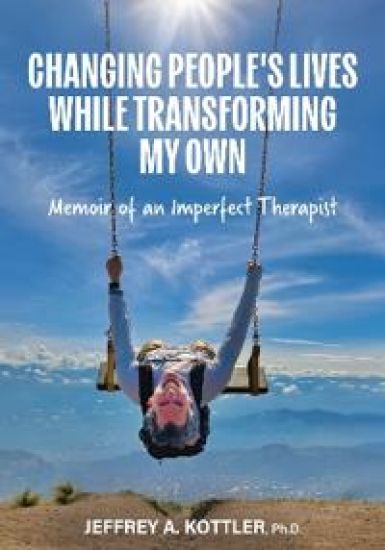
This memoir is a reflective journey into the professional and personal life of Jeffrey A. Kottler, one of the most prolific writers in the fields of counseling and psychotherapy. It offers an unvarnished look at the author's experiences, achievements, and crushing disappointments in the realms of therapy, teaching, and social advocacy.
There are certain assumptions about the practice of counseling that are accepted as "truths," beliefs that are so pervasive that they remain unchallenged by almost all practitioners of all persuasions and approaches. In this book noted authors Jeffrey Kottler and Rick Balkin cover a wide range of myths, misconceptions, and assumptions that have remained unchallenged or that have little research to support their efficacy. Topics covered include the sacrosanct "50 minute hour," how basic research is conducted and whether the results inform actual practice, why progress made in therapy often doesn't last, what social justice actually means, and what makes someone an effective therapist. Each chapter describes an issue, explores the way it operates in daily practice, and then presents empirical evidence to question or challenge its current use. In cases where there is little or no definitive research to support or refute the procedure, belief, or practice the authors present some critical questions that will at the very least encourage counselors to reflect on what they do and why.
Dealing with stress is the single most frequently mentioned challenge for college (and life) success. Excelling in College: Strategies for Success and Reducing Stress equips students with the ideas and skills needed to excel in higher education and beyond. This unique resource not only helps students to master key academic strategies, but also offers practical approaches for managing stress to support optimal performance and increased enjoyment of the collegiate experience. Students learn how to make the most of learning experiences, capitalize on available resources, set priorities and goals, and make healthy lifestyle choices. Dedicated chapters share approaches for managing anxiety, writing and speaking effectively, and identifying difficulties before they become major obstacles. The text nurtures the development of students' goals, dreams, and strategic career plans. Reflective exercises, experiential activities, and stress reduction methods personalize and deepen the learning experience. Throughout, stories from students highlight the unique joys and challenges of campus life. This new and completely updated edition includes expanded information on the symptoms and causes of stress, as well as proven pathways for dealing with these issues. Updated content throughout reflects the growing diversity of academic institutions and advances in technology, as well as contemporary social and political developments. Excelling in College is an exemplary text for first-year orientation and success courses and programs. Jeffrey A. Kottler is one of the most prominent authors in the fields of psychology, health, and education, having written over 100 books across a broad range of topics. He is professor emeritus at California State University, Fullerton and resident scholar at the Alliance for Multicultural Community Service in Houston, Texas, where he works on issues related to refugee mental health and wellness.
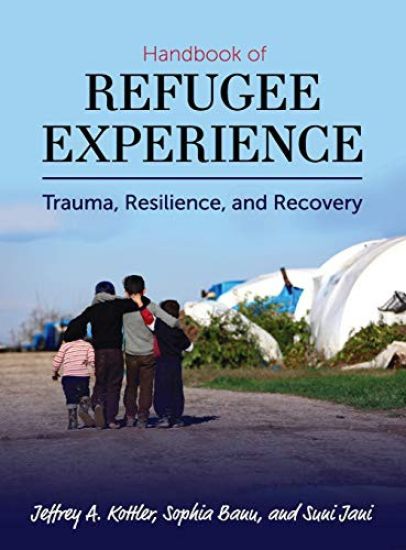
Handbook of Refugee Experience: Trauma, Resilience, and Recovery is a comprehensive resource for students, scholars, and practitioners who work with refugee populations. This collection explores contemporary issues including migration, war, oppression, genocide, health crises, and racial and cultural identities to shed light on the refugee experience. The text offers a balance of theory, research, case studies, narratives, and clinical application, while emphasizing the concepts of resilience, recovery, and successful adaptation. The first section of the handbook examines the social, cultural, and political contexts in which refugees experience their lives. The second section features powerful narratives from refugees that illuminate what it feels like to survive, recover, and flourish after exile. In the third section, readers hear from helping professionals about their struggles, challenges, frustrations, and triumphs while serving refugee populations. The fourth section focuses on clinical considerations, discussing common assessment and treatment issues, as well as practical techniques, interventions, and community-based strategies that have proven successful. The final section focuses on resilience and courage, exploring the gifts refugees, and their helpers, have received after surviving difficult life circumstances. Handbook of Refugee Experience is an ideal resource for counseling, health care, and social work courses, or any other course that prepares future practitioners to assist refugee populations. Jeffrey A. Kottler is one of the most prominent authors in the fields of counseling, psychotherapy, health, and education, having written over 100 books across a broad range of topics. He is a clinical professor in the Menninger Department of Psychiatry and Behavioral Science at the Baylor College of Medicine in Houston and professor emeritus of counseling at California State University, Fullerton. He has served as a counselor, therapist, supervisor, educator, and social justice advocate in a variety of professional settings throughout his career. Sophia Banu is an associate professor in the Menninger Department of Psychiatry and Behavioral Science at Baylor College of Medicine. Suni Jani is a child, adolescent, and adult psychiatrist. Dr. Jani earned her M. D. and M. P. H. from The George Washington University. She completed the remainder of her psychiatry training at the Baylor College of Medicine and her child and adolescent training at Massachusetts General Hospital and McLean Hospital at Harvard Medical School.
Traditional training in counseling and psychotherapy makes minimal distinctions on the ages of the client and therapist in the treatment process. Therapy Over 50: Aging Issues in Psychotherapy and the Therapist's Life highlights how therapy is frequently a very different process for the older client and therapist. Specifically, this book explores: a) how therapists over 50 (or approaching that life transition) experience, struggle, and enjoy doing therapy in ways that are different from when they were younger (this includes their special challenges, adaptations, fears, and joys); and b) the landscape related to working clinically with aging clients, and those approaches and strategies that work best with this population. The text also includes both current research and classic literature on the subject of aging issues in therapy, as well as current excerpts from interviews the authors will conduct with some of the most notable aging figures in the fields of counseling, social work, marriage and family therapy, and clinical psychology.
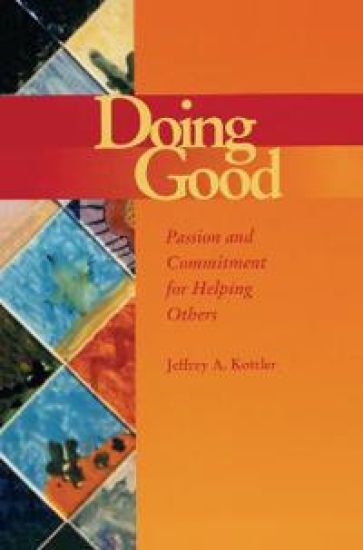
This text is intended to inspire people to make a difference in their work. Told through the experiences of those who "do good" as a vocation, it reflects the realities of helping others through those who are successful and flourishing in their work. Focused on helping beginners to feel good about their commitment to service, it is thus appropriate as a text in both under-graduate and graduate courses in counselling, human services, social work, education, and similar survey courses. It is also of use to both professionals and those involved in volunteer helping efforts.
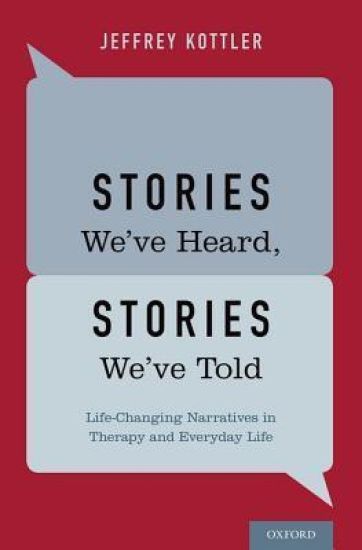
This is a book that integrates what is known from a wide variety of disciplines about the nature of storytelling and how it influences and transforms people's lives. Drawing on material from the humanities, sociology, anthropology, neurophysiology, media and communication studies, narrative inquiry, indigenous healing traditions, as well as education, counseling, and therapy, the book explores the ways that therapists operate as professional storytellers. In addition, our job is to hold and honor the stories of our clients, helping them to reshape them in more constructive ways. The book itself is written as a story, utilizing engaging prose, research, photographs, and powerful anecdotes to draw readers into the intriguing dynamics and processes involved in therapeutic storytelling. It sets the stage for what follows by discussing the ways that stories have influenced history, cultural development, and individual worldviews and then delves into the ways that everyday lives are impacted by the stories we hear, read, and view in popular media. The focus then moves to stories within the context of therapy, exploring how client stories are told, heard, and negotiated in sessions. Attention then moves to the ways that therapists can become more skilled and accomplished storytellers, regardless of their theoretical preferences and style.
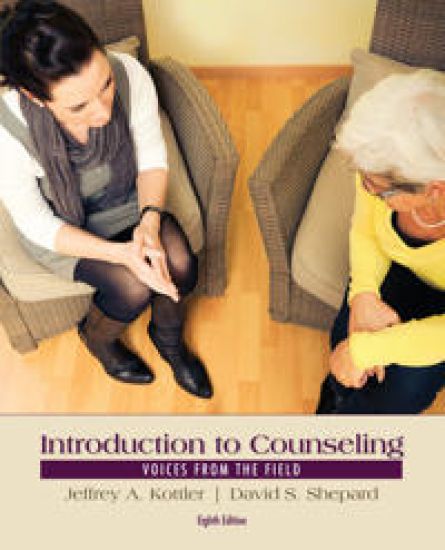
INTRODUCTION TO COUNSELING, Eighth Edition provides a comprehensive overview of the counseling profession while encouraging readers to examine the day-to-day realities of being a counselor as well as their motivation for choosing the profession. Coverage includes information on what counseling is as well as its history, theoretical orientations, applications, and professional issues. As readers become engaged in the process of learning and applying counseling concepts, they get an unparalleled look at what their professional futures may hold.
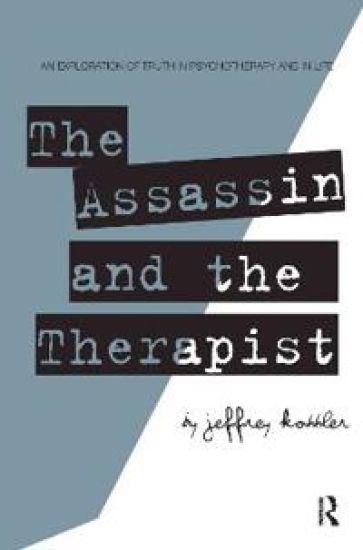
Many therapists have likely worked with a client who has caused the therapist to confront his most cherished beliefs, or has changed the therapist in ways that forever altered the way he performs therapy, looks at the world, and sees himself. The author of this book found himself in just such a situation, causing him to begin his own search for truth. This book is the result of his search; it explores the nature of truth in psychotherapy and in the therapist’s life, examining some of the things that are often denied and rarely spoken about. This book contains two parallel narratives: the first tells the story of Jacob, a man in his seventies, who lived through one of the most dramatic periods in history and actually altered events through his acts of violence. Following him from his childhood to his recruitment, training, and life as an assassin, it is a tale of intrigue, of adventure and courage, but one that also raises a number of profound moral issues. The reader will find several unexpected but significant themes scattered throughout Jacob’s story which, upon close examination, have significant implications for the ways therapists think about their work and their relationships with clients. The second narrative details the author’s struggles as a therapist as he tries to make sense of his doubt, imperfections, and self-deceptions. The reader will join him on his search for truth in both psychotherapy and life. His story becomes a lesson for digging deep into the complex and ambiguous nature of what therapists do and what they think they learn in their work. A greatly unique and fascinating work, readers will find themselves both enthralled in and changed by Jacob’s story and the author’s journey.
Many therapists have likely worked with a client who has caused the therapist to confront his most cherished beliefs, or has changed the therapist in ways that forever altered the way he performs therapy, looks at the world, and sees himself. The author of this book found himself in just such a situation, causing him to begin his own search for truth. This book is the result of his search; it explores the nature of truth in psychotherapy and in the therapist’s life, examining some of the things that are often denied and rarely spoken about. This book contains two parallel narratives: the first tells the story of Jacob, a man in his seventies, who lived through one of the most dramatic periods in history and actually altered events through his acts of violence. Following him from his childhood to his recruitment, training, and life as an assassin, it is a tale of intrigue, of adventure and courage, but one that also raises a number of profound moral issues. The reader will find several unexpected but significant themes scattered throughout Jacob’s story which, upon close examination, have significant implications for the ways therapists think about their work and their relationships with clients. The second narrative details the author’s struggles as a therapist as he tries to make sense of his doubt, imperfections, and self-deceptions. The reader will join him on his search for truth in both psychotherapy and life. His story becomes a lesson for digging deep into the complex and ambiguous nature of what therapists do and what they think they learn in their work. A greatly unique and fascinating work, readers will find themselves both enthralled in and changed by Jacob’s story and the author’s journey.
In Their Finest Hour, therapists on the cutting edge of their profession detail their most professionally rewarding cases and share what they learnt from them. These outstanding therapists define achievement in their field, describe how therapy really works and speak frankly about how their cases shaped their ideas. Each interview was recorded and then transcribed and written into narrative prose, including re-created dialogue that was based on case notes and recordings. The contributors approved all the material and the identifying features of clients were disguised. There have been some excellent books in the past about the most interesting and seminal cases of psychotherapy, but never have the greatest successes of the most accomplished theoreticians been assembled in one volume, and told in their own words. Included are stories from: Michael Yapko Albert Ellis Stephen Lankton Arnold Lazarus Jon Carlson William Glasser Previously published as ISBN 9780205430031.
This text is intended to inspire people to make a difference in their work. Told through the experiences of those who "do good" as a vocation, it reflects the realities of helping others through those who are successful and flourishing in their work. Focused on helping beginners to feel good about their commitment to service, it is thus appropriate as a text in both under-graduate and graduate courses in counselling, human services, social work, education, and similar survey courses. It is also of use to both professionals and those involved in volunteer helping efforts.
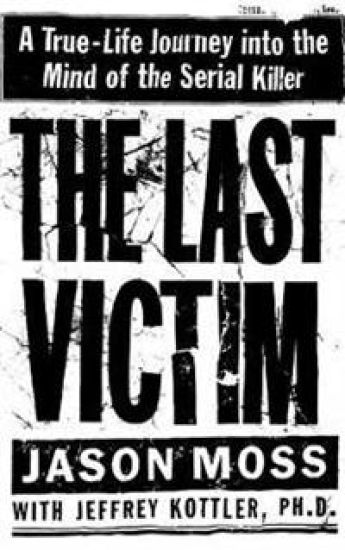
DEAR MR. MANSON... It started with a college course assignment, then escalated into a dangerous obsession. Eighteen-year-old honor student Jason Moss wrote to men whose body counts had made criminal history: men named Dahmer, Manson, Ramirez, and Gacy. DEAR MR. DAHMER... Posing as their ideal victim, Jason seduced them with his words. One by one they wrote him back, showering him with their madness and violent fantasies. Then the game spun out of control. John Wayne Gacy revealed all to Jason -- and invited his pen pal to visit him in prison... DEAR MR. GACY... It was an offer Jason couldn't turn down. Even if it made him... The book that has riveted the attention of the national media, this may be the most revealing look at serial killers ever recorded and the most illuminating study of the dark places of the human mind ever attempted.