Kirjailija
Jeffrey L. Buller
Kirjat ja teokset yhdessä paikassa: 40 kirjaa, julkaisuja vuosilta 2001–2026, suosituimpiin kuuluu Chudwell Hall. Vertaile teosten hintoja ja tarkista saatavuus suomalaisista kirjakaupoista.
Nimi esiintyy myös muodoissa: Jeffrey L Buller
40 kirjaa
Kirjojen julkaisuvuodet: 2001–2026.
Hire The Right Faculty Member Every Time is a concise guide for hiring authorities at colleges and universities. The book provides insight into the state of faculty hiring at colleges and universities today, advice on the best way to design positions, recommendations on how to conduct an interview, guidelines on how to make a decision about whom to hire, perspectives on what to remember when closing the deal, and hints about providing the right kind of orientation and onboarding services to new hires.
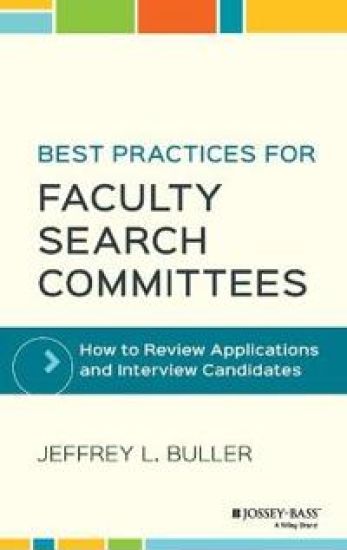
The essential guidebook for effective faculty hiring committees Best Practices for Faculty Search Committees presents a clear, direct action plan for faculty and administration involved in hiring. Written by a veteran university administrator, this book lays out a step-by-step process for selecting the right candidate for the job. Practical guidance on application review, interviewing, and evaluation walks you through established and effective methods, while case studies and examples from a variety of institutions provide insight into real-world implementation. Whether you're serving on a faculty search committee for the first time, or simply seeking a more efficient route to the best candidate, this book provides invaluable guidance that can streamline the search and selection process. Tenure-track and long-term opportunities don't come about every day, so it's essential for hiring committees to make the correct choice. While the search process may be codified to an extent by your institution, there is still plenty of room for error or misjudgment; this book helps you keep the process on track and moving forward until the best candidate is identified. Develop criteria for efficient and informative application reviewConduct in-depth interviews that provide a clear picture of fitEvaluate final candidates on the most pertinent points for the job Most faculty search resources are technical in nature, with little guidance on getting the job done properly and efficiently; best practices tend to be unwritten, and frequently verge into "habit" rather than critically evaluated method. Best Practices for Faculty Search Committees provides clear, concise, concrete guidance for a more efficient, effective, and successful candidate search.
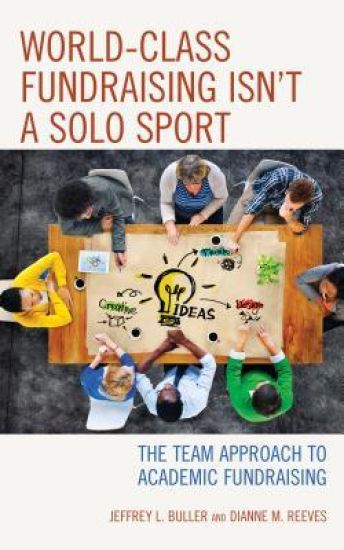
World-Class Fundraising Isn't a Solo Sport
Jeffrey L. Buller; Dianne M. Reeves
Rowman Littlefield
2016
sidottu
An African proverb says, “If you want to travel fast, travel alone. If you want to travel far, travel together.” World-Class Fundraising Isn’t a Solo Sport is about how to travel far in the world of academic development. It provides practical, field-tested strategies for building strong academic development teams. Using realistic case studies and innovative tools designed specifically for use in higher education, the book serves as an operations manual for how faculty members, academic administrators, or development officers can best work together to achieve their fundraising goals.
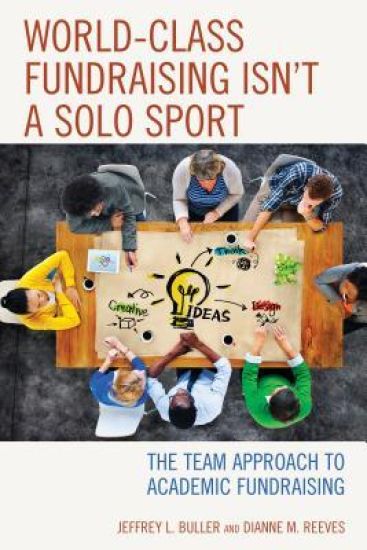
World-Class Fundraising Isn't a Solo Sport
Jeffrey L. Buller; Dianne M. Reeves
Rowman Littlefield
2016
nidottu
An African proverb says, “If you want to travel fast, travel alone. If you want to travel far, travel together.” World-Class Fundraising Isn’t a Solo Sport is about how to travel far in the world of academic development. It provides practical, field-tested strategies for building strong academic development teams. Using realistic case studies and innovative tools designed specifically for use in higher education, the book serves as an operations manual for how faculty members, academic administrators, or development officers can best work together to achieve their fundraising goals.
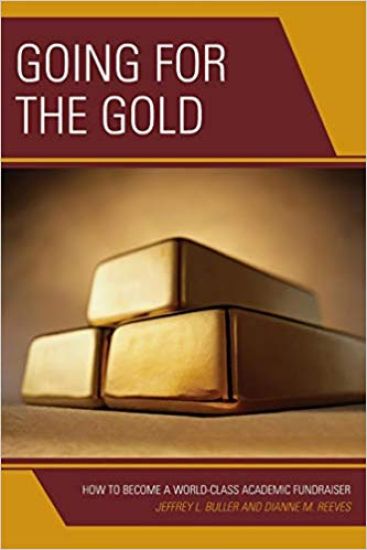
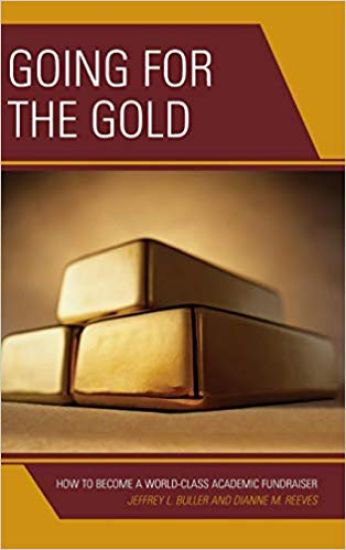
What do faculty members, academic administrators, or development officers need to know if they want to be successful fundraisers in higher education? Colleges and universities are such complex institutions that it is difficult for those who work in development to understand how the academic side of the institution operates and difficult for college professors and administrators to understand the technicalities and legal requirements that affect the development side of the institution. Going for the Gold demystifies these worlds for anyone interested in higher education fundraising and provides practical, field-tested tools that everyone involved in academic development will want in his or her toolkit.
A Toolkit for College Professors
Robert E. Cipriano; Jeffrey L. Buller
Rowman Littlefield
2015
sidottu
A Toolkit for College Professors is designed to give new and established faculty members the skills they need in order to do their jobs more effectively. Combining case studies, scenarios, practical advice, and problem-solving activities, this book offers college professors a valuable resource for excelling in the classroom, lab, studio, library, and beyond. From teaching effectively to promoting student success, facilitating collegiality with their peers, conducting research, applying for tenure and promotion, and many other areas relevant to academic life today, A Toolkit for College Professors helps faculty members achieve their goals and avoid common pitfalls along the way.
A Toolkit for College Professors
Robert E. Cipriano; Jeffrey L. Buller
Rowman Littlefield
2015
nidottu
A Toolkit for College Professors is designed to give new and established faculty members the skills they need in order to do their jobs more effectively. Combining case studies, scenarios, practical advice, and problem-solving activities, this book offers college professors a valuable resource for excelling in the classroom, lab, studio, library, and beyond. From teaching effectively to promoting student success, facilitating collegiality with their peers, conducting research, applying for tenure and promotion, and many other areas relevant to academic life today, A Toolkit for College Professors helps faculty members achieve their goals and avoid common pitfalls along the way.
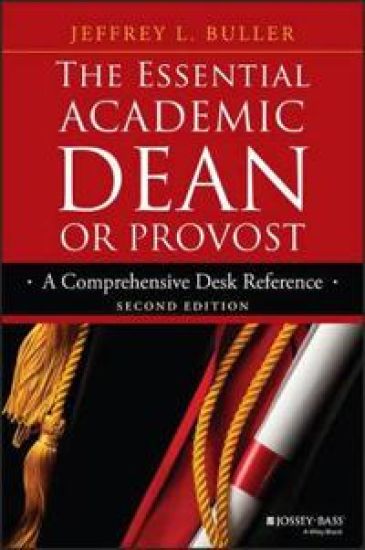
The go-to reference for academic leaders seeking practical answers to everyday challenges The Essential Academic Dean or Provost explains the "how" of academic leadership, providing a practical, comprehensive, reality-based reference for almost any problem, challenge, or opportunity. This updated second edition includes new chapters on the difference between leadership and management in higher education, leadership in politically charged environments, effective strategies for making decisions, and working with associate deans or provosts, plus new case studies, new research, and ten additional chapters available on the companion website. Each topic deals concisely with the most important information deans and provosts need when faced with a particular situation, providing both a comprehensive guide to academic leadership as well as a ready reference to be consulted as needed. The role of a dean or provost at a modern university is extremely complex, involving budgeting, community relations, personnel decisions, management of a large enterprise, fundraising, and guiding a school, college, or entire institution toward a compelling vision of the future. The details academic leaders have to deal with are numerous and critical, and every little thing matters. This invaluable guide provides the answers you need when you need them, and gives you framework for successfully navigating your job's many competing demands. Build support for a shared vision of the futureInteract effectively with different internal and external constituenciesLearn decision-making techniques specific to the academic environmentSet, supervise, and implement a budget that allows your programs to flourish Academic leaders need a handy, focused reference that provides authoritative answers to the many issues and questions that arise every day. With proven solutions to a multitude of challenges, The Essential Academic Dean or Provost shows academic leaders what they need to know in order to successfully guide their institutions into the future.

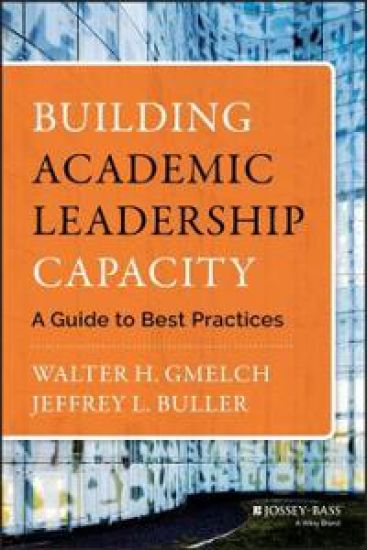
Building Academic Leadership Capacity
Walter H. Gmelch; Jeffrey L. Buller
John Wiley Sons Inc
2015
sidottu
A clear, systematic road map to effective campus leadership development Building Academic Leadership Capacity gives institutions the knowledge they need to invest in the next generation of academic leaders. With a clear, generalizable, systematic approach, this book provides insight into the elements of successful academic leadership and the training that makes it effective. Readers will explore original research that facilitates systematic, continuous program development, augmented by the authors' own insight drawn from experience establishing such programs. Numerous examples of current campus programs illustrate the concepts in action, and reflection questions lead readers to assess how they can apply these concepts to their own programs. The academic leader is the least studied and most misunderstood management position in America. Demands for accountability and the complexities of higher education leadership are increasing, and institutions need ways to shape leaders at the department chair, dean, and executive levels of all functions and responsibilities. This book provides a road map to an effective development program, whether the goal is to revamp an existing program or build one from the ground up. Readers will learn to: Develop campus leadership programs in a more systematic mannerExamine approaches that have been proven effective at other institutionsConsider how these approaches could be applied to your institutionGive leaders the skills they need to overcome any challenge The field of higher education offers limited opportunity to develop leaders, so institutions must invest in and grow campus leaders themselves. All development programs are not created equal, so it's important to have the most effective methods in place from day one. For the institution seeking a better way to invest in the next generation of campus leaders, Building Academic Leadership Capacity is a valuable resource.
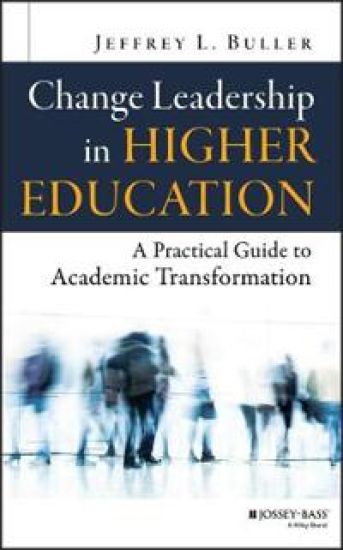
Initiate innovation and get things done with a guide to the process of academic change Change Leadership in Higher Education is a call to action, urging administrators in higher education to get proactive about change. The author applies positive and creative leadership principles to the issue of leading change in higher education, providing a much-needed blueprint for changing the way change happens, and how the system reacts. Readers will examine four different models of change and look at change itself through ten different analytical lenses to highlight the areas where the current approach could be beneficially altered. The book accounts for the nuances in higher education culture and environment, and helps administrators see that change is natural and valuable, and can be addressed in creative and innovative ways. The traditional model of education has been disrupted by MOOCs, faculty unions, online instruction, helicopter parents, and much more, leaving academic leaders accustomed to managing change. Leading change, however, is unfamiliar territory. This book is a guide to being proactive about change in a way that ensures a healthy future for the institution, complete with models and tools that help lead the way. Readers will: Learn to lead change instead of simply "managing" itExamine different models of change, and redefine existing approachesDiscover a blueprint for changing the process of changeAnalyze academic change through different lenses to gain a wider perspective Leading change involves some challenges, but this useful guide is a strong conceptual and pragmatic resource for forecasting those challenges, and going in prepared. Administrators and faculty no longer satisfied with the status quo can look to Change Leadership in Higher Education for real, actionable guidance on getting change accomplished.
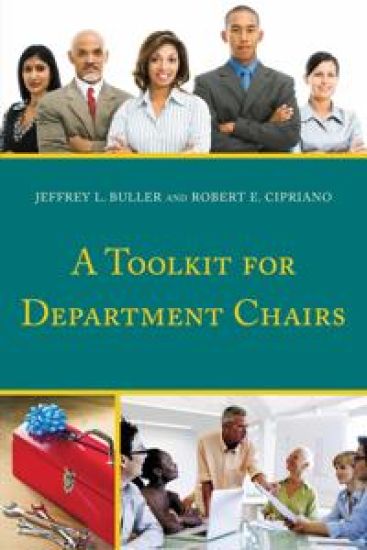
A Toolkit for Department Chairs
Jeffrey L. Buller; Robert E. Cipriano
Rowman Littlefield
2015
sidottu
A Toolkit for Department Chairs is designed to give academic administrators the skills they need in order to do their jobs more effectively. Combining case studies, scenarios, practical advice, and problem solving activities, the book offers chairs a valuable resource for negotiating the real-life challenges they face as academic leaders. Many of the case studies and scenarios included in this book have been field tested by the co-authors in over thirty years of administrative training workshops. Current and aspiring department chairs will discover many new tools that they can include in their administrative toolkits from this practical, accessible book. A Toolkit for Department Chairs works well as a personal resource as well as a training manual for leadership programs and textbook for pre- and in-service education for department chairs. Some additional key features of this book include: ·Practicality in that it offers specific strategies to address the many challenges faced by department chairs. ·Adaptability for use as an individual study guide, textbook for leadership programs, or discussion guide for groups of academic administrators. ·Utility in that it fills a demonstrated need in the field of higher education since 96-97% of current department chairs have received no formal training in their administrative responsibilities. ·Easy of use through short, sometimes humorous scenarios and case studies that cause readers to reflect on their own administrative approaches.
A Toolkit for Department Chairs
Jeffrey L. Buller; Robert E. Cipriano
Rowman Littlefield
2015
nidottu
A Toolkit for Department Chairs is designed to give academic administrators the skills they need in order to do their jobs more effectively. Combining case studies, scenarios, practical advice, and problem solving activities, the book offers chairs a valuable resource for negotiating the real-life challenges they face as academic leaders. Many of the case studies and scenarios included in this book have been field tested by the co-authors in over thirty years of administrative training workshops. Current and aspiring department chairs will discover many new tools that they can include in their administrative toolkits from this practical, accessible book. A Toolkit for Department Chairs works well as a personal resource as well as a training manual for leadership programs and textbook for pre- and in-service education for department chairs. Some additional key features of this book include: ·Practicality in that it offers specific strategies to address the many challenges faced by department chairs. ·Adaptability for use as an individual study guide, textbook for leadership programs, or discussion guide for groups of academic administrators. ·Utility in that it fills a demonstrated need in the field of higher education since 96-97% of current department chairs have received no formal training in their administrative responsibilities. ·Easy of use through short, sometimes humorous scenarios and case studies that cause readers to reflect on their own administrative approaches.
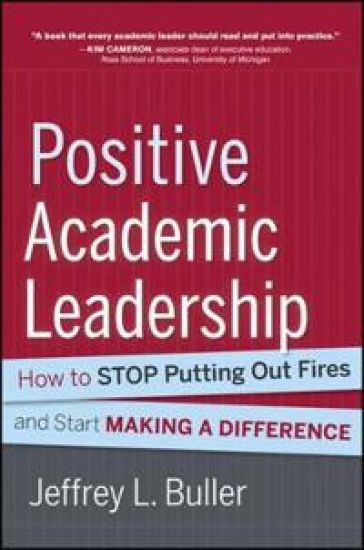
In Positive Academic Leadership, Jeffrey Buller offers new insights and practical tools, as well as language and tactics, for fostering a more effective approach to leadership. With acumen and a dash of humor, he shows leaders how they can take the focus off the negative and change what they say, their perspectives, and their strategies. This more constructive leadership style plays to the strengths of leaders rather than to the weaknesses of their institutions. Offering time-tested and fresh ideas for becoming the type of leader who acts as a coach, counselor, and conductor for faculty, staff, and students, Buller demonstrates how positive leadership can become a day-to-day practice. With its down-to-earth style, the book draws on the most current research on positive leadership in neuroscience, psychology, management, organizational behavior, and other disciplines and translates their lessons into readable and accessible recommendations. It then makes these recommendations come to life by providing real-world examples that illustrate how to implement positive leadership strategies in all spheres of the leader’s activities and institution. Positive Academic Leadership is a wise guide for transforming any leader’s attitude about inevitable daily crises into manageable challenges that are based on a philosophy of accepting the environment and situation but working to make things better.
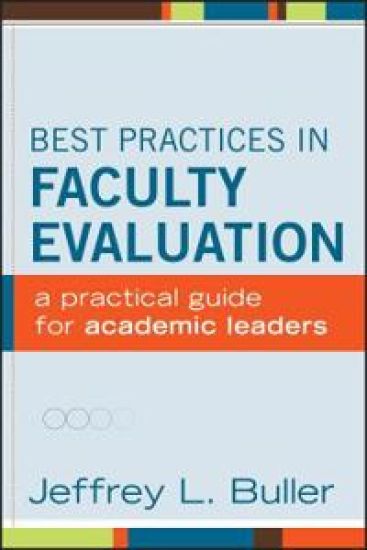
BEST PRACTICES IN FACULTY EVALUATION Best Practices in Faculty Evaluation is designed to be a hands-on guide for academics and administrators who want to become more effective and more confident in their handling of the important task of faculty evaluation. This vital resource offers chairs, deans, and members of evaluation committees the practical information they need to perform fair and accurate faculty evaluation. The book covers best practices in all forms of review and evaluation and includes directions that are designed to help evaluators understand how to use the information about faculty performance, convey clear messages about priorities, and protect themselves in cases when an appeal or grievance is likely. Best Practices in Faculty Evaluation is filled with practical advice and answers to commonly asked questions about oral and written reviews and evaluations, annual performance appraisals and evaluations, probationary and pretenure reviews, posttenure reviews, merit evaluations, tenure evaluations, promotion evaluations, and much more. In today's complex academic environment there is no longer a "typical" full-time, tenure-eligible faculty member. The staff of most colleges and universities includes increasing numbers of part-time faculty members, non-tenure-track faculty members, and even online course instructors whom the reviewer never meets in person. To address the wide range of diverse faculty members, the author offers clear guidance for evaluating both tenure-tracked faculty and nontraditional faculty members.
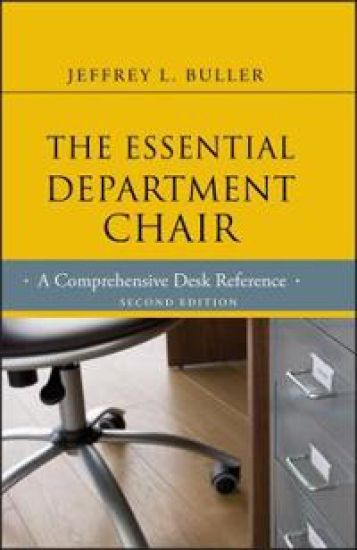
THE ESSENTIAL DEPARTMENT CHAIR This second edition of the informative and influential The Essential Department Chair offers academic chairs and department heads the information they need to excel in their roles. This book is about the "how" of academic administration: for instance, how do you cultivate a potential donor for much-needed departmental resources? How do you persuade your department members to work together more harmoniously? How do you keep the people who report to you motivated and capable of seeing the big picture? Thoroughly revised, updated, and expanded, this classic resource covers a broad spectrum of timely topics and is now truly more than a guide?it's a much-needed desk reference that tells you "everything you need to know to be a department chair." The Essential Department Chair contains information on topics such as essentials of creating a strategic plan, developing and overseeing a budget, key elements of fundraising, preparing for the role of chair, meeting the challenges of mentoring to increase productivity, and creating a more collegial atmosphere. The book also explores the chair's role in the search process, shows how to conduct a successful interview and what to do when it's time to let someone go. And the author includes suggestions for the best practices to adopt when doing an evaluation or assessment. The Essential Department Chair, Second Edition, contains a wealth of new, realistic case studies to equip leaders in this pivotal position to excel in departmental and institutional life.
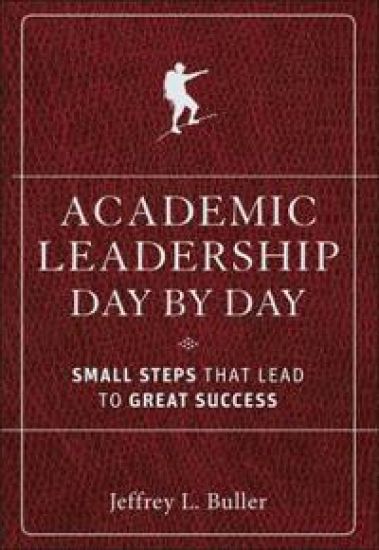
It can seem at times as though all of academic administration today is focused only on the need for continual change and the endless pursuit of "the big idea." But most academic leaders, from department chairs and program directors through university presidents and chancellors, are far too busy helping their institutions flourish for them to divert critical energy and resources to yet another untried theory or management principle. Academic Leadership Day by Day takes an entirely different approach to developing your proven academic leadership: It introduces one practical and field-tested idea each day for an entire academic year. Rather than requiring you to devote days or even weeks to administrative training (which may prove to be of little use in the end), this manual gives you no-nonsense suggestions that you can consider on even your busiest days. Experiment with the suggestions made each day, discover what works for you, and then build on your successes for the benefit of your institution and its programs. Significant improvements often result from small, gradual, and consistent efforts, and Academic Leadership Day by Day is your guide to becoming a more accomplished, confident academic leader a few minutes at a time.
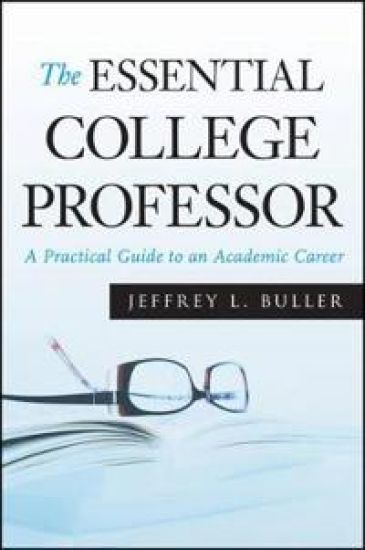
The Essential College Professor is about the "how" and "why" of being a faculty member today. Based on the author's series of highly successful faculty development workshops, each chapter deals concisely with the most important information college professors need at their fingertips when confronted by a particular challenge or faced with an exciting opportunity. Written both as a comprehensive guide to an academic career and as a ready reference to be consulted whenever needed, The Essential College Professor emphasizes proven solutions over untested theories and stresses what faculty members have to know now in order to be successful in their careers. Each chapter is concluded by a short exercise that faculty members can perform to help them, for instance, completely revise a course by restructuring the syllabus and course materials, bring new life to a research project by reframing it as a book proposal or grant application, and so on.
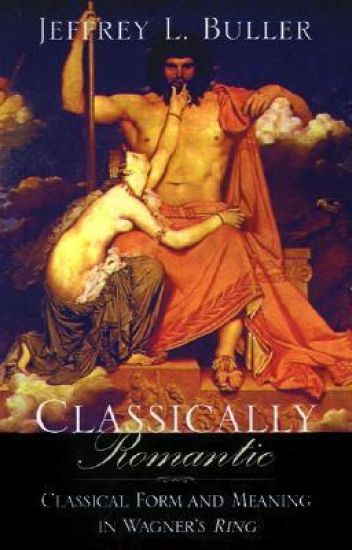
What did Richard Wagner know about ancient Greece? More importantly, what did he think he knew? How did his attitudes shape the Ring cycle? Classically Romantic explores how Wagner's ideas about the past were shaped, not by the classical world itself, but by the Romantic Age's select view of antiquity. Author Biography: Jeffrey L. Buller is a nationally recognized authority on classical literature and its influence on modern opera. He has published extensively on such topics as Greek tragedy, Latin pedagogy, Baroque music, and the careers of twentieth-century classical singers. Buller received his B. A. in classical and modern languages from the University of Notre Dame (1976), and both his M. A. (1977) and his Ph. D. (1981) in classics from the University of Wisconsin at Madison. An administrator as well as a scholar, Buller chaired the Department of Classical Studies at Loras College in Dubuque, Iowa, for eight years before serving as dean of the College of Liberal Arts and Social Sciences at Georgia Southern University in Statesboro, Georgia. Buller speaks frequently to professional groups on a variety of issues, including higher education administration, classical literature, and Wagner's Ring cycle.