Kirjojen hintavertailu – 12 903 735 kirjaa ja 27 kauppaa

Kirjailija

Jeffrey M. Peck

Kirjat ja teokset yhdessä paikassa: 3 kirjaa, julkaisuja vuosilta 1982–2007, suosituimpiin kuuluu Hermes Disguised. Vertaile teosten hintoja ja tarkista saatavuus suomalaisista kirjakaupoista.

3 kirjaa

Kirjojen julkaisuvuodet: 1982–2007.

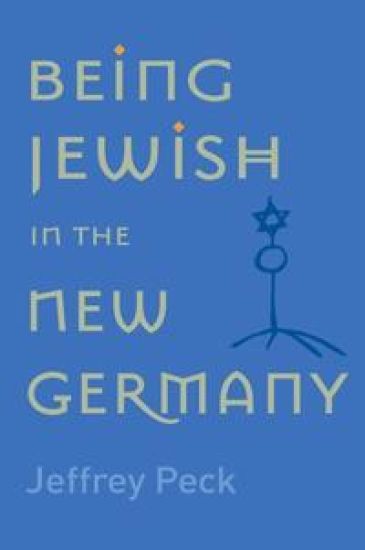
Being Jewish in the New Germany

Being Jewish in the New Germany

Jeffrey M. Peck

Rutgers University Press
2007
nidottu
Germany today boasts the fastest growing population of Jews in Europe. The streets of Berlin abound with signs of a revival of Jewish culture, ranging from bagel shops to the sight of worshipers leaving synagogue on Saturday. With the new energy infused by Jewish immigration from Russia and changes in immigration and naturalization laws in general, Jeffrey M. Peck argues that we must now begin considering how Jews live in Germany rather than merely asking why they would choose to do so. In Being Jewish in the New Germany, Peck explores the diversity of contemporary Jewish life and the complex struggles within the community-and among Germans in general-over history, responsibility, culture, and identity. He provides a glimpse of an emerging, if conflicted, multicultural country and examines how the development of the European Community, globalization, and the post-9/11 political climate play out in this context. With sensitive, yet critical, insight into the nation's political and social life, chapters explore issues such as the shifting ethnic/national makeup of the population, changes in political leadership, and the renaissance of Jewish art and literature. Peck also explores new forms of anti-Semitism and relations between Jews and Turks-the country's other prominent minority population. In this surprising description of the rebirth of a community, Peck argues that there is, indeed, a vibrant and significant future for Jews in Germany. Written in clear and compelling language, this book will be of interest to the general public and scholars alike.
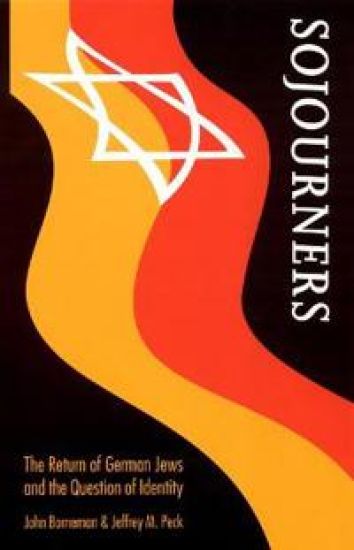
Sojourners

Sojourners

John Borneman; Jeffrey M. Peck

University of Nebraska Press
1995
sidottu
"A firsthand confrontation with the inner fears and the outer realities of [German Jews] as they themselves reflect post-Shoah history and experience. This is not merely lived 'history,' it is 'history' with a living face."—Sander L. Gilman This absorbing book of interviews takes one to the heart of modern German Jewish history. Of the eleven German Jews interviewed, four are from West Berlin, and seven are from East Berlin. The interviews provide an exceptionally varied and intimate portrait of Jewish experience in twentieth-century Germany. There are first-hand accounts of the Weimar Republic, the Nazi era, the Holocaust, and the divided Germany of the Cold War era. There are also vivid descriptions of the new united Germany, with its alarming resurgence of xenophobia and anti-Semitism. Some of the men and women interviewed affirm their dual German and Jewish identities with vigor. There is the West Berliner, for instance, who proclaims, "I am a German Jew. I want to live here." Others describe the impossibility of being both German and Jewish: "I don't have anything in common with the whole German people." Many confess to profound ambivalence, such as the East Berliner who feels that he is neither a native nor a foreigner in Germany: "If someone asks me, 'Who are you?' then I can only say, 'I am a fish out of water.'" Uncertain, angry, resolute, anguished—the diverse testimonies of these people provide startling evidence that "the history of German Jews is not over."
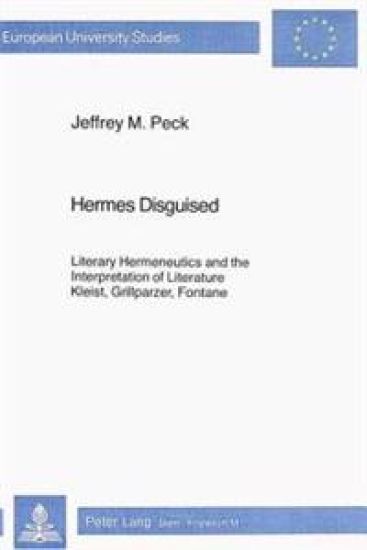
Hermes Disguised

Hermes Disguised

Jeffrey M. Peck

Peter Lang AG
1982
nidottu
Hermeneutics, defined as the theory of understanding and interpretation, has become a major concern for literary criticism in recent years. This study attempts to illustrate the natural connection of hermeneutics to literature through the interpretations of selected 19th century literary texts. Although hermeneutics has been presented traditionally in the context of the German philosophical tradition from Schleiermacher to Gadamer, these works show a sophisticated awareness of the categories of language and understanding which parallels and even supercedes concurrent trends in philosophical hermeneutics.