Kirjojen hintavertailu – 12 859 818 kirjaa ja 27 kauppaa

Kirjailija

Jeffrey Reaser

Kirjat ja teokset yhdessä paikassa: 5 kirjaa, julkaisuja vuosilta 2017–2025, suosituimpiin kuuluu Critical Language Pedagogy. Vertaile teosten hintoja ja tarkista saatavuus suomalaisista kirjakaupoista.

5 kirjaa

Kirjojen julkaisuvuodet: 2017–2025.

Language and Life on Ocracoke

Language and Life on Ocracoke

Jeffrey Reaser; Walt Wolfram; Candy Gaskill

THE UNIVERSITY OF NORTH CAROLINA PRESS
2025
pokkari
In this follow-up to the celebrated Hoi Toide on the Outer Banks, Jeffrey Reaser, Walt Wolfram, and Candy Caskill have produced the most comprehensive linguistic look at Ocracoke yet. Many visitors are drawn to Ocracoke's natural beauty and fascinating dialect, known as the Ocracoke Brogue. During the summer on the island, despite the required ferry ride to even set foot there, tourists (or as the locals might call them, dingbatters or tourons) can easily outnumber residents fifteen to one. Though small in number, O'Cockers remain as iconic as the lighthouse. The authors have continued to study Ocracoke and the Ocracoke Brogue while also participating in and partnering with the community itself. Building on the legacy of Hoi Toide, this book includes 120 new interviews with Ocracokers, documenting their evolving language and culture. With this prolonged and comprehensive approach to the region, the authors document the island's changes, providing readers with a deeply researched, empathetic, and engagingly written snapshot of one of North Carolina's most cherished places, one with a linguistic heritage worth celebrating.
Critical Language Pedagogy

Critical Language Pedagogy

Amanda J. Godley; Jeffrey Reaser

Peter Lang Publishing Inc
2018
sidottu
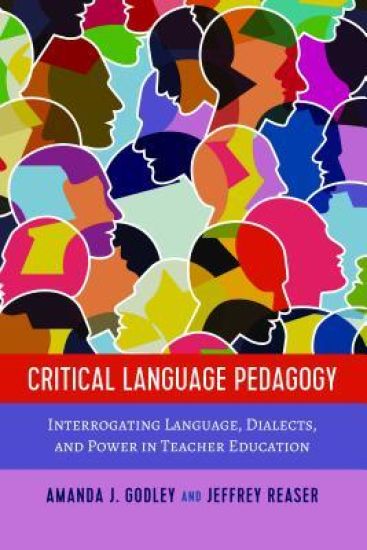
Critical Language Pedagogy: Interrogating Language, Dialects, and Power in Teacher Education demonstrates how critical approaches to language and dialects are an essential part of social justice work in literacy education. The text details the largest and most comprehensive study ever conducted on teachers’ language beliefs and learning about dialects, power, and identity. It describes the experiences of over 300 pre- and in-service teachers from across the United States who participated in a course on how to enact Critical Language Pedagogy in their English classrooms. Through detailed analyses and descriptions, the authors demonstrate how the course changed teachers’ beliefs about language, literacy, and their students. The book also presents information about the effectiveness of the mini-course, variations in the responses of teachers from different regions of the United States, and the varying language beliefs of teachers of color and White teachers. The authors present the entire mini-course so that readers can incorporate it into their own classes, making the book practical as well as informative for teachers, teacher educators, and educational researchers. Critical Language Pedagogy: Interrogating Language, Dialects, and Power in Teacher Education provides a much-needed theoretical explanation of Critical Language Pedagogy and, just as importantly, a detailed description of teacher learning and a Critical Language Pedagogy curriculum that readers can use in K-12, college, and teacher education classrooms.
Critical Language Pedagogy

Critical Language Pedagogy

Amanda J. Godley; Jeffrey Reaser

Peter Lang Publishing Inc
2018
nidottu
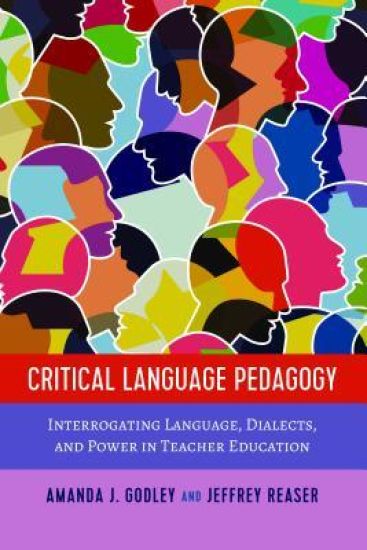
Critical Language Pedagogy: Interrogating Language, Dialects, and Power in Teacher Education demonstrates how critical approaches to language and dialects are an essential part of social justice work in literacy education. The text details the largest and most comprehensive study ever conducted on teachers’ language beliefs and learning about dialects, power, and identity. It describes the experiences of over 300 pre- and in-service teachers from across the United States who participated in a course on how to enact Critical Language Pedagogy in their English classrooms. Through detailed analyses and descriptions, the authors demonstrate how the course changed teachers’ beliefs about language, literacy, and their students. The book also presents information about the effectiveness of the mini-course, variations in the responses of teachers from different regions of the United States, and the varying language beliefs of teachers of color and White teachers. The authors present the entire mini-course so that readers can incorporate it into their own classes, making the book practical as well as informative for teachers, teacher educators, and educational researchers. Critical Language Pedagogy: Interrogating Language, Dialects, and Power in Teacher Education provides a much-needed theoretical explanation of Critical Language Pedagogy and, just as importantly, a detailed description of teacher learning and a Critical Language Pedagogy curriculum that readers can use in K-12, college, and teacher education classrooms.
Dialects at School

Dialects at School

Jeffrey Reaser; Carolyn Temple Adger; Walt Wolfram; Donna Christian

Routledge
2017
sidottu
Like its predecessor, Dialects in Schools and Communities, this book illuminates major language-related issues that educational practitioners confront, such as responding to dialect related features in students’ speech and writing, teaching Standard English, teaching students about dialects, and distinguishing dialect difference from language disorders. It approaches these issues from a practical perspective rooted in sociolinguistic research, with a focus on the research base for accommodating dialect differences in schools. Expanded coverage includes research on teaching and learning and attention to English language learners. All chapters include essential information about language variation, language attitudes, and principles of handling dialect differences in schools; classroom-based samples illustrating the application of these principles; and an annotated resources list for further reading. The text is supported by a Companion Website (www.routledge.com/cw/Reaser) providing additional resources including activities, discussion questions, and audio/visual enhancements that illustrate important information and/or pedagogical approaches. Comprehensive and authoritative, Dialects at School reflects both the relevant research bases in linguistics and education and educational practices concerning language variation. The problems and examples included are authentic, coming from the authors’ own research, observations and interactions in public school classrooms, and feedback in workshops. Highlights include chapters on oral language and reading and writing in dialectally diverse classrooms, as well as a chapter on language awareness for students, offering a clear and compelling overview of how teachers can inspire students to learn more about language variation, including their own community language patterns. An inventory of dialect features in the Appendix organizes and expands on the structural descriptions presented in the chapters.
Dialects at School

Dialects at School

Jeffrey Reaser; Carolyn Temple Adger; Walt Wolfram; Donna Christian

Routledge
2017
nidottu
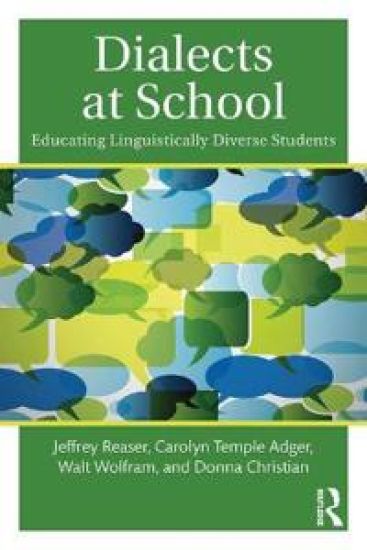
Like its predecessor, Dialects in Schools and Communities, this book illuminates major language-related issues that educational practitioners confront, such as responding to dialect related features in students’ speech and writing, teaching Standard English, teaching students about dialects, and distinguishing dialect difference from language disorders. It approaches these issues from a practical perspective rooted in sociolinguistic research, with a focus on the research base for accommodating dialect differences in schools. Expanded coverage includes research on teaching and learning and attention to English language learners. All chapters include essential information about language variation, language attitudes, and principles of handling dialect differences in schools; classroom-based samples illustrating the application of these principles; and an annotated resources list for further reading. The text is supported by a Companion Website (www.routledge.com/cw/Reaser) providing additional resources including activities, discussion questions, and audio/visual enhancements that illustrate important information and/or pedagogical approaches. Comprehensive and authoritative, Dialects at School reflects both the relevant research bases in linguistics and education and educational practices concerning language variation. The problems and examples included are authentic, coming from the authors’ own research, observations and interactions in public school classrooms, and feedback in workshops. Highlights include chapters on oral language and reading and writing in dialectally diverse classrooms, as well as a chapter on language awareness for students, offering a clear and compelling overview of how teachers can inspire students to learn more about language variation, including their own community language patterns. An inventory of dialect features in the Appendix organizes and expands on the structural descriptions presented in the chapters.