Kirjojen hintavertailu – 12 903 725 kirjaa ja 27 kauppaa

Kirjailija

Jeffrey S. Kaplan

Kirjat ja teokset yhdessä paikassa: 4 kirjaa, julkaisuja vuosilta 1999–2018, suosituimpiin kuuluu Using Literature to Help Troubled Teenagers Cope with Identity Issues. Vertaile teosten hintoja ja tarkista saatavuus suomalaisista kirjakaupoista.

4 kirjaa

Kirjojen julkaisuvuodet: 1999–2018.

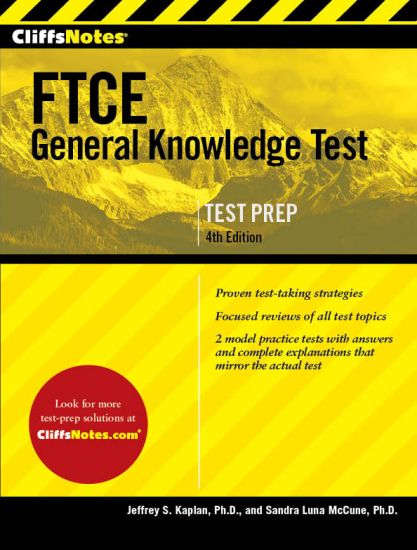
CliffsNotes FTCE General Knowledge Test

CliffsNotes FTCE General Knowledge Test

Jeffrey S. Kaplan; Sandra Luna McCune

Cliffsnotes
2018
nidottu
The exam that all future teachers in Florida need to take-the FTCE General Knowledge Test-is being revised. Offered year round by appointment, the general knowledge test is required for every educational specialty. Chapter reviews are dedicated to the four subtests that comprise the test: - Essays- English Language Skills- Reading- MathematicsIncluded in the package are two model full-length practice tests to ensure success on test-taking day.
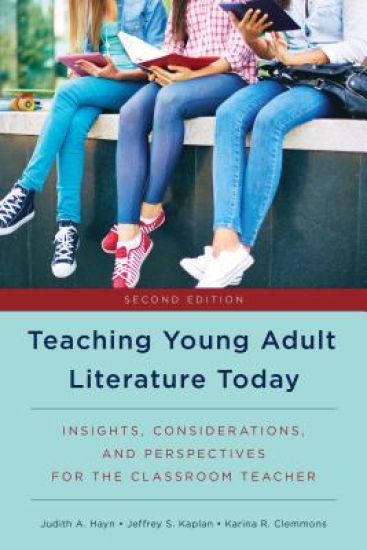
Teaching Young Adult Literature Today

Teaching Young Adult Literature Today

Judith A. Hayn; Jeffrey S. Kaplan; Karina R. Clemmons

Rowman Littlefield
2016
nidottu
Teaching Young Adult Literature Today introduces the reader to what is current and relevant in the plethora of good books available for adolescents. More importantly, literary experts illustrate how teachers everywhere can help their students become lifelong readers by simply introducing them to great reads—smart, insightful, and engaging books that are specifically written for adolescents. Hayn, Kaplan, and their contributors address a wide range of topics: how to avoid common obstacles to using YAL; selecting quality YAL for classrooms while balancing these with curriculum requirements; engaging disenfranchised readers; pairing YAL with technology as an innovative way to teach curriculum standards across all content areas. Contributors also discuss more theoretical subjects, such as the absence of lesbian, gay, bisexual, transgender and questioning (LGBTQ) young adult literature in secondary classrooms; and contemporary YAL that responds to the changing expectations of digital generation readers who want to blur the boundaries between page and screen. This book has been updated to reflect the wealth of new YA literature that has been published since the first edition appeared in March 2012, and to reflect new trends in technology that influences how adolescents are reading and responding to literature.
Teaching Young Adult Literature Today

Teaching Young Adult Literature Today

Judith A. Hayn; Jeffrey S. Kaplan; Karina R. Clemmons

Rowman Littlefield
2016
sidottu
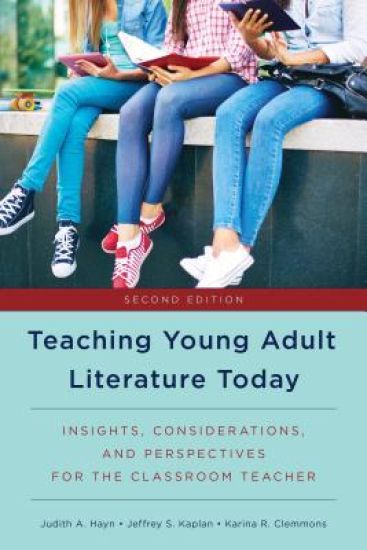
Teaching Young Adult Literature Today introduces the reader to what is current and relevant in the plethora of good books available for adolescents. More importantly, literary experts illustrate how teachers everywhere can help their students become lifelong readers by simply introducing them to great reads—smart, insightful, and engaging books that are specifically written for adolescents. Hayn, Kaplan, and their contributors address a wide range of topics: how to avoid common obstacles to using YAL; selecting quality YAL for classrooms while balancing these with curriculum requirements; engaging disenfranchised readers; pairing YAL with technology as an innovative way to teach curriculum standards across all content areas. Contributors also discuss more theoretical subjects, such as the absence of lesbian, gay, bisexual, transgender and questioning (LGBTQ) young adult literature in secondary classrooms; and contemporary YAL that responds to the changing expectations of digital generation readers who want to blur the boundaries between page and screen. This book has been updated to reflect the wealth of new YA literature that has been published since the first edition appeared in March 2012, and to reflect new trends in technology that influences how adolescents are reading and responding to literature.
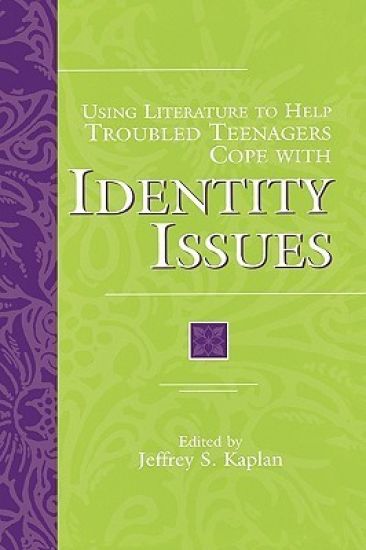
Using Literature to Help Troubled Teenagers Cope with Identity Issues
The search for one's identity is an ancient quest reflected throughout history in stories where human glory and conquest are often layered with great pain and self doubt, meant to help people discover themselves and who they are. Today, this quest is found prevalently in young adult novels, where characters wrestle with modern dilemmas in order to find themselves. This reference resource provides a link for teachers, media specialists, parents, and other adults to those novels and how to use them effectively. Educators and therapists explore the literature where common identity issues are addressed in ways intriguing to teens. Using fictional characters, these experts provide guidance on how to encourage adolescents to cope while improving their reading and writing skills. Twelve novels are examined from both a literary and psychological perspective, allowing the readers to meet the central figures as if they were living human beings. Each chapter is written by a literature specialist who has teamed up with a therapist and confronts a different identity issue, examining such dilemmas as body image, the father/son relationship, bigotry, and peer relations. This pair of experts tries to define the central character's struggle in each novel to discover who they are and to become self-actualized individuals. Each chapter also provides an annotated bibliography of other works, both fiction and nonfiction, that explore these same issues to give readers not only the insight into helping teenagers with similar problems, but also the tools with which to get teenagers reading and addressing these problems. This innovative approach is meant to provide the opportunity for adults and adolescents to better understand each other.