
Kirjojen hintavertailu – 12 903 725 kirjaa ja 27 kauppaa

Kirjailija

Jelle Haemers

Kirjat ja teokset yhdessä paikassa: 2 kirjaa, julkaisuja vuosilta 2009–2023, suosituimpiin kuuluu For the Common Good. Vertaile teosten hintoja ja tarkista saatavuus suomalaisista kirjakaupoista.

2 kirjaa

Kirjojen julkaisuvuodet: 2009–2023.

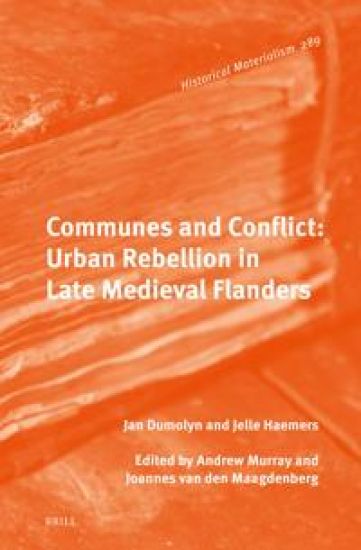
Communes and Conflict: Urban Rebellion in Late Medieval Flanders
In Communes and Conflict, Jan Dumolyn and Jelle Haemers explore the urban rebellions that regularly erupted in Flanders between the thirteenth and sixteenth centuries. They analyse not only how these rebellions were sparked and repressed, but also how they shaped the culture and identity of Flemish townspeople. Drawing from a wide range of theoretical methods and concepts, including those of discourse analysis, semiotics, speech acts, collective memory and material cultural studies, the authors return to key Marxist questions on ideology, labour and class interest to map the perspectives of the rebels, the urban patriciate and the Flemish and Burgundian nobility.

For the Common Good

For the Common Good

Jelle Haemers

Brepols N.V.
2009
pokkari
In 1477, the Low Countries were in chaos. On 5 January Charles the Bold, Duke of Burgundy, was killed in the battle of Nancy. His political adversaries used this fortuitous opportunity to reverse his much-hated policies. The late duke's confidents were executed, as nobles fled from court. The French king declared war on Charles' heir, Mary of Burgundy, and the cities rose in rebellion against the duchy. United in their opposition to the ducal court, the Estates-General instituted a new state structure which severely reduced the power of the central state. The duchess' new husband, Maximilian of Austria, was never able to dictate war policy nor appease the discontent of the populace, because his first priority was to strengthen the power of the Habsburg dynasty. In 1482, when Mary of Burgundy died after a tragic fall from her horse, revolt again spread across the county of Flanders. In this dramatic crisis that would last for a decade, central authority was again challenged by a political alternative, the Flemish regency council. This book examines the people behind the revolt. From a murky background of conflicting loyalties, it identifies the principal allies of the Habsburg dynasty and key political adversaries of Maximilian in the Flemish cities. An in-depth analysis of their lives and their socio-economic and cultural backgrounds on the eve of the Flemish Revolt elucidates their reasons for rebelling or remaining loyal to court. By focusing on disloyal nobles at court and urban dissenters in the county of Flanders, this book goes beyond previous studies of the revolt and offers new insights into the social history of medieval politics. In the end, readers will discover whether the court, the nobility, and the urban rebels were really striving for the goal they claimed, the common good.