

Kirjojen hintavertailu – 12 903 725 kirjaa ja 27 kauppaa

Kirjailija

Jenae M. Neiderhiser

Kirjat ja teokset yhdessä paikassa: 2 kirjaa, julkaisuja vuosilta 2003–2016, suosituimpiin kuuluu Behavioral Genetics. Vertaile teosten hintoja ja tarkista saatavuus suomalaisista kirjakaupoista.

2 kirjaa

Kirjojen julkaisuvuodet: 2003–2016.

Behavioral Genetics

Behavioral Genetics

Valerie S. Knopik; Jenae M. Neiderhiser; John C. DeFries; Robert Plomin

Worth Publishers
2016
sidottu
Authored by leading experts in the field, the new 7th edition of this classic text provides the most up-to-date and comprehensive introduction to behavioural genetics available today. Behavioural Genetics, 7th edition introduces students to the field’s underlying principles, defining experiments, on-going controversies, and most recent discoveries. The text provides students with an understanding of heredity, it’s DNA basis, the methods used to discover genetic influence on behaviour and identify specific genes. It then examines what is known about genetic influence on cognitive ability, psychopathology, substance abuse, personality, health psychology, and aging. Finally, it looks to the future of the field, where some of the most exciting developments in behavioural sciences are being made.
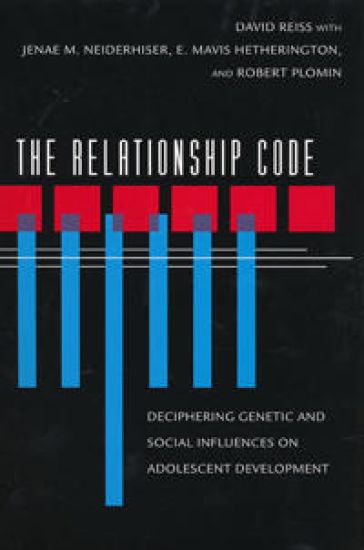
The Relationship Code

The Relationship Code

David Reiss; Jenae M. Neiderhiser; E. Mavis Hetherington; Robert Plomin

Harvard University Press
2003
nidottu
The Relationship Code is the report of a longitudinal study, conducted over a ten-year period, of the influence of family relationships and genetic factors on competence and psychopathology in adolescent development. The sample for this landmark study included 720 pairs of same-sex adolescent siblings—including twins, half siblings, and genetically unrelated siblings—and their parents. Using a clear expressive style, David Reiss and his coinvestigators identify specific mechanisms that link genetic factors and the social environment in psychological development. They propose a striking hypothesis: family relationships are crucial to the expression of genetic influences on a broad array of complex behaviors in adolescents. Moreover, this role of family relationships may be very specific: some genetic factors are linked to mother–child relationships, others to father–child relations, some to relationship warmth, while others are linked to relationship conflict or control. The specificity of these links suggests that family relationships may constitute a code for translating genetic influences into the ontogeny of behaviors, a code every bit as important for behavior as DNA-RNA.