

Kirjailija
Jennie Brand-Miller
Kirjat ja teokset yhdessä paikassa: 17 kirjaa, julkaisuja vuosilta 2005–2018, suosituimpiin kuuluu The Low GI Eating Plan for an Optimal Pregnancy: The Authoritative Science-Based Nutrition Guide for Mother and Baby. Vertaile teosten hintoja ja tarkista saatavuus suomalaisista kirjakaupoista.
17 kirjaa
Kirjojen julkaisuvuodet: 2005–2018.
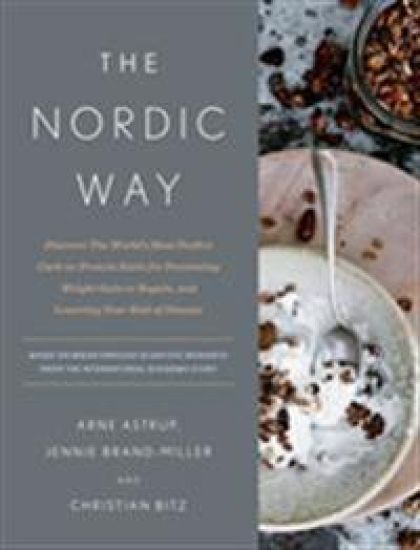
The Nordic Way: Discover the World's Most Perfect Carb-To-Protein Ratio for Preventing Weight Gain or Regain, and Lowering Your Risk of Disease: A Coo
Arne Astrup; Jennie Brand-Miller; Christian Bitz
Pam Krauss Books
2017
sidottu
Based on the practically perfect Nordic Diet, this gimmick-free and scientifically proven approach to eating will help you keep unwanted pounds off for good. Powerhouse experts Arne Astrup, Professor Jennie Brand-Miller, and Christian Bitz know that the Nordic Diet is the "best diet in the world" for getting healthy and staying lean, even into middle age and beyond. As leaders in obesity research, glycemic science, and healthy living, respectively, they've learned that eating a specific ratio of proteins, whole grains, and vegetables and incorporating traditional Nordic ingredients such as rye flour, skyr yogurt, and rapeseed oil into one's diet are the most effective paths to overall health and stable weight. There's complex science at work behind the Nordic Diet, yet it's remarkably simple and delicious to adopt. Readers will be able to see significant improvements in their health and weight--and even prevent the dreaded middle-age spread--without ever having to count a single calorie or eliminate carbs, dairy, and meat. Featuring an in-depth look at peer-reviewed studies that support the diet and more than 60 stunningly photographed recipes, The Nordic Way is the health-forward cookbook that readers need to get and stay healthy for life.

Low GI Diet Shopper's Guide
Jennie Brand-Miller; Kaye Foster-Powell; Fiona Atkinson
HACHETTE AUSTRALIA
2015
nidottu
Whether you eat paleo or gluten-free, high-carb, moderate or low, the LOW GI DIET SHOPPER'S GUIDE gives you the tools and tips you need to choose the best carbs. Newly updated with the latest values and products, this easy-to-use guide show the GI values of your favourite foods and preferred brands and helps you identify healthier low GI carbohydrate alternatives so that you can start making a difference to your diet. Included are: -GI values for over 1,000 foods and pre-prepared meals, including new products-User-friendly tables arranged by food category-Comprehensive data on carbs per serve and glycemic load-A shopping list of low GI essentials-Tips for meal-planning-Ideas for gluten-free meals-Advice about eating out and keeping low GI-The facts about sugars and sweetenersSubscribe for free to GI News - the official newsletter of the Glycemic Index Foundation - at www.gisymbol.com/ginews. The GI symbol is your guarantee that the GI value stated near the nutrition information label is accurate, helping you select smart low GI carbohydrate foods with confidence to lower the overall GI of your diet.www.gisymbol.comThe GI Symbol Program is run by the Glycemic Index Foundation, a not-for-profit organisation established by the University of Sydney, JDRF and Diabetes Australia.
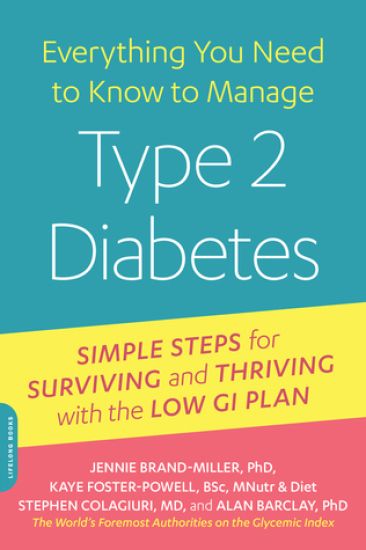
Everything You Need to Know to Manage Type 2 Diabetes: Simple Steps for Surviving and Thriving with the Low GI Plan
Jennie Brand-Miller; Kaye Foster-Powell; Stephen Colagiuri
Balance
2015
nidottu
Halvin toimitettuna 23,90 €
A practical, easy-to-use guide to help you manage type 2 diabetes or prediabetes If you are one of the millions of people living with diabetes or prediabetes, you may feel like you're inundated with information on how to manage your condition. The good news is that we now know a lot more about managing diabetes or reducing your risk of developing it -- and here, the world's foremost glycemic index experts share their wisdom. Rather than blind you with science or swamp you with facts, Everything You Need to Know to Manage Type 2 Diabetes sets out clearly and simply what you need to eat and do to help you: Reduce your risk of developing diabetes Improve your insulin sensitivity and your cardiovascular health Keep your blood glucose levels, blood pressure, and blood fats under control Reduce your body fat and maintain a healthy body With tips and strategies for working with your doctor, the most recent info on medications, and guidance on the best foods to eat (at home or at a restaurant), Everything You Need to Know to Manage Type 2 Diabetes offers uncomplicated, straightforward advice to help you survive -- and thrive.
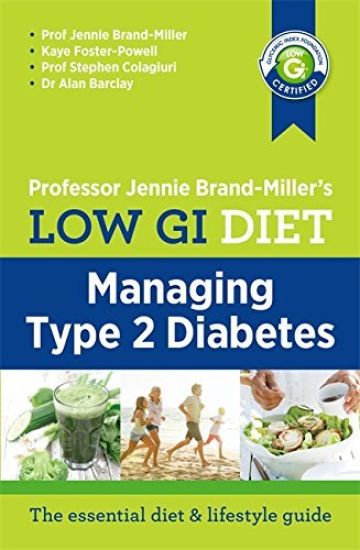
Low GI Managing Type 2 Diabetes
Jennie Brand-Miller; Kaye Foster-Powell; Stephen Colagiuri; Alan Barclay
Hachette Australia
2014
nidottu
Are you living with type 2 diabetes or pre-diabetes and trying to manage your condition? In Australia and New Zealand alone diabetes and pre-diabetes affect 1 in 4 people. Every day nearly 300 people, including children, develop type 2 diabetes and for every person diagnosed with diabetes there's someone else with undiagnosed diabetes. The good news is that we now know a lot more about managing diabetes or reducing your risk of developing it. LOW GI DIET: MANAGING TYPE 2 DIABETES cuts through the confusion of conflicting advice and sets out clearly and simply what you need to eat and do to help you: reduce your risk of developing diabetes; improve your cardiovascular health; keep your blood glucose levels, blood pressure and blood fats under control; and maintain a healthy body. This book is a practical guide to help you manage your diabetes or pre-diabetes with diet and lifestyle from the highly qualified, specialist team of authors led by world Low GI authority Professor Jennie Brand-Miller. It shows what you can do for yourself - and why. Best of all, this information is good advice for everyone in your family, not just you.
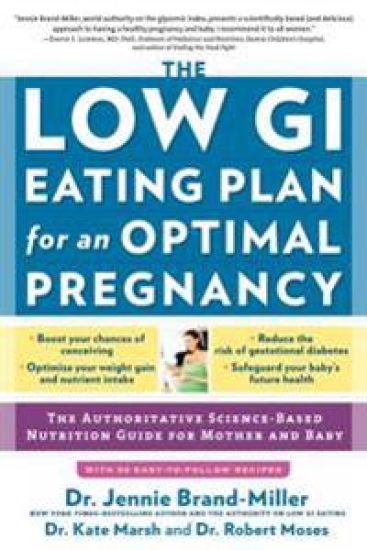
The Low GI Eating Plan for an Optimal Pregnancy: The Authoritative Science-Based Nutrition Guide for Mother and Baby
Jennie Brand-Miller; Kate Marsh; Robert Moses
Experiment
2013
nidottu
The Low GI Eating Plan for an Optimal Pregnancy--written by the world's leading experts on the glycemic index (GI)--will help you to clearly understand the connection between the food you eat, your blood glucose levels, and your baby's future health. The focus is on low GI carbohydrates--vital at this time, because reducing the GI of your diet is one of the safest and most effective ways to ensure that your baby grows at the optimal rate, without you gaining excessive body fat and without compromising nutrition during this important stage of life. This book will show you how to optimize your diet--pre-conception, during pregnancy, and once your child has been born--to ensure a healthy baby and a healthy mom, and includes: - What to be aware of once you're eating for two - How to ensure your weight gain is healthy - The importance of blood glucose in pregnancy (and why gestational diabetes is a big deal) - 8 guiding principles that make it easy to put everything into practice - The best foods to eat--as well as the ones to avoid - 50 delicious, quick, and easy low GI recipes, plus sample menu ideas - Helpful checklists and guidance on how to exercise safely. The Low GI Eating Plan for an Optimal Pregnancy is the only book specifically for pregnancy written by internationally recognized scientists qualified in nutrition, dietetics, and diabetes. It is an essential, authoritative guide for all mothers-to-be and new moms.
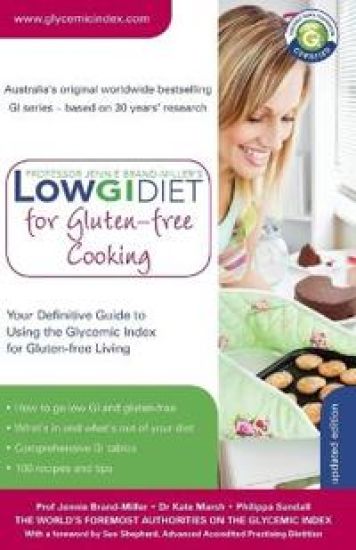
Low GI Diet for Gluten-free Cooking
Philippa Sandall; Kate Marsh; Jennie Brand-Miller
HACHETTE AUSTRALIA
2012
pokkari
The best-selling gluten-free recipe book in fresh new livery and a convenient smaller format. More than 200,000 Australians have coeliac disease, and many others with gluten intolerance or other conditions are discovering the benefits of switching to a gluten-free diet. Widely recognised as the most significant dietary finding of the last twenty-five years, the gylcemic index (GI) is an easy-to-understand measure of how foods affect blood glucose levels. Low-GI diets improve health and weight control, lower 'bad' cholesterol and help prevent or reduce your risk of type 2 diabetes, heart disease, cancer and other chronic diseases. In LOW GI DIET FOR GLUTEN-FREE COOKING the best-selling Low GI Diet team explain clearly and simply how to combine the ground rules of a gluten-free diet with the lifelong health benefits of low-GI eating to enable you to live well and stay healthy. Includes: 7 simple dietary guidelines for eating gluten-free and low GI; How to find and source gluten-free products; Low-GI substitutes for common high-GI foods; 100 delicious, easy-to-prepare recipes with dishes for each meal of the day; GI tables with values for popular gluten-free foods.
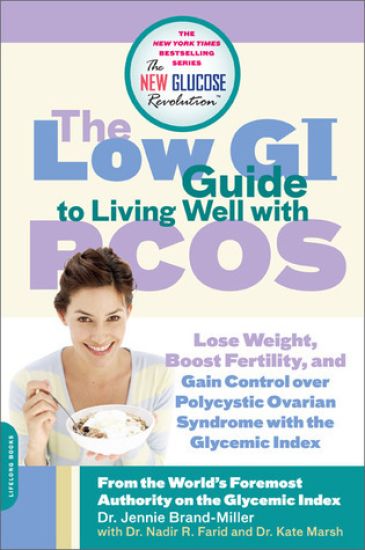
The Low GI Guide to Living Well with PCOS
Nadir Farid; Kate Marsh; Jennie Brand-Miller
Da Capo Lifelong
2011
pokkari
The Only Book You Will Ever Need for Managing PCOS- Completely Revised and Updated What exactly is PCOS? What are the signs and symptoms? How is the diagnosis confirmed? What causes it? And most importantly, what can you do about it? If you've been diagnosed with polycystic ovarian syndrome (PCOS) or suspect you have it, and you're looking for a way to manage your condition, you've come to the right place. In this newly revised edition of Living Well with PCOS , Dr. Jennie Brand-Miller and PCOS experts Drs. Nadir Farid and Kate Marsh address the root cause of PCOS- insulin resistance- and show you how eating a low-GI diet can help alleviate even your most troublesome symptoms, including weight gain, infertility, unsightly hair growth, irregular cycles, and fatigue. This all-new second edition features: type="disc" The latest up-to-date research on PCOS and its treatment type="disc" New quick-and-easy low-GI recipes type="disc" Low-GI kick-start menus- with vegetarian and gluten-free options type="disc" Easy-to-use tables of GI values type="disc" Tips for a more active lifestyle real-life stories from women who have used the GI to successfully combat PCOS
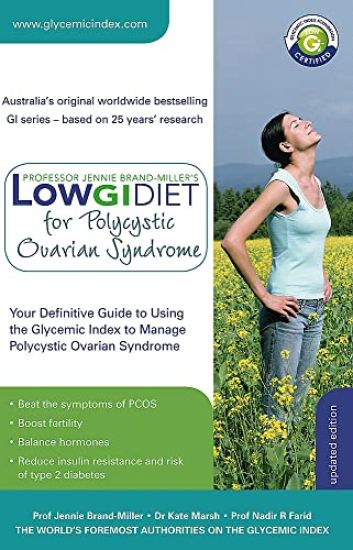
Low GI Diet for Polycystic Ovarian Syndrome
Nadir Farid; Kate Marsh; Jennie Brand-Miller
HACHETTE AUSTRALIA
2011
pokkari
If you've been diagnosed with polycystic ovarian syndrome (PCOS) or suspect you have it, this book provides advice about how to manage your condition, and shows how eating the healthy low GI way can help you take control. This updated edition is companion to Australia's original New York Times bestseller, the LOW GI DIET HANDBOOK and is filled with indispensable advice on switching to a low GI diet. The authors' total lifestyle approach includes: - Easy-to-understand information on low GI carbs and their benefits for PCOS - Practical tips to make low GI eating and regular exercise a way of life - An at-a-glance guide to the GI and glycemic load values of more than 1000 foods - How to beat the symptoms of PCOS - How to boost fertility - How to balance hormones - How to reduce insulin resistance - How to reduce the risk of diabetes Start eating towards good health today
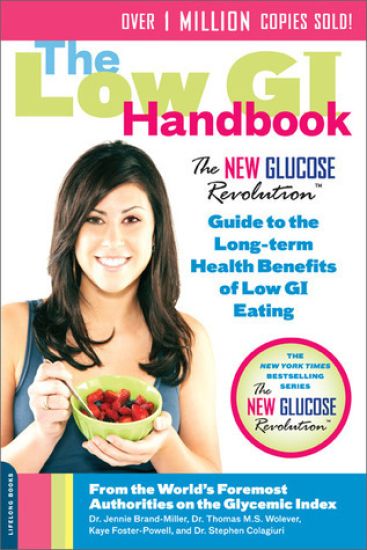
The Low GI Handbook
Jennie Brand-Miller; Kaye Foster-Powell; Stephen Colagiuri; Thomas Wolever
Da Capo Lifelong
2010
pokkari
With over 1 million copies sold of the three previous editions, The New Glucose Revolution is the go-to book for all things GI. Now in its fourth edition, The New Glucose Revolution is completely revised and updated, expanding on the most recent scientific findings related to GI and health. It includes new chapters dedicated to pre-diabetes, pregnancy, and heart health easy and delicious recipes weekly low-GI menu ideas and the GI values for more than 900 different foods and drinks, plus saturated fat and carbohydrate contents listed. On the heels of Dr. David Jenkins' ground-breaking GI study (one of the largest and longest to assess the impact of foods with a low GI), the time is right to adopt and maintain a low-GI lifestyle. If you want to lose weight manage your diabetes and improve your blood glucose levels, cardiovascular health, and sense of well-being, this is the book for you.
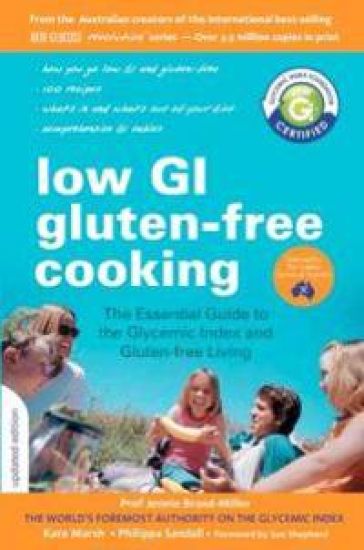
Low GI Gluten-Free Cooking
Jennie Brand-Miller; Kate Marsh; Philippa Sandall
Hachette Australia
2009
nidottu
The best-selling Gluten-free recipe book, still in original livery and trade-paperback format while stocks last. More than 200 000 Australians have coeliac disease, and many others with gluten intolerance or other conditions are discovering the benefits of switching to a gluten-free diet. Widely recognised as the most significant dietary finding of the last twenty-five years, the gylcemic index (GI) is an easy-to-understand measure of how foods affect blood glucose levels. Low-GI diets improve health and weight control, lower 'bad' cholesterol and help prevent or reduce your risk of type 2 diabetes, heart disease, cancer and other chronic diseases. In LOW GI GUIDE TO GLUTEN-FREE COOKING the bestselling New Glucose Revolution team explain clearly and simply how to combine the ground rules of a gluten-free diet with the lifelong health benefits of low-GI eating to enable you to live well and stay healthy. Including: * 7 simple dietary guidelines for eating gluten-free and low GI * how to find and source gluten-free products * low-GI substitutes for common high-GI foods * 100 delicious, easy-to-prepare recipes with dishes for each meal of the day * GI tables with values for popular gluten-free foods.
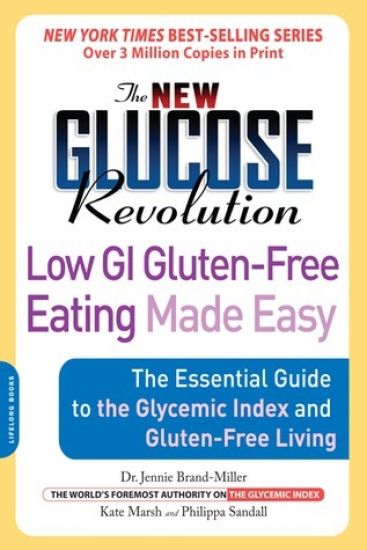
The New Glucose Revolution Low GI Gluten-Free Eating Made Easy
Jennie Brand-Miller; Kate Marsh; Philippa Sandall
Da Capo Press Inc
2008
pokkari
More than two million North Americans have celiac disease and must follow a gluten-free diet-but the absence of grains and the higher fat and sugar content of many gluten-free products can cause health problems and nutrient deficiencies. Now, The New Glucose Revolution Low GI Gluten-Free Eating Made Easy simplifies the challenges of a gluten-free diet-and emphasizes the lifelong health benefits of low-GI, gluten-free eating. Widely recognized as the most significant dietary finding of the last 25 years, the glycemic index (GI) is an easy-to-understand measure of how foods affect blood glucose levels. Low-GI diets improve health and weight control, lower "bad" cholesterol, and help prevent or reduce your risk of type 2 diabetes, heart disease, cancer, and other chronic diseases. This clear, accessible guide has everything you need to know for healthful gluten-free eating, including Seven simple dietary guidelines for eating gluten-free and low GI A guide to finding and buying gluten-free products Low-GI substitutes for common high-GI (albeit gluten-free) foods Cutting-edge scientific findings on the benefits of eating low-GI foods 70 delicious, easy-to-prepare recipes include dishes for each meal of the day GI values of hundreds of popular gluten-free foods The New Glucose Revolution Low GI Gluten-Free Eating Made Easy is the definitive resource to healthy living for everyone with celiac disease, gluten intolerance, or other wheat sensitivities.
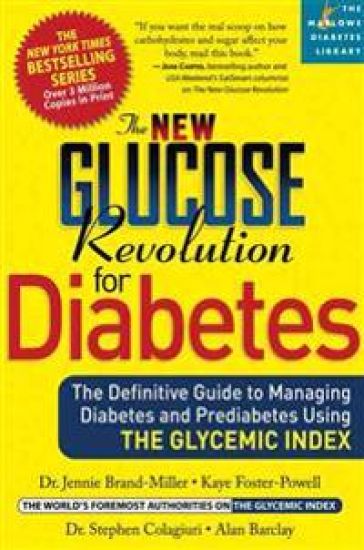
The New Glucose Revolution for Diabetes
Jennie Brand-Miller; Kaye Foster-Powell; Stephen Colagiuri
Marlowe Co
2007
pokkari
The New Glucose Revolution for Diabetes is the first comprehensive guide to using the glycemic index to control type 1 diabetes, type 2 diabetes, prediabetes, and more. The book features the latest, most accurate information with new findings by the authors. It includes GI-based recipes and menus for type 1, type 2, prediabetes, gestational diabetes, and juvenile diabetes, as well as related conditions like obesity and celiac disease, plus practical dietary guidance on sugar, sweeteners, alcohol, snacking, and eating out.
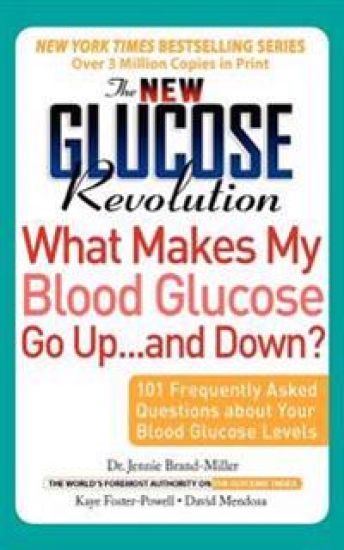
The New Glucose Revolution What Makes My Blood Glucose Go Up . . . and Down?
David Mendosa; Jennie Brand-Miller; Kaye Foster-Powell
Marlowe Co
2006
pokkari
Dr. Jennie Brand-Miller and Kaye Foster-Powell -- authors of the New York Times best-seller The New Glucose Revolution,-- and David Mendosa, a leading diabetes journalist, answer the most frequently asked questions about blood glucose levels. They address a wide range of concerns, correct common misconceptions, and educate how best to monitor and control glucose levels. Among the questions addressed are: What is a normal blood glucose level? What can I do to bring down my blood glucose levels when they're high? Can being stressed really have something to do with my high blood glucose? Which carbohydrates will raise my blood glucose the least? What is the glycemic index? When I crave something sweet, what should I have? This book is for everyone with type 1 or type 2 diabetes, prediabetes, those who experience blood sugar lows (or highs) during the course of a day, people clinically diagnosed with hypoglycemia or hyperglycemia, those with the metabolic syndrome or Syndrome X, and everyone interested in taking preventative measures to preserve good health. An indispensable guide, this book is for those who want clear, scientifically-based information about the connection between food, exercise, weight, and blood glucose levels.
New Glucose Revolution Low GI Guide to Losing Weight
Jennie Brand-Miller; Johanna Burani; Kaye M. Foster-Powell
Marlowe Co
2005
pokkari
When it comes to losing weight, not all foods are created equal. The glycemic index--an easy-to-understand ranking of foods, most notably carbohydrates, based on the rate at which the body metabolizes them--can help people choose the right foods to eat in their quest to lose weight and keep it off. Written by the world's leading authorities on the glycemic index, The New Glucose Revolution Low GI Guide to Losing Weight answers the questions most frequently asked by dieters about low-GI foods, recounts success stories about people who have lost weight by making the switch to a low-GI diet, includes a week's worth of low-GI meal plans, and much more.
The New Glucose Revolution Low GI Eating Made Easy
Jennie Brand-Miller; Kaye Foster-Powell; Philippa Sandall
Marlowe Co
2005
pokkari
In Everyday Low GI Eating, the authors of the New York Times bestseller The New Glucose Revolution show readers how to choose low-GI carbohydratesthe ones that produce only small fluctuations in our blood glucose levelsso that they feel fuller longer and increase their energy levels, making weight loss achievable and sustainable. Jennie Brand-Miller and Kaye-Foster-Powell, along with Philippa Sandall, offer a simple overview of the GI and why it's such an effective dietary tool; a list of the top 100 low-GI foods divided into easy-to-follow sections such as fruit and veggies, breads and cereals, legumes, nuts, and indulgences; tips on low-GI cooking and shopping; and much more. Complete with a 7-day low-GI meal plan to start readers off on the right foot, Everyday Low GI Eating is a one-stop resource for all those looking for an easy way to make the switch to a low-GI lifestyle.
What Makes My Blood Glucose Levels Go Up...And Down?
Jennie Brand-Miller; Kaye Foster-Powell; David Mendosa
Vermilion
2005
pokkari
This accessible, informative book answers the most frequently asked questions about blood glucose levels. The authors address a wide range of concerns, correct common misconceptions and set out to educate how best to monitor and control blood glucose levels to maintain optimum health. Among the questions they address are:- What is a normal blood glucose level?- What is the glycaemic index?- What can I do to bring my blood glucose levels down?- Which carbohydrates will raise my blood glucose the least?- There are times when I crave something sweet. What should I have? Also included is a handy A-Z table of glycaemic index values for hundreds of foods and beverages. This is an indispensable guide for everyone seeking clear, scientifically-based information about the links between food, exercise, weight and blood glucose levels.