Kirjojen hintavertailu – 12 859 829 kirjaa ja 27 kauppaa

Kirjailija

Jennifer Bachner

Kirjat ja teokset yhdessä paikassa: 4 kirjaa, julkaisuja vuosilta 2020–2023, suosituimpiin kuuluu Warping Time. Vertaile teosten hintoja ja tarkista saatavuus suomalaisista kirjakaupoista.

4 kirjaa

Kirjojen julkaisuvuodet: 2020–2023.

Warping Time

Warping Time

Benjamin Ginsberg; Jennifer Bachner

THE UNIVERSITY OF MICHIGAN PRESS
2023
sidottu
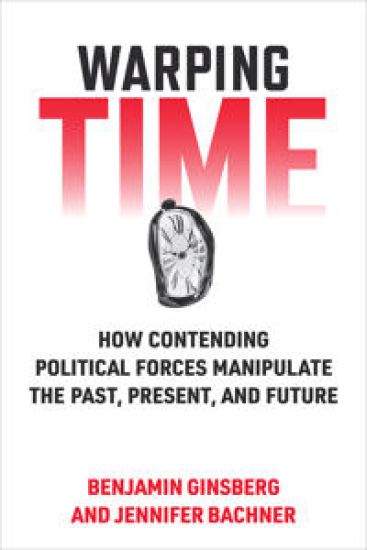
Warping Time shows how narratives of the past influence what people believe about the present and future state of the world. In Benjamin Ginsberg and Jennifer Bachner’s simple experiments, in which the authors measured the impact of different stories their subjects heard about the past, these “history lessons” moved contemporary policy preferences by an average of 16 percentage points; forecasts of the future moved contemporary policy preferences by an average of 12 percentage points; the two together moved preferences an average of 21 percentage points. And, in an Orwellian twist, the authors estimate that the “history lessons” had an average “erasure effect” of 8.5 percentage points—the difference between those with long-held preferences and those who did not recall that they previously held other opinions before participating in the experiment. The fact that the past, present, and future are subject to human manipulation suggests that history is not simply the product of impersonal forces, material conditions, or past choices. Humans are the architects of history, not its captives. Political reality is tenuous. Changes in our understanding of the past or future can substantially alter perceptions of and action in the present. Finally, the manipulation of time, especially the relationship between past and future, is a powerful political tool.
Warping Time

Warping Time

Benjamin Ginsberg; Jennifer Bachner

THE UNIVERSITY OF MICHIGAN PRESS
2023
nidottu
Warping Time shows how narratives of the past influence what people believe about the present and future state of the world. In Benjamin Ginsberg and Jennifer Bachner’s simple experiments, in which the authors measured the impact of different stories their subjects heard about the past, these “history lessons” moved contemporary policy preferences by an average of 16 percentage points; forecasts of the future moved contemporary policy preferences by an average of 12 percentage points; the two together moved preferences an average of 21 percentage points. And, in an Orwellian twist, the authors estimate that the “history lessons” had an average “erasure effect” of 8.5 percentage points—the difference between those with long-held preferences and those who did not recall that they previously held other opinions before participating in the experiment. The fact that the past, present, and future are subject to human manipulation suggests that history is not simply the product of impersonal forces, material conditions, or past choices. Humans are the architects of history, not its captives. Political reality is tenuous. Changes in our understanding of the past or future can substantially alter perceptions of and action in the present. Finally, the manipulation of time, especially the relationship between past and future, is a powerful political tool.
America's State Governments

America's State Governments

Jennifer Bachner; Benjamin Ginsberg

Routledge
2020
sidottu
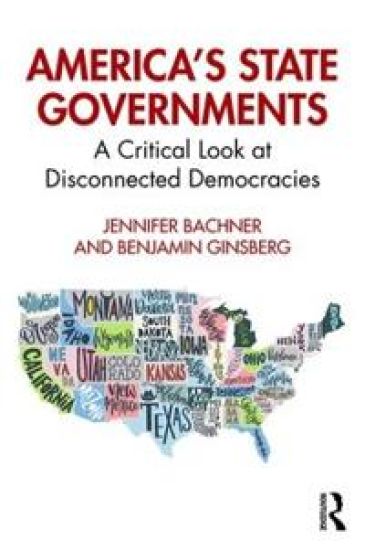
This timely and important new work takes a critical look at government in the American states and illustrates the disconnect between state government institutions and their constituents. The text illuminates three basic political problems of state governments: weak constitutional and institutional foundations; a lack of civic engagement; and long histories of unchecked public corruption. In addition, the book explains why some states did and others did not respond promptly to the COVID-19 pandemic and examines America's long-standing problem of police and prosecutorial misconduct–providing a context for understanding the demonstrations and protests that rocked American cities in the summer of 2020. For students and citizens of state politics, the book concludes with a proposal aimed at civic literacy and action
America's State Governments

America's State Governments

Jennifer Bachner; Benjamin Ginsberg

Routledge
2020
nidottu
This timely and important new work takes a critical look at government in the American states and illustrates the disconnect between state government institutions and their constituents. The text illuminates three basic political problems of state governments: weak constitutional and institutional foundations; a lack of civic engagement; and long histories of unchecked public corruption. In addition, the book explains why some states did and others did not respond promptly to the COVID-19 pandemic and examines America's long-standing problem of police and prosecutorial misconduct–providing a context for understanding the demonstrations and protests that rocked American cities in the summer of 2020. For students and citizens of state politics, the book concludes with a proposal aimed at civic literacy and action