Kirjojen hintavertailu – 12 859 827 kirjaa ja 27 kauppaa

Kirjailija

Jennifer Powell McNutt

Kirjat ja teokset yhdessä paikassa: 6 kirjaa, julkaisuja vuosilta 2014–2024, suosituimpiin kuuluu Mary We Forgot. Vertaile teosten hintoja ja tarkista saatavuus suomalaisista kirjakaupoista.

6 kirjaa

Kirjojen julkaisuvuodet: 2014–2024.

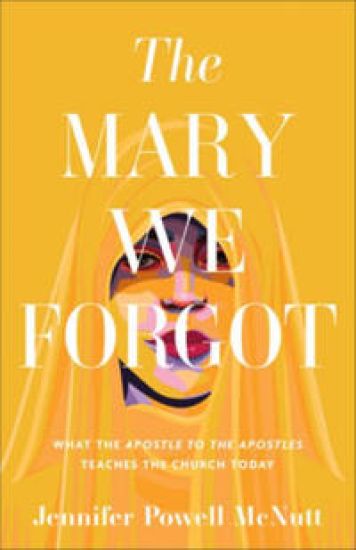
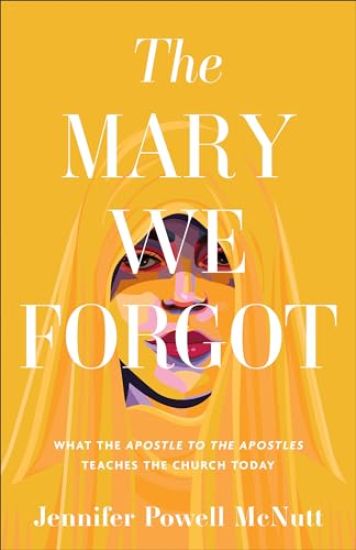
The Mary We Forgot

The Mary We Forgot

Jennifer Powell McNutt; Esau McCaulley

BAKER PUBLISHING GROUP
2024
nidottu
2025 ECPA Christian Book Award Finalist (Christian Living)Mary Magdalene's life was transformed when she was healed by Christ and joined his ministry from Galilee to Jerusalem. The Gospels teach that she was also a witness at the cross and the first one sent by Christ to preach his resurrection. Yet her story is often confused, scandalized, and undervalued by the church. In The Mary We Forgot, award-winning church historian and theologian Jennifer Powell McNutt unpacks Scripture and history to reveal the real Mary Magdalene: the first apostle of the good news and a model of discipleship for both men and women today. McNutt also invites readers along on her journey through southern France, tracing the path remembered by some church traditions as where Mary Magdalene spread the gospel. Christians will learn from the disciple known as the "apostle to the apostles" how to embrace Jesus's calling to "go and tell" with faith and courage. They'll also be encouraged by the reminder that God calls ordinary, imperfect, and unexpected people to share the good news of Jesus Christ. The hope of remembering Mary Magdalene is ultimately to better know the one to whom she pointed, the risen Christ.
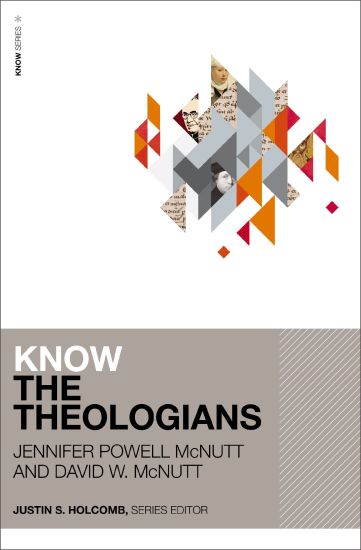
Know the Theologians

Know the Theologians

Jennifer Powell McNutt; David McNutt; Alister McGrath

ZONDERVAN
2024
nidottu
Finalist for the 2025 Christianity Today Book Award in Popular TheologyKnow the Theologians is an introduction to the most important thinkers throughout church history and a demonstration of their ongoing relevance for believers today. The Bible describes the church as a kind of family. Those who believe in Christ are sisters and brothers in the faith, whether they live at the same time or are separated by centuries. For that reason, believers today need to know our family members who have come before and shaped our beliefs and practices now. In Know the Theologians, professors and authors Jennifer Powell McNutt and David W. McNutt introduce the most significant thinkers in the church's history. McNutt and McNutt survey over a dozen primary figures, including Eastern Orthodox, Roman Catholic, and Protestant theologians, who represent the breadth and depth of the church's theology. The book explores how they fit into their own time period and also draws attention to the theological voices of women throughout the church's history. Every chapter includes short sidebars on figures contemporary to the main theologians, bringing in additional important voices. This book has everything you need for a full personal or group study experience. As part of the KNOW series, Know the Theologians is designed for either personal study or classroom use, and it will also be an accessible resource for small groups and adult education in churches. Chapters end with reflection questions and recommended reading for further study. An individual access code to stream all video sessions online. (You don’t need to buy a DVD!)Sessions and video run times:0. Introduction (6:30)1. Irenaeus of Lyons (17:00)2. Athanasius of Alexandria (24:30)3. The Cappadocian Four (16:00)4. Augustine of Hippo (14:30)5. John of Damascus (17:00)6. Anselm of Canterbury (19:00)7. Julian of Norwich (20:30)8. Thomas Aquinas (19:00)9. Martin Luther (22:00)10. John Calvin (25:30)11. Menno Simons (21:30)12. Teresa of Avila (19:30)13. The Wesley Brothers (21:00)14. Friedrich Schleiermacher (12:00)15. Karl Barth (14:00)16. Gustavo Gutiérrez (30:30)Streaming video access code included.? Access code subject to expiration after 4/2/2029. Code may be redeemed only by the recipient of this package. Code may not be transferred or sold separately from this package. Internet connection required. Void where prohibited, taxed, or restricted by law. Additional offer details inside.
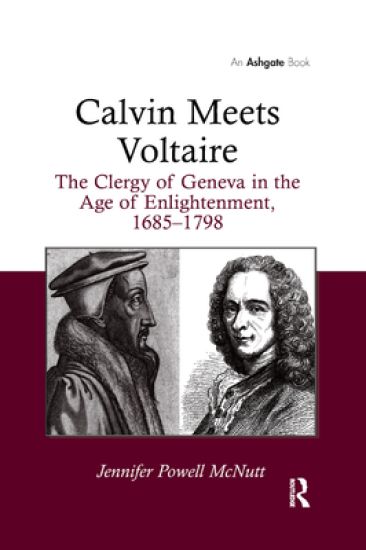
Calvin Meets Voltaire

Calvin Meets Voltaire

Jennifer Powell McNutt

Routledge
2019
nidottu
In 1754, Voltaire, one of the most famous and provocative writers of the period, moved to the city of Geneva. Little time passed before he instigated conflict with the clergy and city as he publicly maligned the memory of John Calvin, promoted the culture of the French theater, and incited political unrest within Genevan society. Conflict with the clergy reached a fever pitch in 1757 when Jean d’Alembert published the article ’Genève’ for the Encyclopédie. Much to the consternation of the clergy, his article both castigated Calvin and depicted his clerical legacy as Socinian. Since then, little has been resolved over the theological position of Calvin’s clerical legacy while much has been made of their declining significance in Genevan life during the Enlightenment era. Based upon a decade of research on the sources at Geneva’s Archives d'État and Bibliothèque de Genève, this book provides the first comprehensive monograph devoted to Geneva’s Enlightenment clergy. Examination of the social, political, theological, and cultural encounter of the Reformation with the Enlightenment in the figurative meeting of Calvin and Voltaire brings to light the life, work, and thought of Geneva’s eighteenth-century clergy. In addition to examination of the convergence with the philosophes, prosopographical research uncovers clerical demographics at work. Furthermore, the nature of clerical involvement in Genevan society and periods of political unrest are considered along with the discovery of a ’Reasonable Calvinism’ at work in the public preaching and liturgy of Genevan worship. This research moves Geneva’s narrative beyond a simplistic paradigm of ’decline’ and secularization, offers further evidence for a revisionist understanding of the Enlightenment’s engagement with religion, and locates Geneva’s clergy squarely in the newly emerging category of the ’Religious Enlightenment.’ Finally, the significance of French policy from the Revocat
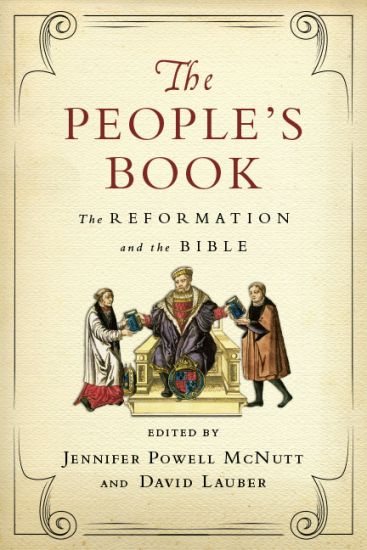
The People`s Book – The Reformation and the Bible

The People`s Book – The Reformation and the Bible

Jennifer Powell Mcnutt; David Lauber

Inter-Varsity Press,US
2017
nidottu
Five hundred years ago, Martin Luther's Ninety-Five Theses caught Europe by storm and initiated the Reformation, which fundamentally transformed both the church and society. Yet by Luther's own estimation, his translation of the Bible into German was his crowning achievement. The Bible played an absolutely vital role in the lives, theology, and practice of the Protestant Reformers. In addition, the proliferation and diffusion of vernacular Bibles—grounded in the original languages, enabled by advancements in printing, and lauded by the theological principles of sola Scriptura and the priesthood of all believers—contributed to an ever-widening circle of Bible readers and listeners among the people they served. This collection of essays from the 2016 Wheaton Theology Conference—the 25th anniversary of the conference—brings together the reflections of church historians and theologians on the nature of the Bible as "the people's book." With care and insight, they explore the complex role of the Bible in the Reformation by considering matters of access, readership, and authority, as well as the Bible's place in the worship context, issues of theological interpretation, and the role of Scripture in creating both division and unity within Christianity. On the 500th anniversary of this significant event in the life of the church, these essays point not only to the crucial role of the Bible during the Reformation era but also its ongoing importance as "the people's book" today.
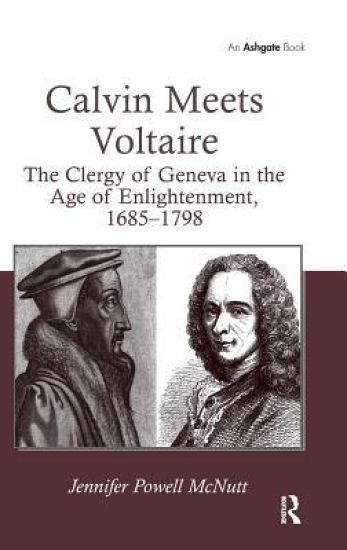
Calvin Meets Voltaire

Calvin Meets Voltaire

Jennifer Powell McNutt

Ashgate Publishing Limited
2014
sidottu
In 1754, Voltaire, one of the most famous and provocative writers of the period, moved to the city of Geneva. Little time passed before he instigated conflict with the clergy and city as he publicly maligned the memory of John Calvin, promoted the culture of the French theater, and incited political unrest within Genevan society. Conflict with the clergy reached a fever pitch in 1757 when Jean d’Alembert published the article ’Genève’ for the Encyclopédie. Much to the consternation of the clergy, his article both castigated Calvin and depicted his clerical legacy as Socinian. Since then, little has been resolved over the theological position of Calvin’s clerical legacy while much has been made of their declining significance in Genevan life during the Enlightenment era. Based upon a decade of research on the sources at Geneva’s Archives d'État and Bibliothèque de Genève, this book provides the first comprehensive monograph devoted to Geneva’s Enlightenment clergy. Examination of the social, political, theological, and cultural encounter of the Reformation with the Enlightenment in the figurative meeting of Calvin and Voltaire brings to light the life, work, and thought of Geneva’s eighteenth-century clergy. In addition to examination of the convergence with the philosophes, prosopographical research uncovers clerical demographics at work. Furthermore, the nature of clerical involvement in Genevan society and periods of political unrest are considered along with the discovery of a ’Reasonable Calvinism’ at work in the public preaching and liturgy of Genevan worship. This research moves Geneva’s narrative beyond a simplistic paradigm of ’decline’ and secularization, offers further evidence for a revisionist understanding of the Enlightenment’s engagement with religion, and locates Geneva’s clergy squarely in the newly emerging category of the ’Religious Enlightenment.’ Finally, the significance of French policy from the Revocat