Kirjojen hintavertailu – 12 876 344 kirjaa ja 26 kauppaa
Kirjailija
Jens Müller
Kirjat ja teokset yhdessä paikassa: 33 kirjaa, julkaisuja vuosilta 1992–2026, suosituimpiin kuuluu Computer. Vertaile teosten hintoja ja tarkista saatavuus suomalaisista kirjakaupoista.
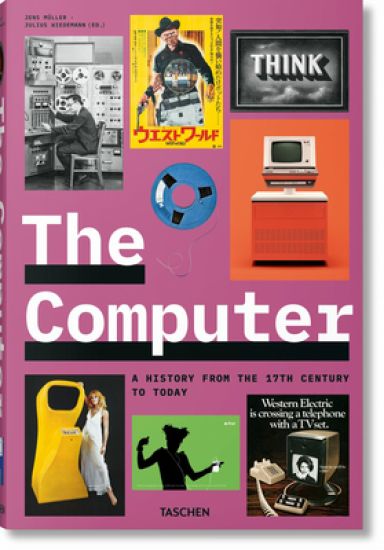
From analog to digital, mainframes to mobile phones-with photos, ads, and concept drawings of inventions that ushered in the digital era, this visual survey of the Information Age reveals how the computer and the Internet irreversibly transformed our world.
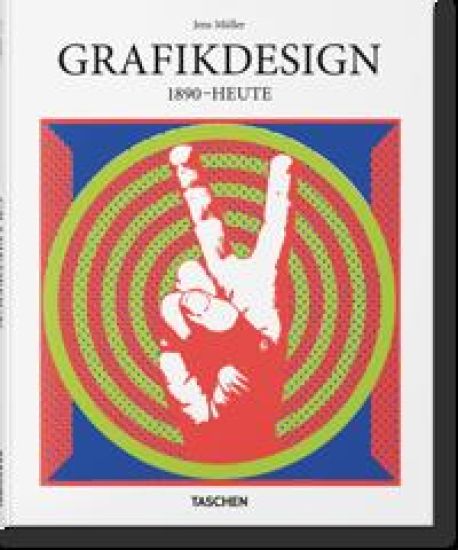
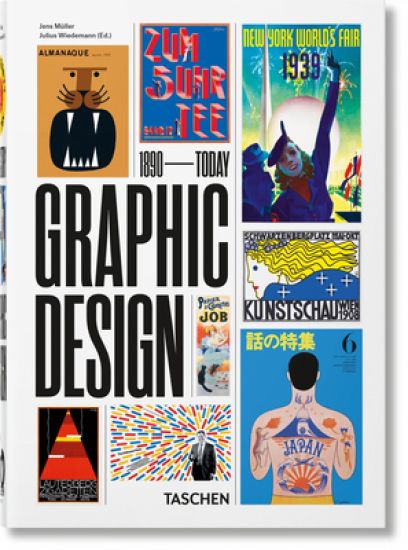
Through the turbulent events of the last century-and-a-half, graphic design—with its vivid, neat synthesis of image and idea—has distilled the spirit of each age. It surrounds us every minute of the day, from minimalist packaging to colorful adverts, environmental graphics to sleek interfaces: graphic design is as much about reflecting society’s aspirations and values as it is about transmitting information. Now published as part of our popular Basic Art series, this vibrant compendium lays out the evolution of graphic design from its inception in the 1890s up until the present day. Using his sweeping knowledge of the field, author Jens Müller has curated hundreds of examples from across the globe, arranged by decade. Each chapter also includes thumbnails of significant movements and influential publications, plus concise biographies of design masterminds like Massimo Vignelli (New York subway wayfinding), Otl Aicher (Lufthansa identity), Paula Scher (Citibank identity), Milton Glaser (I Love New York), Louise Fili (packaging), and Stefan Sagmeister (handwritten posters). This succinct but authoritative collection reflects on the development of a creative field that is constantly changing and challenging itself. The design classics Müller has curated act as coordinates, helping to trace the incontrovertible influence of graphic design on our daily lives. It’s both a handy primer and an informed exploration of how graphic design shapes our choices, from the products we buy and the media we consume, to how we behave and think of ourselves.
Through the turbulent events of the last century-and-a-half, graphic design—with its vivid, neat synthesis of image and idea—has distilled the spirit of each age. It surrounds us every minute of the day, from minimalist packaging to colorful adverts, environmental graphics to sleek interfaces: graphic design is as much about reflecting society’s aspirations and values as it is about transmitting information. Now published as part of our popular Basic Art series, this vibrant compendium lays out the evolution of graphic design from its inception in the 1890s up until the present day. Using his sweeping knowledge of the field, author Jens Müller has curated hundreds of examples from across the globe, arranged by decade. Each chapter also includes thumbnails of significant movements and influential publications, plus concise biographies of design masterminds like Massimo Vignelli (New York subway wayfinding), Otl Aicher (Lufthansa identity), Paula Scher (Citibank identity), Milton Glaser (I Love New York), Louise Fili (packaging), and Stefan Sagmeister (handwritten posters). This succinct but authoritative collection reflects on the development of a creative field that is constantly changing and challenging itself. The design classics Müller has curated act as coordinates, helping to trace the incontrovertible influence of graphic design on our daily lives. It’s both a handy primer and an informed exploration of how graphic design shapes our choices, from the products we buy and the media we consume, to how we behave and think of ourselves.
From decorative 1890s Art Nouveau posters via typographical ads from the 1960s to social media-led work of the 2010s, Jens Müller explores how this persuasive visual language reached every part of society and changed the world. With hundreds of seminal works and industry leader profiles, itâ??s a treat for design fans and professionals alike.
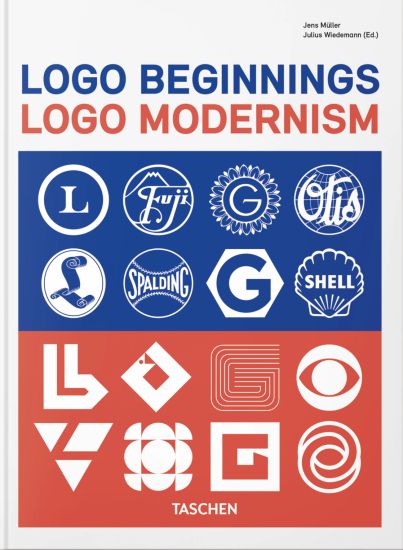
By the late 19th century, trademarks began to replace traditional emblems, like coats of arms, as identifying symbols for companies. At first, logos tended to be figurative, but over time they morphed into the abstract marks that we see everywhere today. Yet many iconic brands—like Rolex, BMW, Louis Vuitton, and the New York Yankees—still use logos designed 100 years ago. Bringing together two previous volumes—Logo Beginnings and Logo Modernism—into one compendium, design expert Jens Müller (dubbed “the logo detective” by Wired magazine) has trawled historical trademark archives and design publications to unearth 1000s of logos from as far back as 1870, including many forgotten designs and early versions of today’s brand identifiers. For clarity and ease of reference, both the Beginnings and Modernism sections are divided into categories (like Pictorial, Form, Effect, and Typographic) with each category further subdivided by basic design elements, like circle, line, alphabet, overlay, dots and squares. For context, in addition to the author’s essay on the history of the trademark, R. Roger Remington writes on modernism in graphic design, plus there are profiles of eight seminal designers—including Paul Rand, Yusaku Kamekura, and Anton Stankowski. Covering everything from media outfits to retail giants, airlines to art galleries, this is an invaluable resource for graphic designers, advertisers, and branding experts. It will also delight fans of cultural and corporate history, and anyone fascinated by the persuasive power of image and form.
The story of the evolution of machines in computer history is full of the disruptive innovations that have led to today’s world. From the early beginnings of computing to the bulky mainframe to the personal computer era, we now live in an almost entirely digital age. The Computer explores steps from the first ideas of a calculating machine in the 19th century and early experiments with autonomous driving in the 1920s to oversized office computers in the 1950s to laptops and wearables of today. Jens Müller delivers a visual understanding of the emergence of the Information Age that hasn’t been shown before. Tracing the stories of tech visionaries, pioneers, and entrepreneurs, the book combines compelling visuals, historical documents, and in-depth explanations to reveal significant events in computer history. Encompassing the invention of machines, coding, and software development, as well as technology's influence on today's political landscape. This survey presents creations from Ada Lovelace, Charles Babbage, Alan Turing, Grace Hopper, Bill Gates, and Steve Jobs. Showcasing forgotten gadgets and prototypes connecting iconic products such as the Apple Macintosh and the Sony Play Station. As well as remembering milestones in software development, videogaming, and the web. Infographics explain wireless communication and other fundamental technical concepts, while the history of corporations such as IBM, Apple, Microsoft, Atari, Amazon, and Google is retraced through rare photographs and advertising campaigns. A fascinating read, this book acknowledges the computer’s stupendous power and social impact. For techies and everyone interested in culture, economics, politics, and science, it illustrates how we got here today and helps us ask better questions about where we will be tomorrow.
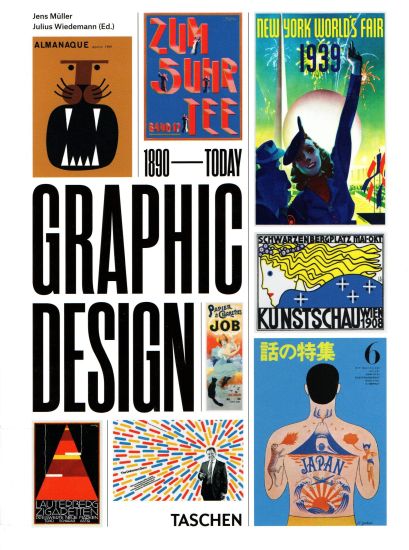
Through the turbulent passage of time, graphic design—with its vivid, neat synthesis of image and idea—has distilled the spirit of each age. Surrounding us every minute of every day, from minimalist packaging to colorful adverts, smart environmental graphics to sleek interfaces: graphic design is as much about transmitting information as it is about reflecting society’s cultural aspirations and values. With his sweeping knowledge of the field, author Jens Müller curates the standout designs for each year, a running sequence of design milestones. This collection of important graphic works represents a long-overdue reflection on the development of a creative field constantly changing and challenging itself. These key pieces act as coordinates through contemporary history, helping us trace the sheer influence of graphic design on our daily lives.
Through the turbulent passage of time, graphic design—with its vivid, neat synthesis of image and idea—has distilled the spirit of each age. Surrounding us every minute of every day, from minimalist packaging to colorful adverts, smart environmental graphics to sleek interfaces: graphic design is as much about transmitting information as it is about reflecting society’s cultural aspirations and values. With his sweeping knowledge of the field, author Jens Müller curates the standout designs for each year, a running sequence of design milestones. This collection of important graphic works represents a long-overdue reflection on the development of a creative field constantly changing and challenging itself. These key pieces act as coordinates through contemporary history, helping us trace the sheer influence of graphic design on our daily lives.
Countless global brands, including Rolex, BMW, Louis Vuitton, and the New York Yankees, still use logos that were designed over 100 years ago. Yet there has never been a monograph devoted to the origins of logo design. In the second half of the 19th century, the trademark replaced traditional symbols such as the family coat of arms as a promotional and identifying symbol for companies. At first, the designs were often still figurative; only gradually did they develop into the abstract marks that have become fixtures in everyday life today. Author Jens Müller, described as the “logo detective” by Wired magazine, examined historical trademark registers, international corporate archives, and early design publications to unearth more than 6,000 logos from 1870 to 1940. This unparalleled collection traces the development of modern trademarks and sheds light on forgotten designs and early versions of famous logos. The catalog is divided into four design categories: Pictorial, Form, Effect, and Typographic. Each chapter is then systematically subdivided according to basic elements of design such as circle, line, overlap, and outline, thus offering a new perspective on design principles that are still relevant today. Along with an extensive picture section, the book comprises an introduction by Jens Müller on the history of the trademark as well as a reproduction of the first comprehensive examination of modern corporate logos: the influential design pioneer F. H. Ehmcke’s (1878–1965) illustrated essay “Wahrzeichen—Warenzeichen” (Symbols—trademarks) from 1921. Also included are ten case studies of famous trademarks, including those of 3M, NBC, Shell, and Olivetti, and numerous rare images illustrating the—at times varied, at times consistent—developments in international logo design and the birth of the corporate identity. Logo Beginnings is not only a fundamental and inspiring graphic design manual but also an excellent read for anyone interested in social, cultural, and corporate history and the fascinating impact of trademarks. It is also the perfect complement to the TASCHEN classic Logo Modernism.
Dieses Buch ist anders als alle bisherigen Bucher zu dem Thema Menschenfuhrung Es hilft Ihnen, Ihr eigenes Fuhrungsverhalten auf den Prufstand zu stellen und in praktischen Schritten entscheidend zu verbessern. Es holt Sie in Ihrer taglichen Funktion in der Feuerwehr oder im Rettungsdienst ab und ermoglicht mit vielen Beispielen und Ubungen eine grundliche Selbstreflexion. Der Autor redet erfrischenden Klartext und scheut auch vor "heissen Eisen" und Tabuthemen nicht zuruck.
"It took me three minutes to get through the tunnel. Above ground I crawled along holding the rope for several feet: it was tied to a tree. Sergeant Bergsland joined me; we arranged our clothes and walked to the Sagan railway station. 'Bergsland was wearing a civilian suit he had made for himself from a Royal Marine uniform, with an RAF overcoat slightly altered with brown leather sewn over the buttons. A black RAF tie, no hat. He carried a small suitcase which had been sent from Norway. In it were Norwegian toothpaste and soap, sandwiches, and 163 Reichsmarks given to him by the Escape Committee. We caught the 2:04 train to Frankfurt an der Oder. Our papers stated we were Norwegian electricians from the Labour camp in Frankfurt working in the vicinity of Sagan.' Jens Muller was one of only three men who successfully escaped from Stalag Luft III in March 1944 - the break that later became the basis for the famous film the "Great Escape". Muller was no. 43 of the 76 prisoners of war who managed to escape from the camp (now in ?aga? Poland). Together with Per Bergsland he stowed away on a ship to Gothenburg. The escapees sought out the British consulate and were flown from Stockholm and were flown to Scotland. From there they were sent by train to London and shortly afterwards to 'Little Norway' in Canada. Muller's book about his wartime experiences was first published in Norwegian in 1946, titled, 'Tre kom tilbake' (Three Came Back). This is the first translation into English and will correct the impression - set by the film and Charles Bronson - that the men who escaped successfully were American and Australian. In a vivid, informative memoir he details what life in the camp was like, how the escapes were planned and executed and tells the story of his personal breakout and success reaching RAF Leuchars base in Scotland.
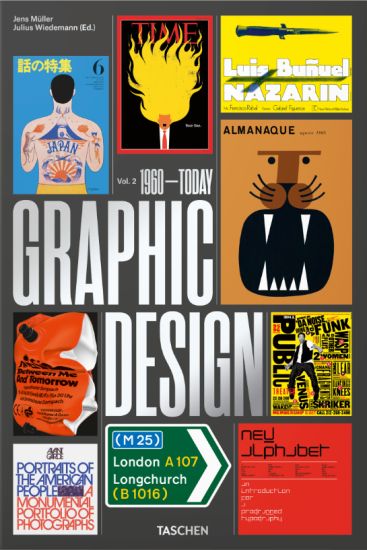
Through the turbulent passage of time, graphic design—with its vivid, neat synthesis of image and idea—has distilled the spirit of each age. Surrounding us every minute of every day, from minimalist packaging to colorful adverts, smart environmental graphics to sleek interfaces: graphic design is as much about transmitting information as it is about reflecting society’s cultural aspirations and values. This second volume rounds off our in-depth exploration of graphic design, spanning from the 1960s until today. About 3,500 seminal designs from across the globe guide us in this visual map through contemporary history, from the establishment of the International Style to the rise of the groundbreaking digital age. Around 80 key pieces go under the microscope in detailed analyses besides 118 biographies of the era’s most important designers, including Massimo Vignelli (New York subway wayfinding system), Otl Aicher (Lufthansa identity), Paula Scher (Citibank brand identity), Neville Brody (The Face magazine), Kashiwa Sato (Uniqlo brand identity), and Stefan Sagmeister (handwriting posters). With his sweeping knowledge of the field, author Jens Müller curates the standout designs for each year alongside a running sequence of design milestones. Organized chronologically, each decade is prefaced by a succinct overview as well as a stunning visual timeline, offering a vivid display of the variety of graphic production in each decade as well as the global landscape which it at once described and defined. This collection of important graphic works represents a long-overdue reflection on the development of a creative field constantly changing and challenging itself. These key pieces act as coordinates through contemporary history, helping us trace the sheer influence of graphic design on our daily lives. Combined with Volume One—which spans from the field’s very beginnings until 1959—the tomes offer the most comprehensive exploration of graphic design to date.
Die in diesem Buch aufgef hrten Techniken sind schnell und einfach erlernbar, so dass sich jede Leserin wirksame Verteidigungstechniken problemlos aneignen kann. Denn nicht jede Frau m chte durch jahrelanges intensives Training zu einer Kampfsportexpertin werden. In diesem Buch geht es darum, in kurzer Zeit wirksame und effektive Techniken zu erlernen, die im Ernstfall einen hohen Wirkungsgrad haben.
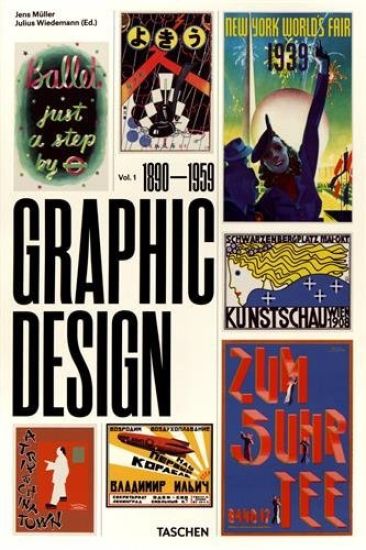
A Visual History of Graphic Design - A comprehensive look at hundreds of landmark projects, industry leaders profiles, and illustrated timelines for each decade. History is a complex business. Fortunes boom and bust, empires wax and wane, and change—whether social, political, or technological—has its winners, its losers, its advocates, and its enemies. Through all the turbulent passage of time, graphic design—with its vivid, neat synthesis of image and idea—has distilled the spirit of each age. This book offers a comprehensive history of graphic design from the end of the 19th century to the remains of World War II. It traces the evolution of this creative field from its beginning as poster design to its further development into advertising, corporate identity, packaging, and editorial design. Organized chronologically, the volume features over 2,500 seminal designs from all over the world, 71 of which are profiled in detail besides 61 leaders in the field, including Alphonse Mucha (chocolate advertisements), Edward Johnston (London Underground logo and typeface), El Lissitzky (constructivist graphics), Herbert Matter (photomontage travel posters from Switzerland), Saul Bass (animated opening titles), and A. M. Cassandre (art deco posters). With his sweeping knowledge of the field, author Jens Müller curates the standout designs for each year alongside a running sequence of design milestones. Meanwhile, in his introductory essay, David Jury situates graphic design from its point of origin in early printing, engraving, and lithography to striking creative developments in the 19th century. Each consecutive decade is then prefaced by a succinct overview as well as a stunning visual timeline, offering a vivid display of the variety of graphic production in each decade as well as the global landscape which it at once described and defined. As we move on from and reflect upon the 20th century, this staggering collection represents the foundations of what would influence some of the fastest changing creative fields, and a long-overdue recognition of the enormous contribution graphic design has made to economics, politics, social causes, arts, media, and the way we see the world. A second volume in preparation will cover the period from 1960 to today.