Kirjojen hintavertailu – 12 903 725 kirjaa ja 27 kauppaa

Kirjailija

Jericho Brown

Kirjat ja teokset yhdessä paikassa: 14 kirjaa, julkaisuja vuosilta 2008–2023, suosituimpiin kuuluu When I Grow Up I Want to Be a List of Further Possibilities. Vertaile teosten hintoja ja tarkista saatavuus suomalaisista kirjakaupoista.

14 kirjaa

Kirjojen julkaisuvuodet: 2008–2023.

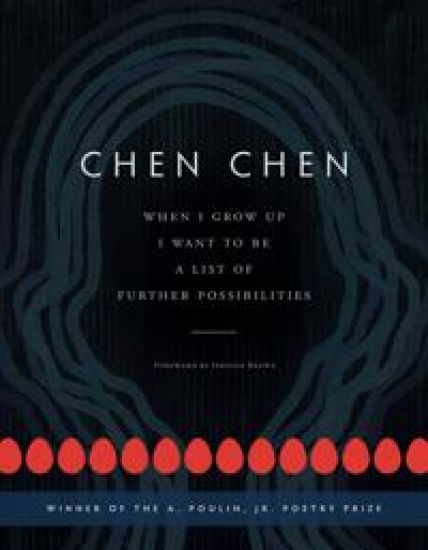
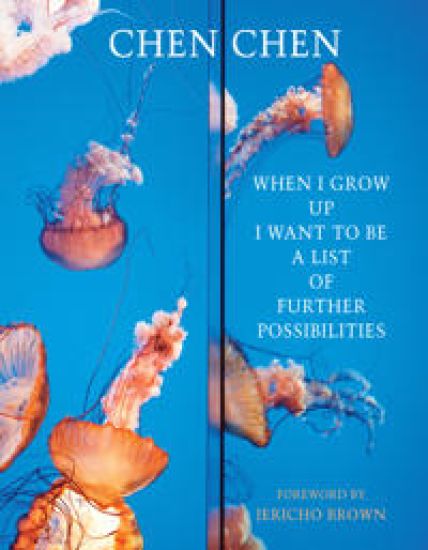
When I Grow Up I Want to Be a List of Further Possibilities

When I Grow Up I Want to Be a List of Further Possibilities

Chen Chen; Jericho Brown

Bloodaxe Books Ltd
2019
nidottu
In this ferocious and tender debut, Chen Chen investigates inherited forms of love and family – the strained relationship between a mother and son, the cost of necessary goodbyes – all from Asian American, immigrant and queer perspectives. Holding all accountable, this refreshingly candid and entertainingly provocative collection fully embraces the loss, grief, and abundant joy that come with charting one’s own path in identity, life and love. Foreword by Jericho Brown.
When I Grow Up I Want to Be a List of Further Possibilities

When I Grow Up I Want to Be a List of Further Possibilities

Chen Chen; Jericho Brown

BOA Editions, Limited
2017
pokkari
In this ferocious and tender debut, Chen Chen investigates inherited forms of love and family--the strained relationship between a mother and son, the cost of necessary goodbyes--all from Asian American, immigrant, and queer perspectives. Holding all accountable, this collection fully embraces the loss, grief, and abundant joy that come with charting one's own path in identity, life, and love. In the Hospital My mother was in the hospital & everyone wanted to be my friend. But I was busy making a list: good dog, bad citizen, short skeleton, tall mocha. Typical Tuesday. My mother was in the hospital & no one wanted to be her friend. Everyone wanted to be soft cooing sympathies. Very reasonable pigeons. No one had the time & our solution to it was to buy shinier watches. We were enamored with what our wrists could declare. My mother was in the hospital & I didn't want to be her friend. Typical son. Tall latte, short tale, bad plot, great wifi in the atypical cafe. My mother was in the hospital & she didn't want to be her friend. She wanted to be the family grocery list. Low-fat yogurt, firm tofu. She didn't trust my father to be it. You always forget something, she said, even when I do the list for you. Even then. Chen Chen was born in Xiamen, China, and grew up in Massachusetts. His work has appeared in two chapbooks and in such publications as Poetry, Gulf Coast, Indiana Review, Best of the Net, and The Best American Poetry. The recipient of the 2016 A. Poulin, Jr. Poetry Prize, he has been awarded fellowships from Kundiman, the Saltonstall Foundation, Lambda Literary, and in 2015, he was a finalist for the Ruth Lilly and Dorothy Sargent Rosenberg Poetry Fellowships. He earned his BA at Hampshire College and his MFA at Syracuse University. Currently, he is pursuing a PhD in English and Creative Writing at Texas Tech University. Chen lives in Lubbock, Texas, with his partner, Jeff Gilbert, and their pug dog, Rupert Giles.
How We Do It: Black Writers on Craft, Practice, and Skill

How We Do It: Black Writers on Craft, Practice, and Skill

Jericho Brown; Darlene Taylor

Amistad Press
2023
nidottu
More than 30 acclaimed writers--including diverse voices such as Nikki Giovanni, David Omotosho Black, Natasha Trethewey, Barry Jenkins, Jacqueline Woodson, Tayari Jones, and Angela Flournoy--reflect on their experience and expertise in this unique book on the craft of writing that focuses on the Black creative spirit. How We Do It is an anthology curated by Black writers for the creation and proliferation of Black thought. While a creator's ethnicity does not solely define them, it is inherently part of who they are and how they interpret the world. For centuries, Black creators have utilized oral and written storytelling traditions in crafting their art. But how does one begin the process of constructing a poem or story or character? How do Black writers, when faced with questions of "authenticity," dive deep into the essence of their lives and work to find the inherent truth? How We Do It addresses these profound questions. Not a traditional "how to" writing handbook, it seeks to guide rather than dictate and to validate the complexity and range of styles--and even how one thinks about craft itself. An outstanding list of contributors offer their insights on a range of important topics. Pulitzer Prize winner Jericho Brown explores the lives personified in poetry, while Pulitzer Prize winner Natasha Trethewey explores decolonizing enduring metaphors. National Book Award finalist Angela Flournoy illuminates the pain of grief in all forms and how it can be revealed in the act of creation, and iconoclast Nikki Giovanni offers an elegiac declaration on language. New and previously published essays and interviews provide encouragement, examples, and templates, and offer lessons on everything from poetic form and plotting a story to the lessons inherent in the act of writing, trial & error, and finding inspiration in the works of others, including those of Toni Morrison, Shakespeare, and Edward P. Jones. A handbook and a reference tool, How We Do It is a thoughtful and welcome tool that offers direction to help Black artists establish their own creative practice while celebrating and widening the scope of the Black writer's role in art, history, and culture. Contributors include Daniel Omotosho Black, Jericho Brown, Breena Clark, Rita Dove, Camille T. Dungy, W. Ralph Eubanks, Curdella Forbes, Angela Flournoy, Ernest Gaines, Nikki Giovanni, Marita Golden, Ravi Howard, Terrance Hayes, Mitchell S. Jackson, Barry Jenkins, Charles Johnson, Tayari Jones, Jamaica Kincaid, Tony Medina, E. Ethelbert Miller, Elizabeth Nunez, Carl Phillips, Jewell Parker Rhodes, Rion Amilcar Scott, Evie Shockley, Natasha Trethewey, Frank X Walker, Afaa M. Weaver, Crystal Wilkinson, Jacqueline Woodson, Tiphanie Yanique.

How We Do It: Black Writers on Craft, Practice, and Skill

How We Do It: Black Writers on Craft, Practice, and Skill

Jericho Brown; Darlene Taylor

Amistad Press
2023
sidottu
More than 30 acclaimed writers--including diverse voices such as Nikki Giovanni, David Omotosho Black, Natasha Trethewey, Barry Jenkins, Jacqueline Woodson, Tayari Jones, and Angela Flournoy--reflect on their experience and expertise in this unique book on the craft of writing that focuses on the Black creative spirit. How We Do It is an anthology curated by Black writers for the creation and proliferation of Black thought. While a creator's ethnicity does not solely define them, it is inherently part of who they are and how they interpret the world. For centuries, Black creators have utilized oral and written storytelling traditions in crafting their art. But how does one begin the process of constructing a poem or story or character? How do Black writers, when faced with questions of "authenticity," dive deep into the essence of their lives and work to find the inherent truth? How We Do It addresses these profound questions. Not a traditional "how to" writing handbook, it seeks to guide rather than dictate and to validate the complexity and range of styles--and even how one thinks about craft itself. An outstanding list of contributors offer their insights on a range of important topics. Pulitzer Prize winner Jericho Brown explores the lives personified in poetry, while Pulitzer Prize winner Natasha Trethewey explores decolonizing enduring metaphors. National Book Award finalist Angela Flournoy illuminates the pain of grief in all forms and how it can be revealed in the act of creation, and iconoclast Nikki Giovanni offers an elegiac declaration on language. New and previously published essays and interviews provide encouragement, examples, and templates, and offer lessons on everything from poetic form and plotting a story to the lessons inherent in the act of writing, trial & error, and finding inspiration in the works of others, including those of Toni Morrison, Shakespeare, and Edward P. Jones. A handbook and a reference tool, How We Do It is a thoughtful and welcome tool that offers direction to help Black artists establish their own creative practice while celebrating and widening the scope of the Black writer's role in art, history, and culture. Contributors include Daniel Omotosho Black, Jericho Brown, Breena Clark, Rita Dove, Camille T. Dungy, W. Ralph Eubanks, Curdella Forbes, Angela Flournoy, Ernest Gaines, Nikki Giovanni, Marita Golden, Ravi Howard, Terrance Hayes, Mitchell S. Jackson, Barry Jenkins, Charles Johnson, Tayari Jones, Jamaica Kincaid, Tony Medina, E. Ethelbert Miller, Elizabeth Nunez, Carl Phillips, Jewell Parker Rhodes, Rion Amilcar Scott, Evie Shockley, Natasha Trethewey, Frank X Walker, Afaa M. Weaver, Crystal Wilkinson, Jacqueline Woodson, Tiphanie Yanique.
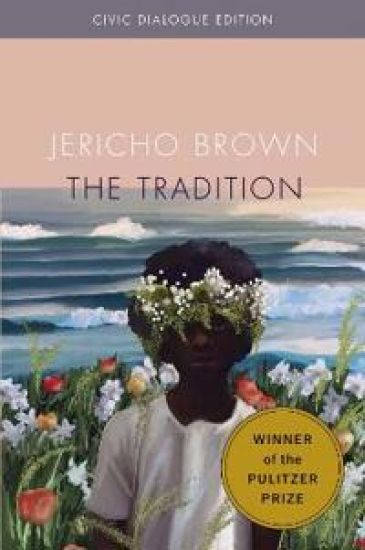
The Tradition: Civic Dialog Edition

The Tradition: Civic Dialog Edition

Jericho Brown

Copper Canyon Press,U.S.
2022
pokkari
In this special edition of Jericho Brown's Pulitzer Prize-winning The Tradition, you are invited to participate in an urgent dialog--sparked by poetry--about what it means to be human. Including a discussion guide and an interview with the author, The Tradition: Civic Dialog Editionis meant to catalyze and inspire deep and engaging community conversations. In 2021, the Free Library of Philadelphia selected The Traditionfor their annual city-wide reading program, choosing a book of poetry for the first time ever. The vision was for neighbor to meet neighbor and discuss--in profound and transformative ways--the difficult subjects confronted so powerfully by the poems: racism, homophobia, violence, and the human resolve to compose a joyful life. To encourage other communities--cities, schools, book groups--to follow Philadelphia's lead, Copper Canyon Press collaborated with the Free Library to create The Tradition: Civic Dialog Edition. The dream is to tap the power of poetry to open hearts, clarify vision, spark conversation, and help make the world a more just and equitable place. And, if we're fortunate, to laugh as freely and share as openly as the poet himself.
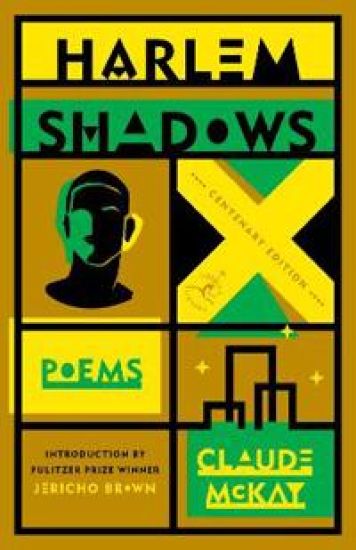
Harlem Shadows

Harlem Shadows

Claude McKay; Jericho Brown

RANDOM HOUSE USA INC
2022
nidottu

Halvin toimitettuna 18,70 €

A harbinger of the Harlem Renaissance first published in 1922, this collection of poignant, lyrical poems explores the author's yearning for his Jamaican homeland and the bitter plight of Black people in America--now with an introduction by Pulitzer Prize-winning poet Jericho Brown. With pure heart, passion, and honesty, Claude McKay offers an acute reflection on the complex nature of racial identity in the Caribbean diaspora, encompassing issues such as nationalism, freedom of expression, class, gender, and sex. The collection's eponymous poem, Harlem Shadows, portrays the struggle of sex workers in 1920s Harlem. In If We Must Die, McKay calls for justice and retribution for Black people in the face of racist abuse. Juxtaposing the cruel noise of New York City with the serene beauties of Jamaica, McKay urges us to reckon with the oppression that plagues a long-suffering race, which he argues has no home in a white man's world. Poems of Blackness, queerness, desire, performance, and love are infused with a radical message of resistance in this sonorous cry for universal human rights. Simultaneously a love letter to the spirit of New York City and a list of grievances with its harsh cruelty, Harlem Shadows is a stunning collection that remains all too relevant one hundred years after its original publication.
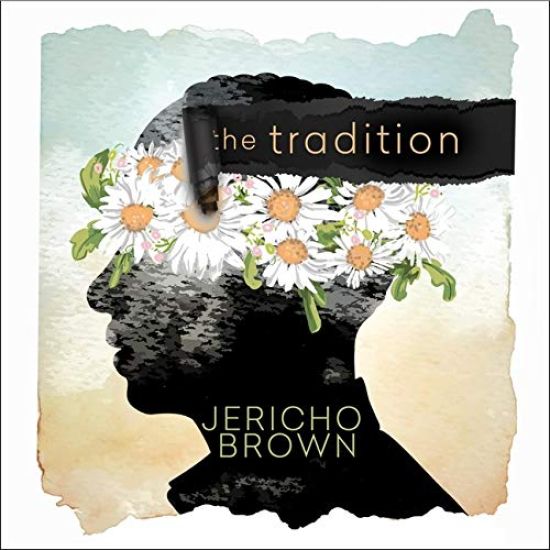
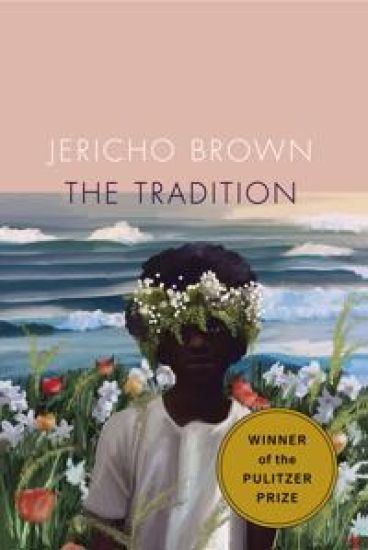
The Tradition

The Tradition

Jericho Brown

Copper Canyon Press
2020
sidottu
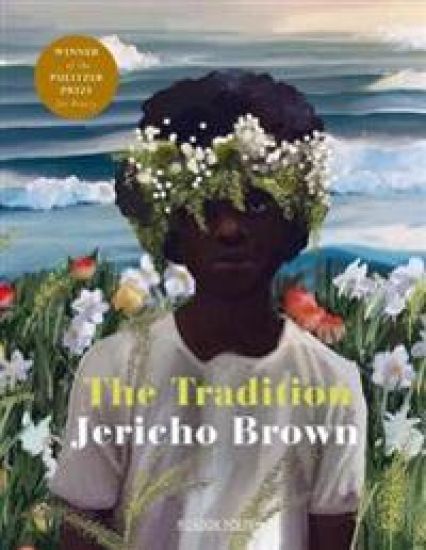
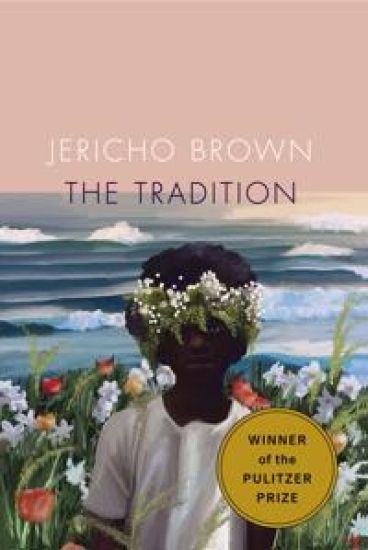
WINNER OF THE 2020 PULITZER PRIZE FOR POETRY Finalist for the 2019 National Book Award 100 Notable Books of the Year, The New York Times Book Review One Book, One Philadelphia Citywide Reading Program Selection, 2021 By some literary magic--no, it's precision, and honesty--Brown manages to bestow upon even the most public of subjects the most intimate and personal stakes.--Craig Morgan Teicher, "'I Reject Walls': A 2019 Poetry Preview" for NPR "A relentless dismantling of identity, a difficult jewel of a poem."--Rita Dove, in her introduction to Jericho Brown's "Dark" (featured in the New York Times Magazine in January 2019) "Winner of a Whiting Award and a Guggenheim Fellowship, Brown's hard-won lyricism finds fire (and idyll) in the intersection of politics and love for queer Black men."--O, The Oprah Magazine Named a Lit Hub "Most Anticipated Book of 2019" One of Buzzfeed's "66 Books Coming in 2019 You'll Want to Keep Your Eyes On" The Rumpus poetry pick for "What to Read When 2019 is Just Around the Corner" One of BookRiot's "50 Must-Read Poetry Collections of 2019" Jericho Brown's daring new book The Tradition details the normalization of evil and its history at the intersection of the past and the personal. Brown's poetic concerns are both broad and intimate, and at their very core a distillation of the incredibly human: What is safety? Who is this nation? Where does freedom truly lie? Brown makes mythical pastorals to question the terrors to which we've become accustomed, and to celebrate how we survive. Poems of fatherhood, legacy, blackness, queerness, worship, and trauma are propelled into stunning clarity by Brown's mastery, and his invention of the duplex--a combination of the sonnet, the ghazal, and the blues--is testament to his formal skill. The Tradition is a cutting and necessary collection, relentless in its quest for survival while reveling in a celebration of contradiction.
The Tradition

The Tradition

Jericho Brown

Picador
2019
pokkari
WINNER OF THE PULITZER PRIZE FOR POETRYThe Tradition by Jericho Brown, is a cutting and necessary collection, relentless in its quest for survival while revelling in a celebration of contradiction. A Poetry Book Society Choice'To read Jericho Brown's poems is to encounter devastating genius.' Claudia RankineJericho Brown’s daring poetry collection The Tradition details the normalization of evil and its history at the intersection of the past and the personal. Brown’s poetic concerns are both broad and intimate, and at their very core a distillation of the incredibly human: What is safety? Who is this nation? Where does freedom truly lie? Poems of fatherhood, legacy, blackness, queerness, worship, and trauma are propelled into stunning clarity by Brown’s mastery, and his invention of the duplex – a combination of the sonnet, the ghazal, and the blues – testament to his formal skill.
The Tradition

The Tradition

Jericho Brown

Copper Canyon Press
2019
pokkari
WINNER OF THE 2020 PULITZER PRIZE FOR POETRY Finalist for the 2019 National Book Award 100 Notable Books of the Year, The New York Times Book Review One Book, One Philadelphia Citywide Reading Program Selection, 2021 By some literary magic--no, it's precision, and honesty--Brown manages to bestow upon even the most public of subjects the most intimate and personal stakes.--Craig Morgan Teicher, "'I Reject Walls': A 2019 Poetry Preview" for NPR "A relentless dismantling of identity, a difficult jewel of a poem."--Rita Dove, in her introduction to Jericho Brown's "Dark" (featured in the New York Times Magazine in January 2019) "Winner of a Whiting Award and a Guggenheim Fellowship, Brown's hard-won lyricism finds fire (and idyll) in the intersection of politics and love for queer Black men."--O, The Oprah Magazine Named a Lit Hub "Most Anticipated Book of 2019" One of Buzzfeed's "66 Books Coming in 2019 You'll Want to Keep Your Eyes On" The Rumpus poetry pick for "What to Read When 2019 is Just Around the Corner" One of BookRiot's "50 Must-Read Poetry Collections of 2019" Jericho Brown's daring new book The Tradition details the normalization of evil and its history at the intersection of the past and the personal. Brown's poetic concerns are both broad and intimate, and at their very core a distillation of the incredibly human: What is safety? Who is this nation? Where does freedom truly lie? Brown makes mythical pastorals to question the terrors to which we've become accustomed, and to celebrate how we survive. Poems of fatherhood, legacy, blackness, queerness, worship, and trauma are propelled into stunning clarity by Brown's mastery, and his invention of the duplex--a combination of the sonnet, the ghazal, and the blues--is testament to his formal skill. The Tradition is a cutting and necessary collection, relentless in its quest for survival while reveling in a celebration of contradiction.
The New Testament

The New Testament

Jericho Brown

Picador
2018
pokkari
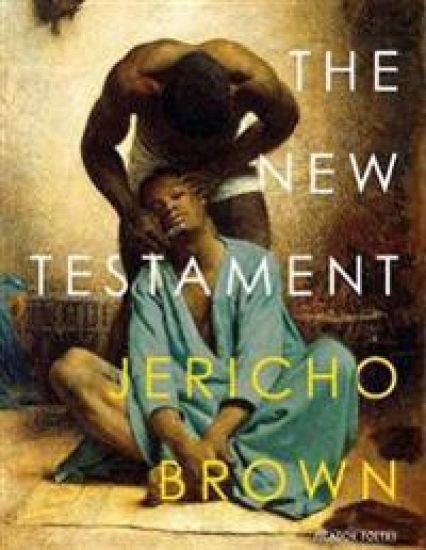
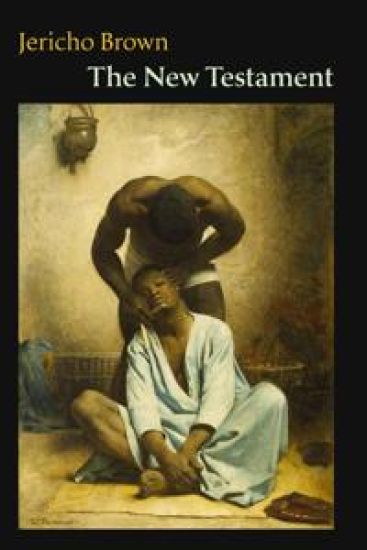
Jericho Brown’s The New Testament is a devastating meditation on race, sexuality and contemporary American society by one of the most important voices in US poetry, and the winner of the Pulitzer Prize for Poetry.‘To read Jericho Brown’s poems is to encounter devastating genius.’ – Claudia Rankine. In poems of immense clarity, lyricism and skill, Brown shows us a world where disease runs through the body, violence runs through the neighbourhood, and trauma runs through generations. Here Brown makes brilliant and subversive use of Bible stories to address the gay experience from both a personal and a political perspective. By refusing to sacrifice nuance, no matter how charged and urgent his subject, Brown is one of the handful of contemporary poets who have found a speech adequate to the complex times in which we live, and a way to express an equivocal hope for the future. The New Testament was winner of the Thom Gunn Award for Gay Poetry and the Paterson Award for Literary Excellence.
The New Testament

The New Testament

Jericho Brown

Copper Canyon Press
2014
pokkari
Honored as a Best Book of 2014 by Library Journal Honored as a Standout Book of 2014 by American Poet magazineWinnner of the Thom Gunn Award for Gay PoetryPaterson Award for Literary Excellence, 2015 NPR.org writes: "In his second collection, The New Testament, Brown treats disease and love and lust between men, with a gentle touch, returning again and again to the stories of the Bible, which confirm or dispute his vision of real life. 'Every last word is contagious, ' he writes, awake to all the implications of that phrase. There is plenty of guilt--survivor's guilt, sinner's guilt--and ever-present death, but also the joy of survival and sin. And not everyone has the chutzpah to rewrite The Good Book."--NPR.org"Brown's is a necessary art in an era that has seen lingering racial conflict and growing acceptance of gays in America, as well as extreme intolerance and homophobia in many countries overseas. These poems work because while they emanate from an intimately personal place, social concerns loom as large as the barber in Bonnat's painting. To merge the private with the public so seamlessly is an enviable feat." --The Antioch ReviewErotic and grief-stricken, ministerial and playful, Brown offers his reader a journey unlike any other in contemporary poetry.--Rain TaxiTo read Jericho Brown's poems is to encounter devastating genius.--Claudia RankineIn the world of Jericho Brown's second book, disease runs through the body, violence runs through the neighborhood, memories run through the mind, trauma runs through generations. Almost eerily quiet in even the bluntest of poems, Brown gives us the ache of a throat that has yet to say the hardest thing--and the truth is coming on fast. Fairy TaleSay the shame I see inching like steamAlong the streets will never seepBeneath the doors of this bedroom, And if it does, if we dare to breathe, Tell me that though the world ends us, Lover, it cannot end our loveOf narrative. Don't you have a storyFor me?--like the one you tellWith fingers over my lips to keep meFrom sighing when--before the queenIs kidnapped--the prince bowsTo the enemy, handing over the hornOf his favorite unicorn like those menBrought, bought, and whipped untilThey accepted their masters' names. Jericho Brown worked as the speechwriter for the mayor of New Orleans before earning his PhD in creative writing and literature from the University of Houston. His first book, PLEASE (New Issues), won the American Book Award. He currently teaches at Emory University and lives in Atlanta, Georgia.
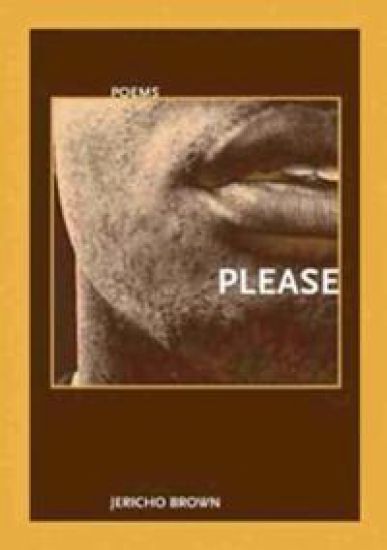
Please

Please

Jericho Brown

Western Michigan University, New Issues Press
2008
nidottu
Please explores the points in our lives at which love and violence intersect. Drunk on its own rhythms and full of imaginative and often frightening imagery, Please is the album playing in the background of the history and culture that surround African American/male identity and sexuality. Just as radio favorites like Marvin Gaye, Donny Hathaway, and Pink Floyd characterize loss, loneliness, addiction, and denial with their voices, these poems’ chorus of speakers transform moments of intimacy and humor into spontaneous music. In Please, Jericho Brown sings the influence soul culture has on American life with the accuracy of the blues.