Kirjojen hintavertailu – 12 859 828 kirjaa ja 27 kauppaa

Kirjailija

Jerome C. Branche

Kirjat ja teokset yhdessä paikassa: 4 kirjaa, julkaisuja vuosilta 2014–2022, suosituimpiin kuuluu The Poetics and Politics of Diaspora. Vertaile teosten hintoja ja tarkista saatavuus suomalaisista kirjakaupoista.

4 kirjaa

Kirjojen julkaisuvuodet: 2014–2022.

Trajectories of Empire

Trajectories of Empire

Jerome C. Branche; Elizabeth Wright; Cassia Roth; Baltasar Fra-Molinero; Miguel Valerio; Miguel Olmedo; Agnes Lugo-Ortiz; Lucia Helena Costigan; Abreu Alberto; Eliseo Jacob; Maria Andrea de Santos Soares

VANDERBILT UNIVERSITY PRESS
2022
nidottu
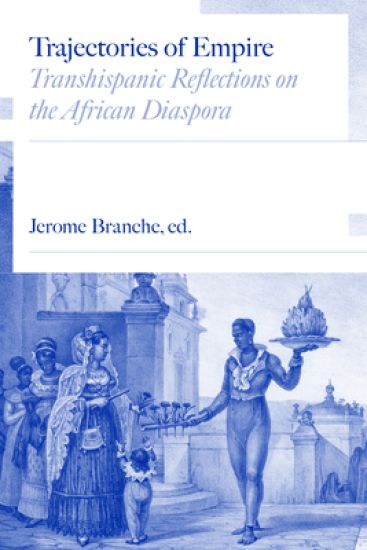
Trajectories of Empire extends from the beginning of the Iberian expansion of the mid-fifteenth century, through colonialism and slavery, and into the twentieth and twenty-first centuries in Latin American republics. Its point of departure is the question of empire and its aftermath, as reflected in the lives of contemporary Latin Americans of African descent, and of their ancestors caught up in the historical process of Iberian colonial expansion, colonization, and the Atlantic slave trade. The book's chapters explore what it's like to be Black today in the so-called racial democracies of Brazil, Colombia, and Cuba; the role of medical science in the objectification and nullification of Black female personhood during slavery in Brazil in the nineteenth century; the deployment of visual culture to support insurgency for a largely illiterate slave body again in the nineteenth century in Cuba; aspects of discourse that promoted the colonial project as evangelization, or alternately offered resistance to its racialized culture of dominance in the seventeenth century; and the experiences of the first generations of forced African migrants into Spain and Portugal in the fifteenth and sixteenth centuries, as the discursive template was created around their social roles as enslaved or formerly enslaved people. Trajectories of Empire's contributors come from the fields of literary criticism, visual culture, history, anthropology, popular culture (rap), and cultural studies. As the product of an interdisciplinary collective, this book will be of interest to researchers and graduate students in Iberian or Hispanic Studies, Africana Studies, Postcolonial Studies, and Transatlantic Studies, as well as the general public.
Trajectories of Empire

Trajectories of Empire

Jerome C. Branche; Elizabeth Wright; Cassia Roth; Baltasar Fra-Molinero; Miguel Valerio; Miguel Olmedo; Agnes Lugo-Ortiz; Lucia Helena Costigan; Abreu Alberto; Eliseo Jacob; Maria Andrea de Santos Soares

VANDERBILT UNIVERSITY PRESS
2022
sidottu
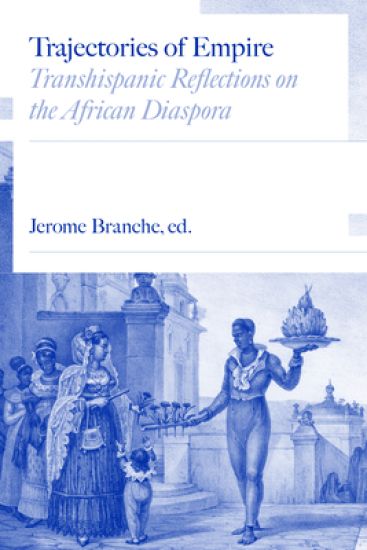
Trajectories of Empire extends from the beginning of the Iberian expansion of the mid-fifteenth century, through colonialism and slavery, and into the twentieth and twenty-first centuries in Latin American republics. Its point of departure is the question of empire and its aftermath, as reflected in the lives of contemporary Latin Americans of African descent, and of their ancestors caught up in the historical process of Iberian colonial expansion, colonization, and the Atlantic slave trade. The book's chapters explore what it's like to be Black today in the so-called racial democracies of Brazil, Colombia, and Cuba; the role of medical science in the objectification and nullification of Black female personhood during slavery in Brazil in the nineteenth century; the deployment of visual culture to support insurgency for a largely illiterate slave body again in the nineteenth century in Cuba; aspects of discourse that promoted the colonial project as evangelization, or alternately offered resistance to its racialized culture of dominance in the seventeenth century; and the experiences of the first generations of forced African migrants into Spain and Portugal in the fifteenth and sixteenth centuries, as the discursive template was created around their social roles as enslaved or formerly enslaved people. Trajectories of Empire's contributors come from the fields of literary criticism, visual culture, history, anthropology, popular culture (rap), and cultural studies. As the product of an interdisciplinary collective, this book will be of interest to researchers and graduate students in Iberian or Hispanic Studies, Africana Studies, Postcolonial Studies, and Transatlantic Studies, as well as the general public.
The Poetics and Politics of Diaspora

The Poetics and Politics of Diaspora

Jerome C. Branche

Routledge
2016
nidottu
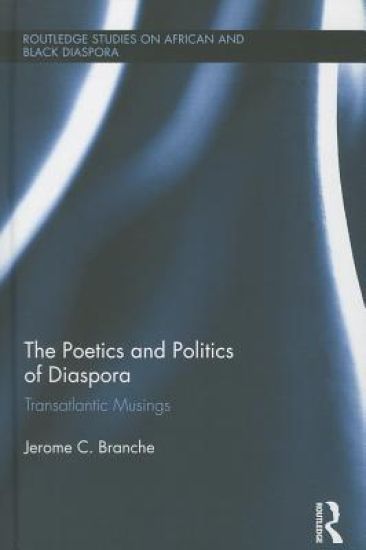
This book studies the creative discourse of the modern African diaspora by analyzing poems, novels, essays, hip-hop and dub poetry in the Caribbean, England, Spain, and Colombia, and capturing diasporan movement through mutually intersecting axes of dislocation and relocation, and efforts at political group affirmation and settlement, or “location.” Branche’s study connects London’s multimillion-dollar riots of 2011, and its antecedents associated with the West Indian settler community, to the discontent and harrowing conditions facing black immigrants to contemporary Spain as gateway to Fortress Europe. It links the brutal massacres that target Colombia’s dispossessed and displaced poor - and mainly black - “throwaway” citizens, victims of the drug trade and neoliberal expansionism, to older Caribbean stories that tell of the original spurts of capitalist greed, and the colonial cauldron it created, at the center of which lay the slave trade. In revisiting the question of what really has awaited Afro-descendants at the end of the Middle Passage, this volume brings transatlantic slavery, the making of weak postcolonial states that bleed people, and the needle’s eye of racial identification together through a close reading of rappers, black radicals, dub poetry, and novelists from Europe, Africa, and the Americas. Branche at once demonstrates the existence of an archive of Afro-modern diasporan, discursive production, and just as importantly, points toward a historically-rooted theoretical framework that would contain its liberatory trajectory.
The Poetics and Politics of Diaspora

The Poetics and Politics of Diaspora

Jerome C. Branche

Routledge
2014
sidottu
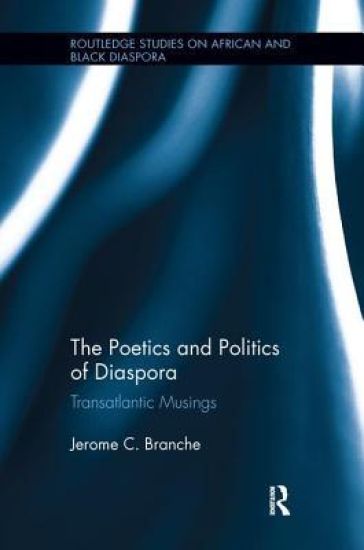
This book studies the creative discourse of the modern African diaspora by analyzing poems, novels, essays, hip-hop and dub poetry in the Caribbean, England, Spain, and Colombia, and capturing diasporan movement through mutually intersecting axes of dislocation and relocation, and efforts at political group affirmation and settlement, or “location.” Branche’s study connects London’s multimillion-dollar riots of 2011, and its antecedents associated with the West Indian settler community, to the discontent and harrowing conditions facing black immigrants to contemporary Spain as gateway to Fortress Europe. It links the brutal massacres that target Colombia’s dispossessed and displaced poor - and mainly black - “throwaway” citizens, victims of the drug trade and neoliberal expansionism, to older Caribbean stories that tell of the original spurts of capitalist greed, and the colonial cauldron it created, at the center of which lay the slave trade. In revisiting the question of what really has awaited Afro-descendants at the end of the Middle Passage, this volume brings transatlantic slavery, the making of weak postcolonial states that bleed people, and the needle’s eye of racial identification together through a close reading of rappers, black radicals, dub poetry, and novelists from Europe, Africa, and the Americas. Branche at once demonstrates the existence of an archive of Afro-modern diasporan, discursive production, and just as importantly, points toward a historically-rooted theoretical framework that would contain its liberatory trajectory.