Kirjojen hintavertailu – 12 903 725 kirjaa ja 27 kauppaa

Kirjailija

Jerome H. Reichman

Kirjat ja teokset yhdessä paikassa: 4 kirjaa, julkaisuja vuosilta 2016–2017, suosituimpiin kuuluu Governing Digitally Integrated Genetic Resources, Data, and Literature. Vertaile teosten hintoja ja tarkista saatavuus suomalaisista kirjakaupoista.

4 kirjaa

Kirjojen julkaisuvuodet: 2016–2017.

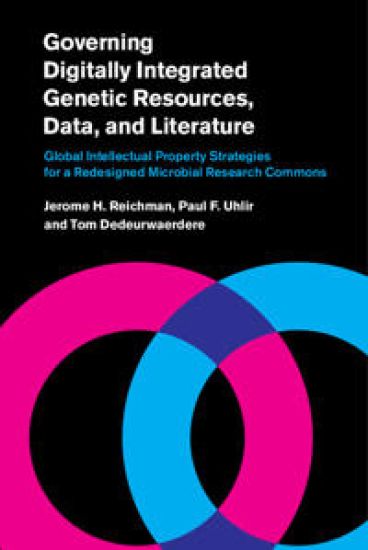
Governing Digitally Integrated Genetic Resources, Data, and Literature

Governing Digitally Integrated Genetic Resources, Data, and Literature

Jerome H. Reichman; Paul F. Uhlir; Tom Dedeurwaerdere

Cambridge University Press
2017
pokkari

Halvin toimitettuna 64,10 €

The free exchange of microbial genetic information is an established public good, facilitating research on medicines, agriculture, and climate change. However, over the past quarter-century, access to genetic resources has been hindered by intellectual property claims from developed countries under the World Trade Organization's TRIPS Agreement (1994) and by claims of sovereign rights from developing countries under the Convention on Biological Diversity (CBD) (1992). In this volume, the authors examine the scientific community's responses to these obstacles and advise policymakers on how to harness provisions of the Nagoya Protocol (2010) that allow multilateral measures to support research. By pooling microbial materials, data, and literature in a carefully designed transnational e-infrastructure, the scientific community can facilitate access to essential research assets while simultaneously reinforcing the open access movement. The original empirical surveys of responses to the CBD included here provide a valuable addition to the literature on governing scientific knowledge commons.

The World Blind Union Guide to the Marrakesh Treaty

The World Blind Union Guide to the Marrakesh Treaty

Laurence R. Helfer; Molly K. Land; Ruth L. Okediji; Jerome H. Reichman

Oxford University Press Inc
2017
nidottu
"The Marrakesh Treaty to Facilitate Access to Published Works for Persons Who Are Blind, Visually Impaired, or Otherwise Print Disabled" is a watershed development in the fields of intellectual property and human rights. As the first international legal instrument to establish mandatory exceptions to copyright, the Marrakesh Treaty uses the legal and policy tools of copyright to advance human rights. The World Blind Union Guide to the Marrakesh Treaty offers a comprehensive framework for interpreting the Treaty in ways that enhance the ability of print-disabled individuals to create, read, and share books and cultural materials in accessible formats. The Guide also provides specific recommendations to government officials, policymakers, and disability rights organizations involved with implementing the Treaty's provisions in national law.
The World Blind Union Guide to the Marrakesh Treaty

The World Blind Union Guide to the Marrakesh Treaty

Laurence R. Helfer; Molly K. Land; Ruth L. Okediji; Jerome H. Reichman

Oxford University Press Inc
2017
sidottu
"The Marrakesh Treaty to Facilitate Access to Published Works for Persons Who Are Blind, Visually Impaired, or Otherwise Print Disabled" is a watershed development in the fields of intellectual property and human rights. As the first international legal instrument to establish mandatory exceptions to copyright, the Marrakesh Treaty uses the legal and policy tools of copyright to advance human rights. The World Blind Union Guide to the Marrakesh Treaty offers a comprehensive framework for interpreting the Treaty in ways that enhance the ability of print-disabled individuals to create, read, and share books and cultural materials in accessible formats. The Guide also provides specific recommendations to government officials, policymakers, and disability rights organizations involved with implementing the Treaty's provisions in national law.
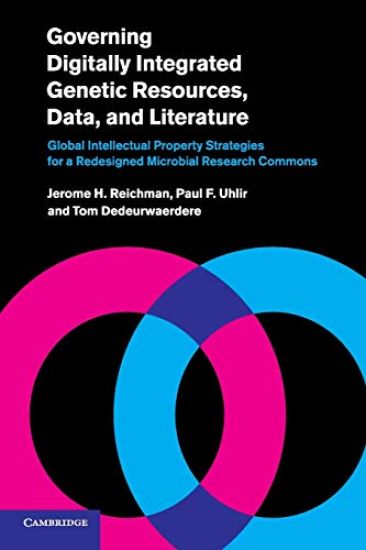
Governing Digitally Integrated Genetic Resources, Data, and Literature

Governing Digitally Integrated Genetic Resources, Data, and Literature

Jerome H. Reichman; Paul F. Uhlir; Tom Dedeurwaerdere

Cambridge University Press
2016
sidottu
The free exchange of microbial genetic information is an established public good, facilitating research on medicines, agriculture, and climate change. However, over the past quarter-century, access to genetic resources has been hindered by intellectual property claims from developed countries under the World Trade Organization's TRIPS Agreement (1994) and by claims of sovereign rights from developing countries under the Convention on Biological Diversity (CBD) (1992). In this volume, the authors examine the scientific community's responses to these obstacles and advise policymakers on how to harness provisions of the Nagoya Protocol (2010) that allow multilateral measures to support research. By pooling microbial materials, data, and literature in a carefully designed transnational e-infrastructure, the scientific community can facilitate access to essential research assets while simultaneously reinforcing the open access movement. The original empirical surveys of responses to the CBD included here provide a valuable addition to the literature on governing scientific knowledge commons.