Kirjailija
Jerome K. Jerome
Kirjat ja teokset yhdessä paikassa: 480 kirjaa, julkaisuja vuosilta 1879–2026, suosituimpiin kuuluu Ghosts of Christmas Past. Vertaile teosten hintoja ja tarkista saatavuus suomalaisista kirjakaupoista.
Nimi esiintyy myös muodoissa: Jerome K Jerome, Jérôme K Jérôme
480 kirjaa
Kirjojen julkaisuvuodet: 1879–2026.
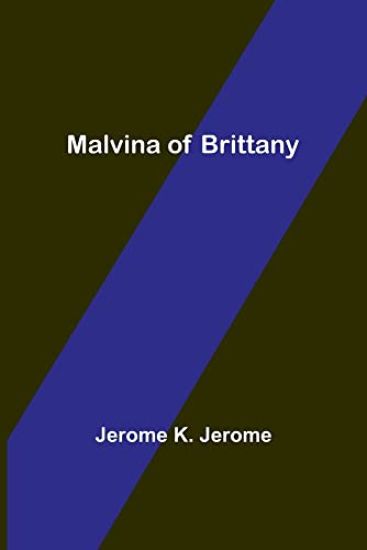
Malvina of Brittany, has been considered an important book throughout the human history. So that this work is never forgotten we have made efforts in its preservation by republishing this book in a modern format for present and future generations. The whole book has been reformatted, retyped and designed. This book is not made of scanned copies and hence the text is clear and readable.
Idle Thoughts of an Idle Fellow, published in 1886, is a collection of humorous essays by Jerome K. Jerome. It was the author's second published book and it helped establish him as a leading English humorist. While widely considered one of Jerome's better works, and in spite of using the same style as Three Men in a Boat, it was never as popular as the latter. A second "Idle Thoughts" book, The Second Thoughts of An Idle Fellow, was published in 1898. The essays had previously appeared in Home Chimes, the same magazine that later serialised Jerome's Three Men in a Boat. (wikipedia.org) CONTENTThe book consists of 14 independent articles arranged by themes: ON BEING IDLE. ON BEING IN LOVE. ON BEING IN THE BLUES. ON BEING HARD UP. ON VANITY AND VANITIES. ON GETTING ON IN THE WORLD. ON THE WEATHER. ON CATS AND DOGS. ON BEING SHY. ON BABIES. ON EATING AND DRINKING. ON FURNISHED APARTMENTS. ON DRESS AND DEPORTMENT. ON MEMORY.
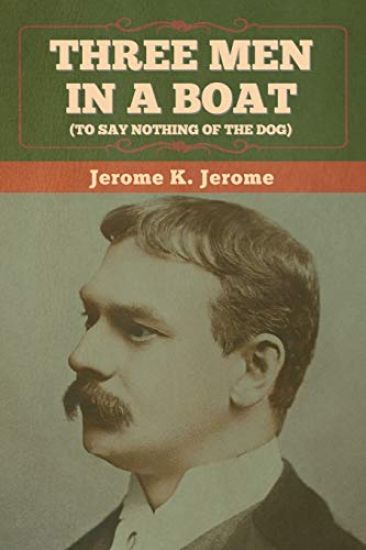
Three Men in a Boat (To Say Nothing of the Dog, published in 1889, is a humorous account by English writer Jerome K. Jerome of a two-week boating holiday on the Thames from Kingston upon Thames to Oxford and back to Kingston. The book was initially intended to be a serious travel guide, with accounts of local history along the route, but the humorous elements took over to the point where the serious and somewhat sentimental passages seem a distraction to the comic novel. One of the most praised things about Three Men in a Boat is how undated it appears to modern readers - the jokes have been praised as fresh and witty. The three men are based on Jerome himself (the narrator Jerome K. Jerome) and two real-life friends, George Wingrave (who would become a senior manager at Barclays Bank) and Carl Hentschel (the founder of a London printing business, called Harris in the book), with whom Jerome often took boating trips. The dog, Montmorency, is entirely fictional but, "as Jerome admits, developed out of that area of inner consciousness which, in all Englishmen, contains an element of the dog". The trip is a typical boating holiday of the time in a Thames camping skiff. This was just after commercial boat traffic on the Upper Thames had died out, replaced by the 1880s craze for boating as a leisure activity. Following the overwhelming success of Three Men in a Boat, Jerome later published a sequel, about a cycling tour in Germany, titled Three Men on the Bummel (also known as Three Men on Wheels, 1900). (wikipedia.org)

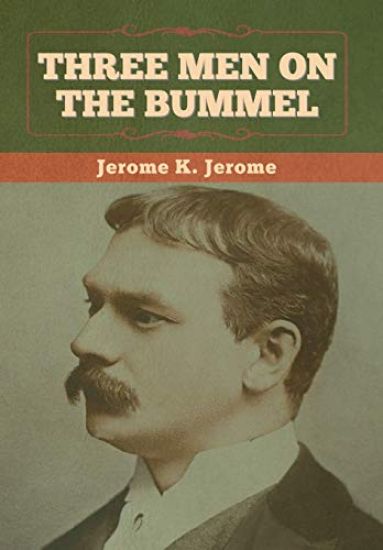
Three Men on the Bummel (also known as Three Men on Wheels) is a humorous novel by Jerome K. Jerome. It was published in 1900, eleven years after his most famous work, Three Men in a Boat (To Say Nothing of the Dog). The sequel brings back the three companions who figured in Three Men in a Boat, this time on a bicycle tour through the German Black Forest. D. C. Browning's introduction to the 1957 Everyman's edition says "Like most sequels, it has been compared unfavourably with its parent story, but it was only a little less celebrated than Three Men in a Boat and was for long used as a school book in Germany." Jeremy Nicholas of the Jerome K. Jerome Society regards it as a "comic masterpiece" containing "set pieces" as funny or funnier than those in its predecessor, but, taken as a whole, not as satisfying due to the lack of as strong a unifying thread. (wikipedia.org)
Idle Thoughts of an Idle Fellow, published in 1886, is a collection of humorous essays by Jerome K. Jerome. It was the author's second published book and it helped establish him as a leading English humorist. While widely considered one of Jerome's better works, and in spite of using the same style as Three Men in a Boat, it was never as popular as the latter. A second "Idle Thoughts" book, The Second Thoughts of An Idle Fellow, was published in 1898. The essays had previously appeared in Home Chimes, the same magazine that later serialised Jerome's Three Men in a Boat. (wikipedia.org) CONTENTThe book consists of 14 independent articles arranged by themes: ON BEING IDLE. ON BEING IN LOVE. ON BEING IN THE BLUES. ON BEING HARD UP. ON VANITY AND VANITIES. ON GETTING ON IN THE WORLD. ON THE WEATHER. ON CATS AND DOGS. ON BEING SHY. ON BABIES. ON EATING AND DRINKING. ON FURNISHED APARTMENTS. ON DRESS AND DEPORTMENT. ON MEMORY.
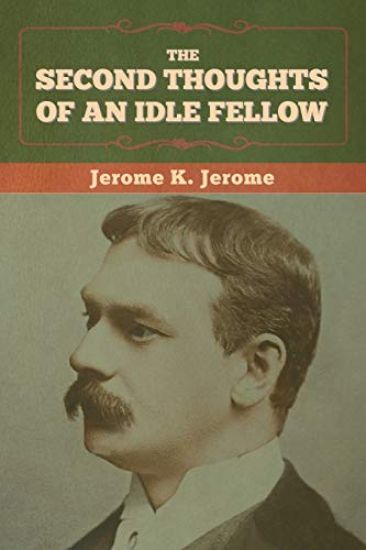
Idle Thoughts of an Idle Fellow, published in 1886, is a collection of humorous essays by Jerome K. ... A second "Idle Thoughts" book, The Second Thoughts of An Idle Fellow, was published in 1898. The essays had previously appeared in Home Chimes, the same magazine that later serialised Jerome's Three Men in a Boat. (Wikipedia.org)CONTENTSOn the Art of Making Up One's Mind On the Disadvantage of Not Getting What One Wants On the Exceptional Merit attaching to the Things We Meant To Do On the Preparation and Employment of Love Philtres On the Delights and Benefits of Slavery On the Care and Management of Women On the Minding of Other People's Business On the Time Wasted in Looking Before One Leaps On the Nobility of Ourselves On the Motherliness of Man On the Inadvisability of Following Advice On the Playing of Marches at the Funerals Of Marionettes
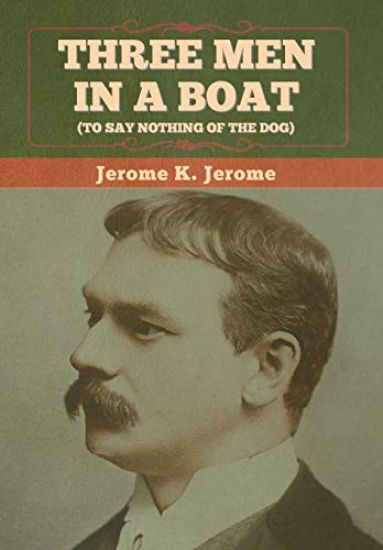
Three Men in a Boat (To Say Nothing of the Dog, published in 1889, is a humorous account by English writer Jerome K. Jerome of a two-week boating holiday on the Thames from Kingston upon Thames to Oxford and back to Kingston. The book was initially intended to be a serious travel guide, with accounts of local history along the route, but the humorous elements took over to the point where the serious and somewhat sentimental passages seem a distraction to the comic novel. One of the most praised things about Three Men in a Boat is how undated it appears to modern readers - the jokes have been praised as fresh and witty. The three men are based on Jerome himself (the narrator Jerome K. Jerome) and two real-life friends, George Wingrave (who would become a senior manager at Barclays Bank) and Carl Hentschel (the founder of a London printing business, called Harris in the book), with whom Jerome often took boating trips. The dog, Montmorency, is entirely fictional but, "as Jerome admits, developed out of that area of inner consciousness which, in all Englishmen, contains an element of the dog". The trip is a typical boating holiday of the time in a Thames camping skiff. This was just after commercial boat traffic on the Upper Thames had died out, replaced by the 1880s craze for boating as a leisure activity. Following the overwhelming success of Three Men in a Boat, Jerome later published a sequel, about a cycling tour in Germany, titled Three Men on the Bummel (also known as Three Men on Wheels, 1900). (wikipedia.org)
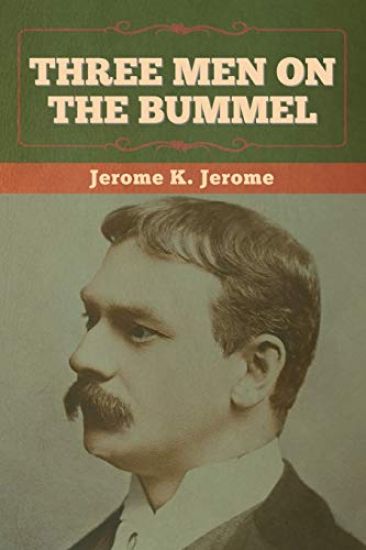
Three Men on the Bummel (also known as Three Men on Wheels) is a humorous novel by Jerome K. Jerome. It was published in 1900, eleven years after his most famous work, Three Men in a Boat (To Say Nothing of the Dog). The sequel brings back the three companions who figured in Three Men in a Boat, this time on a bicycle tour through the German Black Forest. D. C. Browning's introduction to the 1957 Everyman's edition says "Like most sequels, it has been compared unfavourably with its parent story, but it was only a little less celebrated than Three Men in a Boat and was for long used as a school book in Germany." Jeremy Nicholas of the Jerome K. Jerome Society regards it as a "comic masterpiece" containing "set pieces" as funny or funnier than those in its predecessor, but, taken as a whole, not as satisfying due to the lack of as strong a unifying thread. (wikipedia.org)