Kirjojen hintavertailu – 12 859 827 kirjaa ja 27 kauppaa

Kirjailija

Jerry Jenkins

Kirjat ja teokset yhdessä paikassa: 15 kirjaa, julkaisuja vuosilta 2004–2025, suosituimpiin kuuluu Mosses of the Northern Forest. Vertaile teosten hintoja ja tarkista saatavuus suomalaisista kirjakaupoista.

15 kirjaa

Kirjojen julkaisuvuodet: 2004–2025.

Field Guide to the Woody Plants of the Northern Forest

Field Guide to the Woody Plants of the Northern Forest

Jerry Jenkins

CORNELL UNIVERSITY PRESS
2025
pokkari

Halvin toimitettuna 25,60 €

The Field Guide to the Woody Plants of the Northern Forest is a compact guide to the ecology, geography, and identification of the trees, shrubs, and wood vines of the northeastern United States and adjacent Canada. It 272 species, provides 80 quick guides and charts for rapid identification, and contains nearly 3,000 color drawings and photos. It is the first field guide in sixty-five years to cover the trees and shrubs of the Northern Forest Region; the first ever to include quick guides to habitats, buds, leaves, flowers, fruits, and families; and the first ever to use stacked photos and colored vector drawings throughout. A companion digital atlas with 2,200 additional images is available as a free download on the Atlas website, northernforestatlas.org.
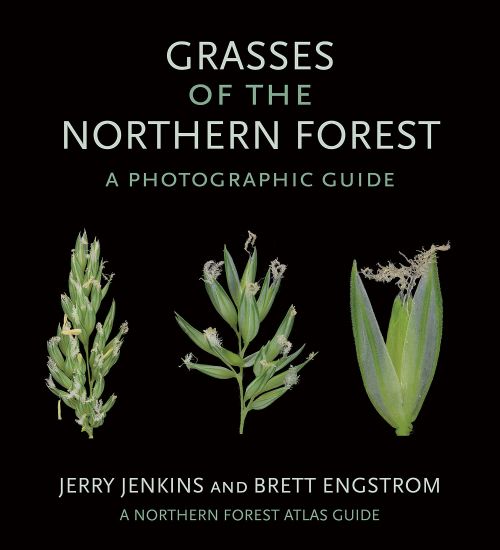
Grasses of the Northern Forest

Grasses of the Northern Forest

Jerry Jenkins; Brett Engstrom

CORNELL UNIVERSITY PRESS
2022
pokkari
The Northern Forest Region lies between the oak forests of the eastern United States and the boreal forests of eastern Canada. It is, collectively, one of the largest and most continuous temperate forests left in the world and, like much of the biosphere, it is at risk. This guide is an essential companion for those interested in stewardship and conservation of the region. With multi-image composite photos that allow for unparalleled depth and clarity, this unique guide illustrates the myriad varied and beautiful—and often overlooked—grasses of the Northern Forest. Large, easy-to-use format Easily characterize and compare 166 grass species High-definition composite images, ecological diagrams, habitat keys, and a visual glossary The complete Northern Forest Atlas Guide collection is now available: * Woody Plants of the Northern Forest * Sedges of the Northern Forest * Mosses of the Northern Forest * Grasses of the Northern Forest Companion foldout charts for field use are available for each photographic guide. A complete online archive of images and articles, including digital atlases, is available at northernforestatlas.org.
The Best Medicine – Tales of Humor and Hope from a Small–Town Doctor

The Best Medicine – Tales of Humor and Hope from a Small–Town Doctor

Walt MD Larimore; Jerry Jenkins

Revell, a division of Baker Publishing Group
2020
nidottu
When Dr. Walt Larimore moved his young family to Kissimmee, Florida, to start a small-town medical practice in 1985, he had no idea he was embarking on an enterprise that would change his life in ways both large and small. But there's no telling what you'll run into as a family physician in a rural, small-town community. Perfect for anyone yearning for a simpler, slower pace of life, as well as fans of Dr. Larimore's popular Bryson City series, The Best Medicine is a tender and insightful collection of stories chronicling one young doctor's passage from inexperience to maturity as a physician, husband, father, and community member. Filled with characters colorful and crusty, warm-hearted and hot-headed, witty and winsome, these captivating stories glow with warmth, love, and humor. You'll laugh, you'll cry, and you'll wish Dr. Larimore was your doctor.
Grasses, Sedges, Rushes

Grasses, Sedges, Rushes

Lauren Brown; Ted Elliman; Jerry Jenkins

Yale University Press
2020
pokkari
A portable, practical and expertly illustrated field guide to over one hundred grasses, sedges, and rushes—winner of 2020 Library Journal Best Reference Pick of the Year in the Science & Technology category “No one will be able to claim that the identification of grasses, sedges, and rushes . . . are simply ‘too difficult’ after they have learned to use this excellent guide.”—Peter Raven, President Emeritus, Missouri Botanical Garden This elegant and easy-to-use guide is an updated and amended revision of Lauren Brown’s seminal Grasses: An Identification Guide, which was first published in 1979. While maintaining the spirit and goals of the original edition—a portable, straightforward, and user-friendly guide for naturalists and plant enthusiasts—the new edition features more than one hundred grasses, sedges, and rushes that are presented with line drawings and color photographs, concise descriptions, and details on the uses of various plants throughout history. In addition, the authors are careful to highlight the subtle differences in similar species to avoid confusion, as well as offering relevant notes on plant survival strategies, invasiveness, and how different plants fit within the broader ecological landscape. Devoid of technical jargon, this volume is an indispensable tool for those curious about the often-overlooked grasses, sedges, and rushes that surround us.
Mosses of the Northern Forest

Mosses of the Northern Forest

Jerry Jenkins

Comstock Publishing Associates
2020
pokkari
This guide is an essential companion for those interested in stewardship and conservation of the region. The Northern Forest Region lies between the oak forests of the eastern United States and the boreal forests of eastern Canada. It is, collectively, one of the largest and most continuous temperate forests left in the world and, like much of the biosphere, it is at risk. With multi-image composite photos that allow for unparalleled depth and clarity, this unique guide illustrates the myriad varied and beautiful-and often overlooked-mosses of the Northern Forest. •Large, easy-to-use format •Easily characterize and compare over 300 moss species •High-definition composite images, ecological diagrams, habitat keys, and a visual glossary •Accompanying large-scale foldout charts also available A complete online archive of images and articles, including digital atlases, is available at northernforestatlas.org.
Mosses of the Northern Forest

Mosses of the Northern Forest

Jerry Jenkins

CORNELL UNIVERSITY PRESS
2020
muu
The Quick Guide for Mosses of the Northern Forest contains two double-sided photographic charts that allow users to see high-res, close-up images of the more than 300 mosses in the Northern Forest region. The map-sized folding charts are water-resistant and field-friendly, the perfect companion to the Photographic Guide.
Sedges of the Northern Forest

Sedges of the Northern Forest

Jerry Jenkins

Comstock Publishing Associates
2019
muu
Sedges of the Northern Forest contains two double-sided photographic charts that allow users to see high-res, close-up images of the more than 200 sedges in the Northern Forest region. The map-sized folding charts are water-resistant and field-friendly, the perfect companion to the Photographic Guide. This product was produced by the Northern Forest Atlas Foundation.
Sedges of the Northern Forest

Sedges of the Northern Forest

Jerry Jenkins

Comstock Publishing Associates
2019
pokkari
The Northern Forest Region lies between the oak forests of the eastern United States and the boreal forests of eastern Canada. It is, collectively, one of the largest and most continuous temperate forests left in the world and, like much of the biosphere, it is at risk. This guide is an essential companion for those interested in stewardship and conservation of the region. Through multi-image composite photos that allow for unparalleled depth and clarity, this unique guide illustrates the 236 varied and beautiful, and often overlooked, sedges of the Northern Forest. •Large, easy-to-use format •Easily identify and compare different sedges •Fully illustrated with high-definition composite images •Accompanying large-scale foldout charts also available A complete online archive of images and articles, including digital atlases, is available at northernforestatlas.org.
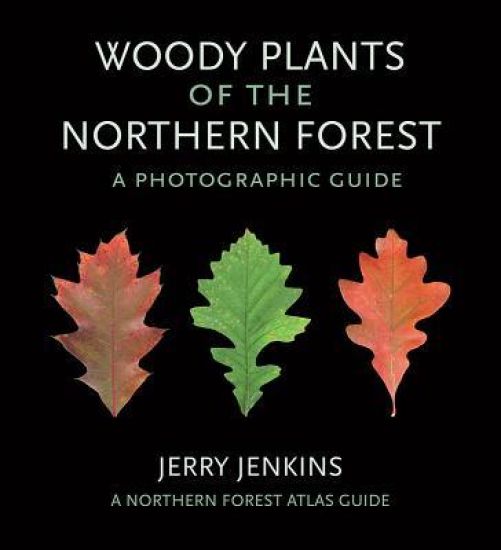
Woody Plants of the Northern Forest

Woody Plants of the Northern Forest

Jerry Jenkins

Cornell University Press
2018
pokkari
The Northern Forest Region lies between the oak forests of the eastern United States and the boreal forests of eastern Canada. It is, collectively, one of the largest and most continuous temperate forests left in the world and, like much of the biosphere, it is at risk. This guide is an essential companion for those interested in stewardship and conservation of the region. Through multi-image composite photos that allow for unparalleled depth and clarity, this unique guide illustrates the majority of the 265 species of woody plants present in the forest and its associated communities. With a visual glossary, nineteen quick guides, and five systematic sections, this book is intended as a quick reference for the rapid identification of twigs and leaves. It is an invaluable tool for foresters and an excellent teaching guide for all ages. Large, easy-to-use format Easily compare different species Fully illustrated with high-definition composite images Accompanying large-scale foldout charts also available A complete online archive of images and articles, including digital atlases, is available at northernforestatlas.org.
Woody Plants of the Northern Forest

Woody Plants of the Northern Forest

Jerry Jenkins

CORNELL UNIVERSITY PRESS
2018
muu
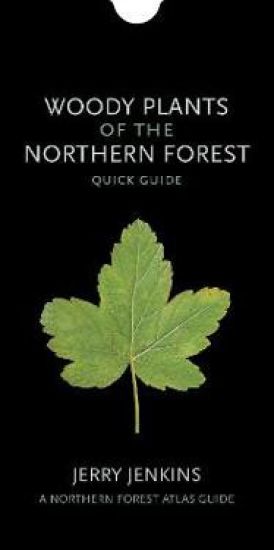
The Quick Guide for Woody Plants of the Northern Forest contains two double-sided photographic charts. The summer chart shows the leaves of over 200 deciduous trees, shrubs, vines, and creepers of the Northern Forest. The winter chart shows the buds of about 185 deciduous trees and shrubs. The map-sized folding charts are water-resistant and field-friendly, the perfect companion to the Photographic Guide. This product was produced by the Northern Forest Atlas Foundation.
Climate Change in the Adirondacks

Climate Change in the Adirondacks

Jerry Jenkins; Bill McKibben

Comstock Publishing Associates
2010
pokkari
Although global in scale, the impact of climate change will be felt at the local level. Refocusing our attention away from the ice shelves disintegrating in the Antarctic, the flooding of Pacific islands, and carbon inventories measured in billions of tons, Jerry Jenkins turns to changes that are already occurring much closer to home, changes that threaten to transform one of America's great wildernesses, the Adirondack region, into a damaged and unfamiliar landscape. With the aid of comprehensive color illustrations, graphs, charts, and maps, Jenkins demonstrates the fundamental reality of climate change on a local level and presents his analysis and discussion of the available data for the Adirondacks. The region's culture, biology, and economy are already shifting rapidly: boreal species such as the spruce grouse are in decline, pests such as the mountain pine beetle and black-legged tick are moving in, and ski areas are suffering from lack of snow. Jenkins goes on to deliver a critical message: changes in personal energy consumption can fundamentally alter the present trajectory of global warming. Climate Change in the Adirondacks provides a road map for how individuals and communities whether inside the Blue Line or beyond can reduce their reliance on fossil fuels and lead the way toward a more responsible future.
Acid Rain in the Adirondacks

Acid Rain in the Adirondacks

Jerry Jenkins; Karen Roy; Charles T. Driscoll; Christopher Buerkett

Comstock Publishing Associates
2007
pokkari
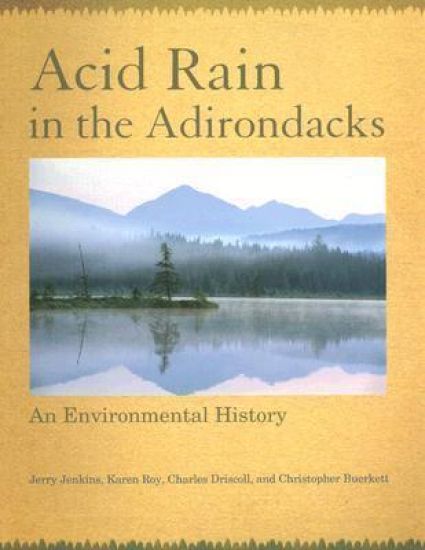
Acid rain has changed the face of the Adirondacks, created political tensions between the Northeast and the Midwest, and served as both a harbinger of global climate change and a "fire drill" for public- and private-sector responses to environmental crises. The history of acid rain research is a striking case in which a large-scale and long-term environmental problem was addressed in part through scientifically motivated changes in public policy. In the 1970s, acid rain was viewed as a simple problem that was limited in scope and characterized by "dead," fishless lakes. Scientists now have broader insights into the processes by which acid rain sets off a cascade of adverse effects in ecosystems as its components move through air, soil, vegetation, and surface waters. Written and designed to appeal to both scientists and lay readers, this book is a landmark example of scientific communication that provides a comprehensive scientific history of the phenomenon, from its discovery to the full understanding of the scope of its effects and the ultimate responses that have mitigated some of the damage to the region's lakes and forests. Published in association with the Adirondack Lakes Survey Corporation with the support of the Wildlife Conservation Society, United States Environmental Protection Agency, New York State Department of Environmental Conservation, and New York State Energy Research and Development Authority.
Tattooed Rats

Tattooed Rats

Jerry Jenkins

Thomas Nelson Publishers
2006
nidottu
Christianity is outlawed. Sharing faith is considered hate speech. Worship is done in secret underground settings. Patch, a high school student, has to form his own beliefs, and try not to get killed along the way. He meets characters such as the Wharf Rats, a gang covered in tattoos, who turn out to be believers. Schoolmates betray. True friends are hard to find. Spiritual forces intervene causing havoc and deception. Through it all, can Patch's faith prevail?
The Adirondack Atlas

The Adirondack Atlas

Jerry Jenkins

Syracuse University Press
2004
nidottu
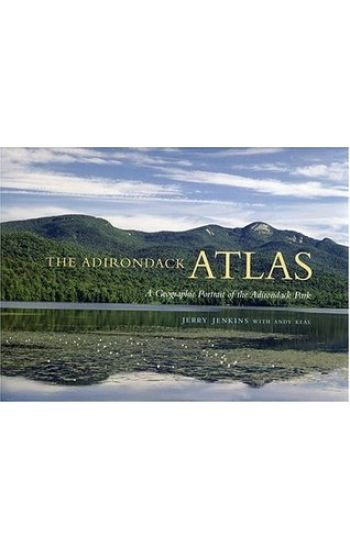
The Adirondack Atlas provides a portal to the past, a mirror of the present, and a window to the future for a remarkable land and its people. It brings to life the rich mix of history, culture, economics, and wilderness that characterizes the Adirondack region, including its vast capacity for adaptation and recovery. From its geologic origins to its contentious history of conservation, the Adirondack Park occupies a distinctive place among the world's protected areas. As the park enters the twenty-first century, more than half its land remains in private hands, and conflict is a recurrent theme in the Adirondack conservation legacy. More than 130,000 year-round residents strive to adapt to ever-changing economic challenges, while the beaver, moose, and martin thrive within a widely restored ecosystem. Yet for all its flaws, the Adirondack experiment is looks relevant in a world where people, wilderness, and wildlife must find ways to coexist. The Adirondack Atlas uses geographical information systems to generate and interpret a broad range of information from social, economic, historical, and environmental documentary sources. The writers, in a Joint effort with the Wildlife Conservation Society, provide a thought-provoking, multifaceted image of a fascinating region and include hundreds of full-color figures and maps that form a detailed analysis of every aspect of the Adirondacks.