Kirjojen hintavertailu – 12 903 724 kirjaa ja 27 kauppaa

Kirjailija

Jie Dong

Kirjat ja teokset yhdessä paikassa: 4 kirjaa, julkaisuja vuosilta 2016–2025, suosituimpiin kuuluu IPv6 Network Slicing. Vertaile teosten hintoja ja tarkista saatavuus suomalaisista kirjakaupoista.

4 kirjaa

Kirjojen julkaisuvuodet: 2016–2025.

IPv6 Network Slicing

IPv6 Network Slicing

Zhenbin Li; Jie Dong; Yawei Zhang; Xinzong Zeng

TAYLOR FRANCIS LTD
2025
nidottu
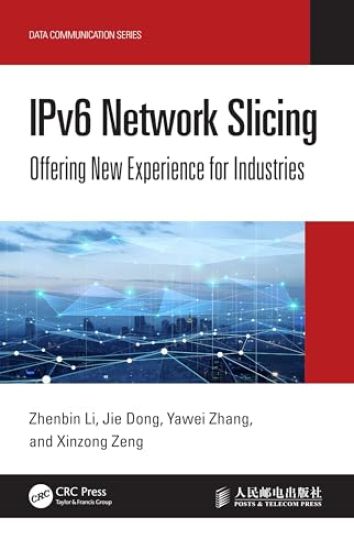
This book is an essential guide to IPv6 network slicing. It covers both the fundamentals and cutting-edge technologies of IPv6 network slicing, and provides insights into future industry developments. IP network slicing is an architectural innovation that provides multiple dedicated logical networks on a shared physical network. It comprises a complete set of solutions designed to meet the differentiated service requirements of the 5G and cloud era. This book focuses on IP network slicing based on the data plane of IPv6, a second-generation network layer protocol standard designed to address many of the problems encountered with IPv4. The book explores the technical implementation of IPv6 network slicing by introducing its architecture, implementation solutions, resource partitioning technologies, data plane technologies, and control plane technologies. It also explains how to deploy IPv6 network slicing through slice controllers and provides deployment suggestions based on Huawei practices. It is a must-read for professional engineers involved in network planning, design, and technology support. Researchers and students in information and communication technology and communication system design will also find it useful.
IPv6 Network Slicing

IPv6 Network Slicing

Zhenbin Li; Jie Dong; Yawei Zhang; Xinzong Zeng

TAYLOR FRANCIS LTD
2024
sidottu
This book is an essential guide to IPv6 network slicing. It covers both the fundamentals and cutting-edge technologies of IPv6 network slicing, and provides insights into future industry developments. IP network slicing is an architectural innovation that provides multiple dedicated logical networks on a shared physical network. It comprises a complete set of solutions designed to meet the differentiated service requirements of the 5G and cloud era. This book focuses on IP network slicing based on the data plane of IPv6, a second-generation network layer protocol standard designed to address many of the problems encountered with IPv4. The book explores the technical implementation of IPv6 network slicing by introducing its architecture, implementation solutions, resource partitioning technologies, data plane technologies, and control plane technologies. It also explains how to deploy IPv6 network slicing through slice controllers and provides deployment suggestions based on Huawei practices. It is a must-read for professional engineers involved in network planning, design, and technology support. Researchers and students in information and communication technology and communication system design will also find it useful.
The Sociolinguistics of Voice in Globalising China
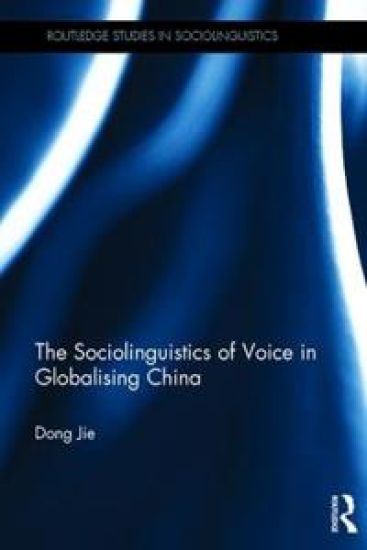
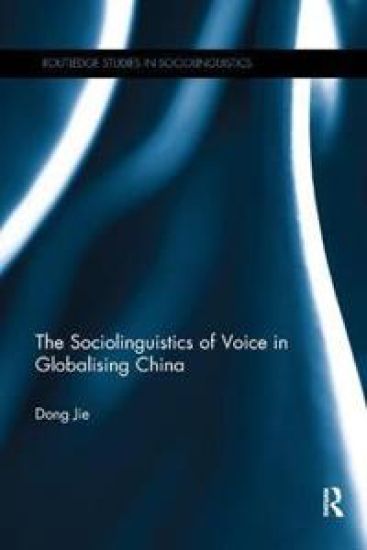
This book deploys and develops the notion of voice in an investigation of China’s rapidly reshuffling society. The book is structured around two aspects of the voicing process in contemporary China: (1) stratification of voice, which addresses the stabilizing condition of voice; and (2) restratification of voice that draws attention to the dynamics of the system of which the order is reshuffling and not yet apparent. This structure allows us to unveil the hidden forces played out in the voice making process and to stratifying and re-stratifying process of contemporary Chinese society in which some people are making themselves heard whereas others are losing voice. Despite its importance and usefulness, voice has been under theorized in recent decades. The ambitions of this book therefore are to invest serious efforts in developing the notion and to position it in the center of the theoretical toolkits available to students and scholars within and outside sociolinguistics.
The Sociolinguistics of Voice in Globalising China
This book deploys and develops the notion of voice in an investigation of China’s rapidly reshuffling society. The book is structured around two aspects of the voicing process in contemporary China: (1) stratification of voice, which addresses the stabilizing condition of voice; and (2) restratification of voice that draws attention to the dynamics of the system of which the order is reshuffling and not yet apparent. This structure allows us to unveil the hidden forces played out in the voice making process and to stratifying and re-stratifying process of contemporary Chinese society in which some people are making themselves heard whereas others are losing voice. Despite its importance and usefulness, voice has been under theorized in recent decades. The ambitions of this book therefore are to invest serious efforts in developing the notion and to position it in the center of the theoretical toolkits available to students and scholars within and outside sociolinguistics.