

Kirjojen hintavertailu – 12 903 724 kirjaa ja 27 kauppaa

Kirjailija

Jim Geekie

Kirjat ja teokset yhdessä paikassa: 2 kirjaa, julkaisuja vuosilta 2009–2016, suosituimpiin kuuluu Making Sense of Madness. Vertaile teosten hintoja ja tarkista saatavuus suomalaisista kirjakaupoista.

2 kirjaa

Kirjojen julkaisuvuodet: 2009–2016.

Making Sense of Madness

Making Sense of Madness

Jim Geekie; John Read

Routledge
2016
sidottu
The experience of madness – which might also be referred to more formally as ‘schizophrenia’ or ‘psychosis’ – consists of a complex, confusing and often distressing collection of experiences, such as hearing voices or developing unusual, seemingly unfounded beliefs. Madness, in its various forms and guises, seems to be a ubiquitous feature of being human, yet our ability to make sense of madness, and our knowledge of how to help those who are so troubled, is limited. Making Sense of Madness explores the subjective experiences of madness. Using clients' stories and verbatim descriptions, it argues that the experience of 'madness' is an integral part of what it is to be human, and that greater focus on subjective experiences can contribute to professional understandings and ways of helping those who might be troubled by these experiences. Areas of discussion include: how people who experience psychosis make sense of it themselvesscientific/professional understandings of ‘madness'what the public thinks about ‘schizophrenia’ Making Sense of Madness will be essential reading for all mental health professionals as well as being of great interest to people who experience psychosis and their families and friends.
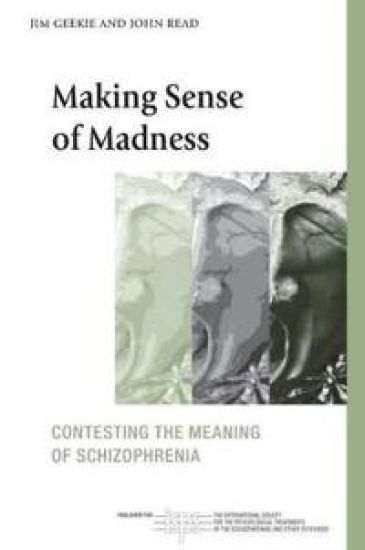
Making Sense of Madness

Making Sense of Madness

Jim Geekie; John Read

Routledge
2009
nidottu
The experience of madness – which might also be referred to more formally as ‘schizophrenia’ or ‘psychosis’ – consists of a complex, confusing and often distressing collection of experiences, such as hearing voices or developing unusual, seemingly unfounded beliefs. Madness, in its various forms and guises, seems to be a ubiquitous feature of being human, yet our ability to make sense of madness, and our knowledge of how to help those who are so troubled, is limited. Making Sense of Madness explores the subjective experiences of madness. Using clients' stories and verbatim descriptions, it argues that the experience of 'madness' is an integral part of what it is to be human, and that greater focus on subjective experiences can contribute to professional understandings and ways of helping those who might be troubled by these experiences. Areas of discussion include: how people who experience psychosis make sense of it themselvesscientific/professional understandings of ‘madness'what the public thinks about ‘schizophrenia’ Making Sense of Madness will be essential reading for all mental health professionals as well as being of great interest to people who experience psychosis and their families and friends.