Kirjojen hintavertailu – 12 903 725 kirjaa ja 27 kauppaa
Kirjailija
Jim Mckinley
Kirjat ja teokset yhdessä paikassa: 8 kirjaa, julkaisuja vuosilta 2013–2027, suosituimpiin kuuluu Data Collection Research Methods in Applied Linguistics. Vertaile teosten hintoja ja tarkista saatavuus suomalaisista kirjakaupoista.
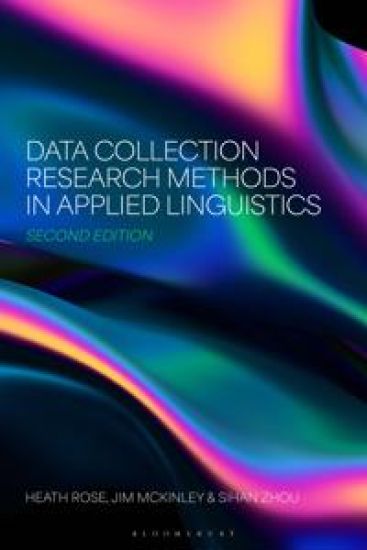
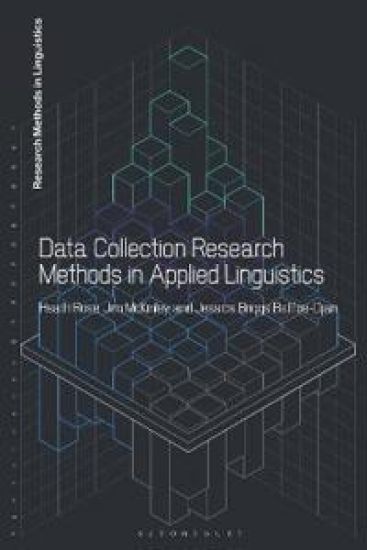
The successful collection of data is a key challenge to obtaining reliable and valid results in applied linguistics research. Data Collection Research Methods in Applied Linguistics investigates how research is conducted in the field, encompassing the challenges and obstacles applied linguists face in collecting good data. The book explores frequently used data collection techniques, including: * interviews and focus groups * observations* stimulated recall and think aloud protocols * data elicitation tasks * corpus methods * questionnaires * validated tests and measures Each chapter focuses on one type of data collection, outlining key concepts, threats to reliability and validity, procedures for good data collection, and implications for researchers. The chapters also include exemplary research projects, showcasing and explaining for readers how the technique was used to collect data in a successfully published study. This book is an essential resource for both novice and experienced applied linguists tackling data collection techniques for the first time.
The successful collection of data is a key challenge to obtaining reliable and valid results in applied linguistics research. Data Collection Research Methods in Applied Linguistics investigates how research is conducted in the field, encompassing the challenges and obstacles applied linguists face in collecting good data. The book explores frequently used data collection techniques, including: * interviews and focus groups * observations* stimulated recall and think aloud protocols * data elicitation tasks * corpus methods * questionnaires * validated tests and measures Each chapter focuses on one type of data collection, outlining key concepts, threats to reliability and validity, procedures for good data collection, and implications for researchers. The chapters also include exemplary research projects, showcasing and explaining for readers how the technique was used to collect data in a successfully published study. This book is an essential resource for both novice and experienced applied linguists tackling data collection techniques for the first time.