Kirjojen hintavertailu – 12 903 724 kirjaa ja 27 kauppaa
Kirjailija
Jim Pojar
Kirjat ja teokset yhdessä paikassa: 4 kirjaa, julkaisuja vuosilta 2017–2026, suosituimpiin kuuluu Plants of the Pacific Coast. Vertaile teosten hintoja ja tarkista saatavuus suomalaisista kirjakaupoista.
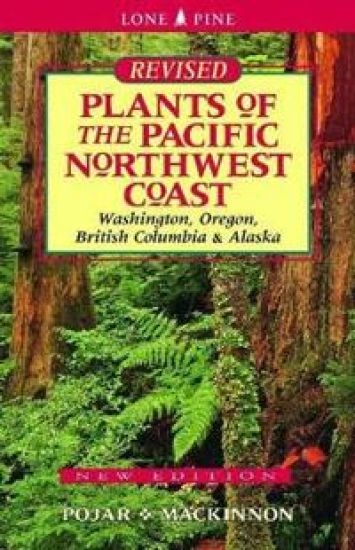
This easy-to-use field guide features 794 species of plants commonly found along the Pacific coast from Oregon to Alaska, including trees, shrubs, wildflowers, aquatic plants, grasses, ferns, mosses and lichens. PLANTS OF THE PACIFIC NORTHWEST COAST covers the coastal region from shoreline to alpine, including the western Cascades. Includes: * 1100 color photographs * More than 1000 line drawings and silhouettes * Clear species descriptions and keys to groups * Descriptions of each plant's habitat and range * 794 new color range maps. * Rich and engaging notes on each species describe aboriginal and other local uses of plants for food, medicine and implements, along with unique characteristics of the plants and the origins of their names. For both amateurs and professionals, this is the best, most accessible, most up-to-date guide of its kind.
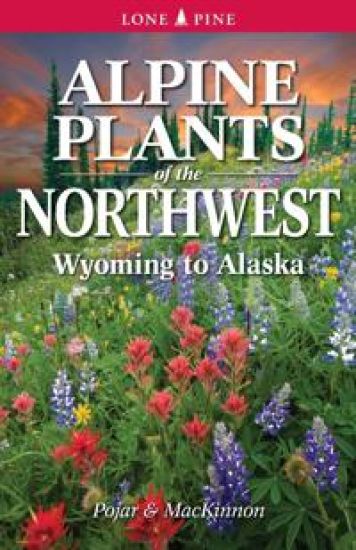
The latest contribution from the unbeatable Andy MacKinnon and Jim Pojar features more than 500 plants found in the alpine regions of western North America from the Arctic to southern Oregon; includes trees, shrubs, flowering plants, grasses, mosses and lichens. Full colour throughout plus maps for each plant.
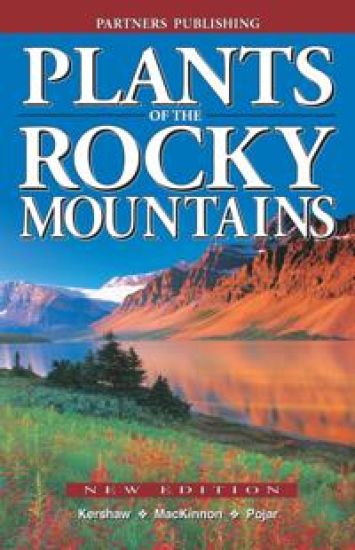
Over 1300 species of trees, shrubs, wildflowers, grasses, ferns, mosses and lichens are described and illustrated. Notes on origin of name, ecology, native uses, edibility and similar species are included, as are color-coded sections to allow for quick identification.