Kirjojen hintavertailu – 12 859 828 kirjaa ja 27 kauppaa

Kirjailija

Jo Boaler

Kirjat ja teokset yhdessä paikassa: 26 kirjaa, julkaisuja vuosilta 2000–2026, suosituimpiin kuuluu Limitless Mind. Vertaile teosten hintoja ja tarkista saatavuus suomalaisista kirjakaupoista.

26 kirjaa

Kirjojen julkaisuvuodet: 2000–2026.

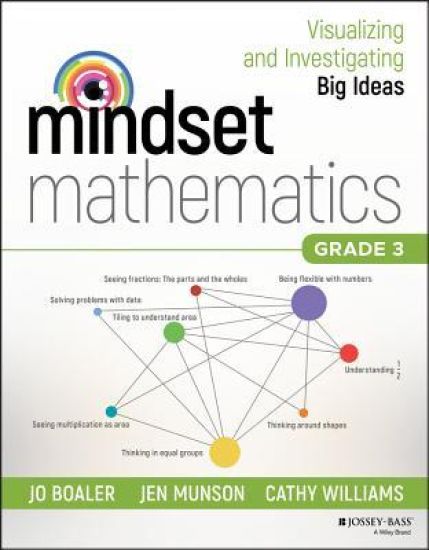
Mindset Mathematics: Visualizing and Investigating Big Ideas, Grade 3

Mindset Mathematics: Visualizing and Investigating Big Ideas, Grade 3

Jo Boaler; Jen Munson; Cathy Williams

Jossey-Bass Inc.,U.S.
2019
nidottu

Halvin toimitettuna 28,50 €

Engage students in mathematics using growth mindset techniques The most challenging parts of teaching mathematics are engaging students and helping them understand the connections between mathematics concepts. In this volume, you'll find a collection of low floor, high ceiling tasks that will help you do just that, by looking at the big ideas at the third-grade level through visualization, play, and investigation. During their work with tens of thousands of teachers, authors Jo Boaler, Jen Munson, and Cathy Williams heard the same message—that they want to incorporate more brain science into their math instruction, but they need guidance in the techniques that work best to get across the concepts they needed to teach. So the authors designed Mindset Mathematics around the principle of active student engagement, with tasks that reflect the latest brain science on learning. Open, creative, and visual math tasks have been shown to improve student test scores, and more importantly change their relationship with mathematics and start believing in their own potential. The tasks in Mindset Mathematics reflect the lessons from brain science that: There is no such thing as a math person - anyone can learn mathematics to high levels. Mistakes, struggle and challenge are the most important times for brain growth. Speed is unimportant in mathematics. Mathematics is a visual and beautiful subject, and our brains want to think visually about mathematics. With engaging questions, open-ended tasks, and four-color visuals that will help kids get excited about mathematics, Mindset Mathematics is organized around nine big ideas which emphasize the connections within the Common Core State Standards (CCSS) and can be used with any current curriculum.
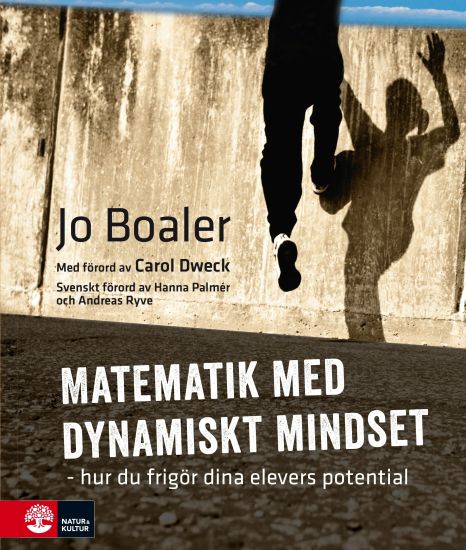
Matematik med dynamiskt mindset : hur du frigör dina elevers potential

Matematik med dynamiskt mindset : hur du frigör dina elevers potential

Jo Boaler; Carol S. Dweck; Hanna Palmer; Andreas Ryve

Natur Kultur Läromedel och Akademi
2017
nidottu
Många elever har svårt för matematik, vilket leder till att de avslutar sin utbildning utan grundläggande kunskaper om matematiska begrepp. Jo Boaler förklarar hur det traditionella sättet att närma sig ämnet kan förändras, så att elever får uppleva lärandets glädje och matematikens skönhet. Matematik med dynamiskt mindset är en banbrytande bok som svarar på frågorna:Hur främjar vi ett dynamiskt mindset hos våra elever, som öppnar för en undervisning som väcker nyfikenhet, kämpaglöd och intresse?· Hur frigör vi våra elevers matematiska potential? Boken riktar sig främst till grundskollärare och lärarstudenter, men har ambitionen att nå och påverka såväl föräldrars som elevers inställning till matematik. Alla borde läsa den!
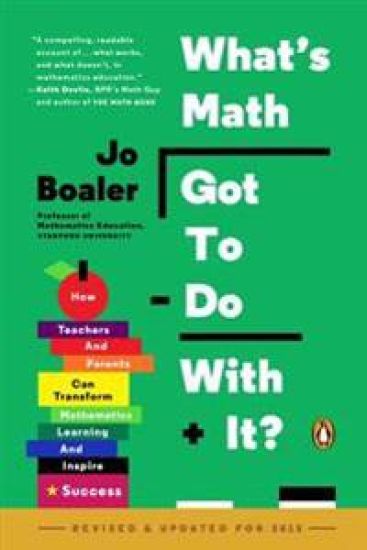
What's Math Got to Do with It?: How Teachers and Parents Can Transform Mathematics Learning and Inspire Success
"Highly accessible and enjoyable for readers who love and loathe math." --Booklist A critical read for teachers and parents who want to improve children's mathematics learning, What's Math Got to Do with It? is "an inspiring resource" (Publishers Weekly). Featuring all the important advice and suggestions in the original edition of What's Math Got to Do with It?, this revised edition is now updated with new research on the brain and mathematics that is revolutionizing scientists' understanding of learning and potential. As always Jo Boaler presents research findings through practical ideas that can be used in classrooms and homes. The new What's Math Got to Do with It? prepares teachers and parents for the Common Core, shares Boaler's work on ways to teach mathematics for a "growth mindset," and includes a range of advice to inspire teachers and parents to give their students the best mathematical experience possible.
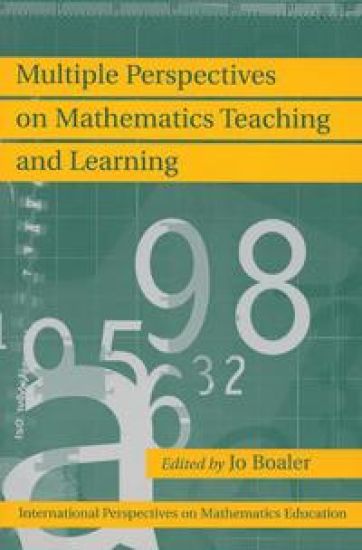
Multiple Perspectives on Mathematics Teaching and Learning
Multiple Perspectives on Mathematics Teaching and Learning offers a collection of chapters that take a new look at mathematics education. Leading authors, such as Deborah Ball, Paul Cobb, Jim Greeno, Stephen Lerman, and Michael Apple, draw from a range of perspectives in their analyses of mathematics teaching and learning. They address such practical problems as: the design of teaching and research that acknowledges the social nature of learning, maximizing the impact of teacher education programs, increasing the learning opportunities of students working in groups, and ameliorating the impact of male domination in mixed classrooms. These practical insights are combined with important advances in theory. Several of the authors address the nature of learning and teaching, including the ways in which theories and practices of mathematics education recognize learning as simultaneously social and individual. The issues addressed include teaching practices, equity, language, assessment, group work and the broader political context of mathematics reform. The contributors variously employ sociological, anthropological, psychological, sociocultural, political, and mathematical perspectives to produce powerful analyses of mathematics teaching and learning.