Kirjojen hintavertailu – 12 903 725 kirjaa ja 27 kauppaa

Kirjailija

Joanna Haynes

Kirjat ja teokset yhdessä paikassa: 7 kirjaa, julkaisuja vuosilta 2001–2014, suosituimpiin kuuluu Philosophy and Education. Vertaile teosten hintoja ja tarkista saatavuus suomalaisista kirjakaupoista.

7 kirjaa

Kirjojen julkaisuvuodet: 2001–2014.

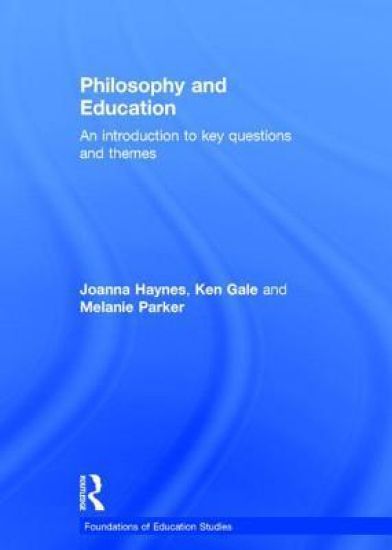
Philosophy and Education

Philosophy and Education

Joanna Haynes; Ken Gale; Melanie Parker

Routledge
2014
sidottu
Written specifically for education studies students, this accessible text offers a clear introduction to philosophy and education. It skilfully guides readers through this challenging and sometimes complex area bringing key philosophical ideas and questions to life in the context and practice of education. There is also a companion website to accompany the book, featuring live weblinks for each activity which can be visited at www.routledge.com/cw/haynes. The authors consider the implications of educational trends and movements through a variety of philosophical lenses such as Marxism, utopianism, feminism and poststructuralism. The book explores enduring themes such as childhood and contemporary issues such as the teaching of critical thinking and philosophy in schools. Features include: a range of individual and group activities that invite questioning and discussion case studies and examples from a variety of formal and informal education settings and contexts reference to philosophically informed practices of research, reading, writing and teaching suggestions for further reading in philosophy and education overviews and - and key questions for each chapter Drawing on readers’ experiences of education, the book reveals the connections between philosophical ideas and educational policy and practice. Part of the Foundations in Education Studies series, this timely textbook is essential reading for students coming to the study of philosophy and education for the first time.
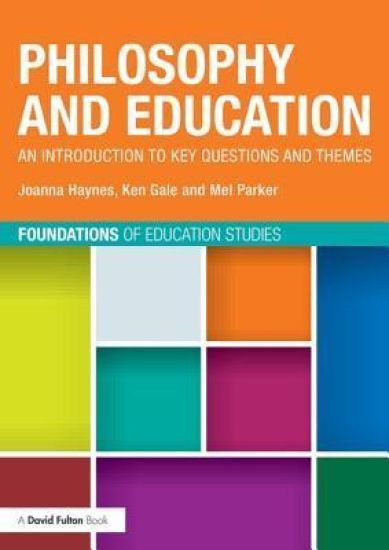
Philosophy and Education

Philosophy and Education

Joanna Haynes; Ken Gale; Melanie Parker

Routledge
2014
nidottu
Written specifically for education studies students, this accessible text offers a clear introduction to philosophy and education. It skilfully guides readers through this challenging and sometimes complex area bringing key philosophical ideas and questions to life in the context and practice of education. There is also a companion website to accompany the book, featuring live weblinks for each activity which can be visited at www.routledge.com/cw/haynes. The authors consider the implications of educational trends and movements through a variety of philosophical lenses such as Marxism, utopianism, feminism and poststructuralism. The book explores enduring themes such as childhood and contemporary issues such as the teaching of critical thinking and philosophy in schools. Features include: a range of individual and group activities that invite questioning and discussion case studies and examples from a variety of formal and informal education settings and contexts reference to philosophically informed practices of research, reading, writing and teaching suggestions for further reading in philosophy and education overviews and - and key questions for each chapter Drawing on readers’ experiences of education, the book reveals the connections between philosophical ideas and educational policy and practice. Part of the Foundations in Education Studies series, this timely textbook is essential reading for students coming to the study of philosophy and education for the first time.
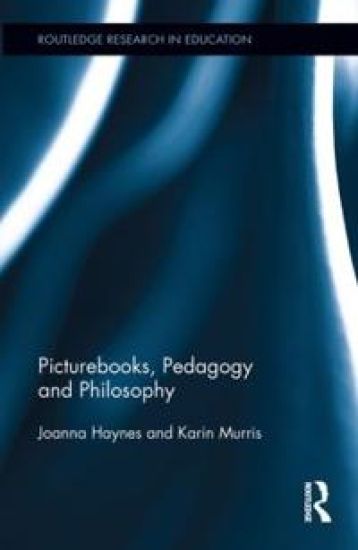
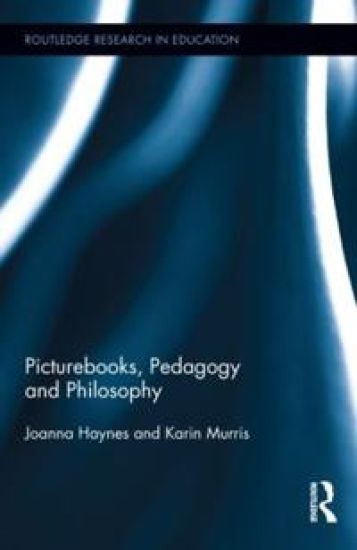
Picturebooks, Pedagogy and Philosophy

Picturebooks, Pedagogy and Philosophy

Joanna Haynes; Karin Murris

Routledge
2012
nidottu
Contemporary picturebooks open up spaces for philosophical dialogues between people of all ages. As works of art, picturebooks offer unique opportunities to explore ideas and to create meaning collaboratively. This book considers censorship of certain well-known picturebooks, challenging the assumptions on which this censorship is based. Through a lively exploration of children’s responses to these same picturebooks the authors paint a way of working philosophically based on respectful listening and creative and authentic interactions, rather than scripted lessons. This dialogical process challenges much current practice in education. The authors propose that a courageous and critical practice of listening is central to the facilitation of mutually educative dialogue. This book will be of interest to scholars and students of education studies, philosophy of education, literacy teaching and learning, children’s literature, childhood and pedagogy.
Picturebooks, Pedagogy and Philosophy

Picturebooks, Pedagogy and Philosophy

Joanna Haynes; Karin Murris

Routledge
2011
sidottu
A CHOICE Outstanding Academic Title 2012! Contemporary picturebooks open up spaces for philosophical dialogues between people of all ages. As works of art, picturebooks offer unique opportunities to explore ideas and to create meaning collaboratively. This book considers censorship of certain well-known picturebooks, challenging the assumptions on which this censorship is based. Through a lively exploration of children’s responses to these same picturebooks the authors paint a way of working philosophically based on respectful listening and creative and authentic interactions, rather than scripted lessons. This dialogical process challenges much current practice in education. The authors propose that a courageous and critical practice of listening is central to the facilitation of mutually educative dialogue. This book will be of interest to scholars and students of education studies, philosophy of education, literacy teaching and learning, children’s literature, childhood and pedagogy.
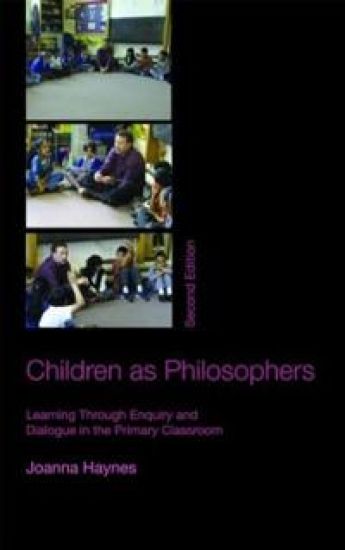
Children as Philosophers

Children as Philosophers

Joanna Haynes

Routledge
2008
nidottu
Since the publication of the first edition of Children as Philosophers in 2002 there has been an enormous growth of interest in philosophy with children. This fully revised second edition suggests ways in which you can introduce philosophical enquiry to your Personal, Social and Health Education and Citizenship teaching and across the curriculum. The book demonstrates children’s capacities to engage in sophisticated processes of dialogue and enquiry about a wide range of issues and underlines the importance of listening to children’s ideas. The author discusses the pleasures and challenges for adults in managing discussion and responding to children's claims to knowledge in the philosophical arena. The author also addresses the well-established Philosophy for Children movement, developed in the USA and Australia and links this to the principles of Every Child Matters. This fascinating book is an invaluable resource for all teachers and trainees seeking a thoughtful and contextualised introduction to the theory and practice of philosophical enquiry with children, including:expanded discussion on children’s voice and participation at schoolthe theory and practice of dialogical approaches to teaching and learningnew evidence of the educational impact of philosophy with children in the classroomwhat should inform the professional choice of resources for teaching philosophywider international debates about learning styles, skills and intelligence. New reports are presented from children, teachers, from the fields of Gifted and Talented and Special Needs Education and from international research carried out over the last five years.
Children as Philosophers

Children as Philosophers

Joanna Haynes

Routledge
2008
sidottu
Since the publication of the first edition of Children as Philosophers in 2002 there has been an enormous growth of interest in philosophy with children. This fully revised second edition suggests ways in which you can introduce philosophical enquiry to your Personal, Social and Health Education and Citizenship teaching and across the curriculum. The book demonstrates children’s capacities to engage in sophisticated processes of dialogue and enquiry about a wide range of issues and underlines the importance of listening to children’s ideas. The author discusses the pleasures and challenges for adults in managing discussion and responding to children's claims to knowledge in the philosophical arena. The author also addresses the well-established Philosophy for Children movement, developed in the USA and Australia and links this to the principles of Every Child Matters. This fascinating book is an invaluable resource for all teachers and trainees seeking a thoughtful and contextualised introduction to the theory and practice of philosophical enquiry with children, including:expanded discussion on children’s voice and participation at schoolthe theory and practice of dialogical approaches to teaching and learningnew evidence of the educational impact of philosophy with children in the classroomwhat should inform the professional choice of resources for teaching philosophywider international debates about learning styles, skills and intelligence. New reports are presented from children, teachers, from the fields of Gifted and Talented and Special Needs Education and from international research carried out over the last five years.