Kirjojen hintavertailu – 12 903 725 kirjaa ja 27 kauppaa
Kirjailija
Joe Painter
Kirjat ja teokset yhdessä paikassa: 6 kirjaa, julkaisuja vuosilta 2004–2018, suosituimpiin kuuluu New Borders. Vertaile teosten hintoja ja tarkista saatavuus suomalaisista kirjakaupoista.
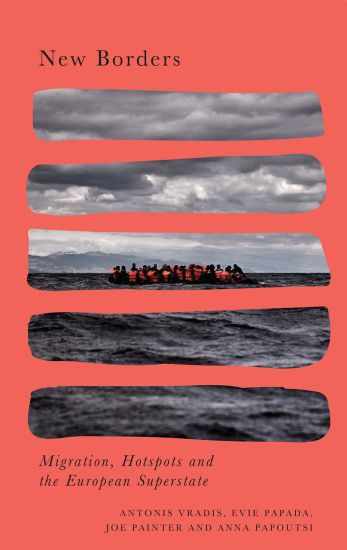
To many, a border is a geographical fact. But what happens when a border is subject to an emergency? Today, as millions are forced to migrate due to war, famine and political unrest, it is important to analyse how states use new bordering techniques to control populations. New Borders focuses on the Greek island of Lesbos. Since 2015, the island has come under intense scrutiny as more than one million people have disembarked on its shores. During this time, the authors spent two years studying the changing meanings and functions of the EU's border. They observed how the reception of the refugees slid into detention and refuge became duress. Examining how and why this happened, they tackle questions on European policy, the securitisation of national and EU borders and the real impacts this has had on everyday life, determining who 'belongs' where and when.
To many, a border is a geographical fact. But what happens when a border is subject to an emergency? Today, as millions are forced to migrate due to war, famine and political unrest, it is important to analyse how states use new bordering techniques to control populations. New Borders focuses on the Greek island of Lesbos. Since 2015, the island has come under intense scrutiny as more than one million people have disembarked on its shores. During this time, the authors spent two years studying the changing meanings and functions of the EU's border. They observed how the reception of the refugees slid into detention and refuge became duress. Examining how and why this happened, they tackle questions on European policy, the securitisation of national and EU borders and the real impacts this has had on everyday life, determining who 'belongs' where and when.
"A very good overview. Covers the key topics well and in an accessible and engaging style." - Dr Daniel Hammett, Department of Geography, Sheffield University This is a revised and updated edition of a core undergraduate resource for political geography. Focusing on the social and cultural while systematically overviewing the entire discipline, Joe Painter and Alex Jeffrey explain: Politics, geography, and 'political' geography: power, resources, institutions, and the history of the fieldState formation: classical views alongside recent work on governance and governmentalityWelfare to workfare state: the restructuring of present state strategiesDemocracy, citizenship and law: different models of democracy in European and global contextsIdentity and social movements: the relation between identity and political action Nationalism and regionalism: ethnicity, national identity and "otherness"Imperialism and post-colonialism: from world systems theory to post-structuralist accountsGeopolitics: the political, economic, and strategic significance of geography. Comprehensive, accessible and illustrated with real world examples, Political Geography provides undergraduates with a thorough understanding of the relationship between geography and politics.
"A very good overview. Covers the key topics well and in an accessible and engaging style." - Dr Daniel Hammett, Department of Geography, Sheffield University This is a revised and updated edition of a core undergraduate resource for political geography. Focusing on the social and cultural while systematically overviewing the entire discipline, Joe Painter and Alex Jeffrey explain: Politics, geography, and 'political' geography: power, resources, institutions, and the history of the fieldState formation: classical views alongside recent work on governance and governmentalityWelfare to workfare state: the restructuring of present state strategiesDemocracy, citizenship and law: different models of democracy in European and global contextsIdentity and social movements: the relation between identity and political action Nationalism and regionalism: ethnicity, national identity and "otherness"Imperialism and post-colonialism: from world systems theory to post-structuralist accountsGeopolitics: the political, economic, and strategic significance of geography. Comprehensive, accessible and illustrated with real world examples, Political Geography provides undergraduates with a thorough understanding of the relationship between geography and politics.
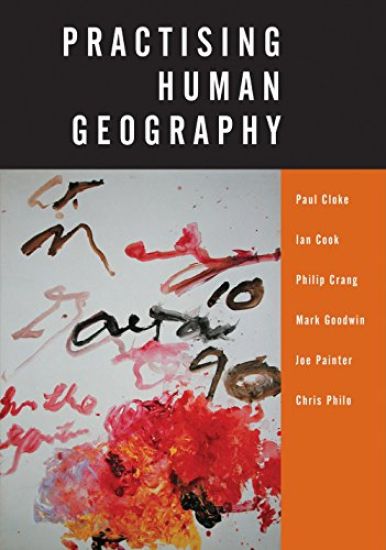
'Filling an enormous gap in the geographic literature, here is a terrific book that shows us how to think about and practice human geographic research' - Professor Jennifer Wolch, University of Southern California `Practising Human Geography lucidly, comprehensively, and sometimes passionately shows why methodology matters, and why it is often so hard. To choose a method is to choose the kind of geographical values one wants to uphold. You need to get it right. These authors do' - Trevor Barnes, University of British Columbia `Practising Human Geography is a godsend for students. Written in an accessible and engaging style, the book demystifies the study of geographical methodology, offering a wealth of practical advice from the authors' own research experience. This is not a manual of approved geographical techniques. It is a reflexive, critical and highly personal account, combining historical depth with up-to-the-minute examples of research in practice. Practising Human Geography is a comprehensive and theoretically informed introduction to the practices of fieldwork, data collection, interpretation and writing, enabling students to make sense of their own data and to develop a critical perspective on the existing literature. The book makes complicated ideas approachable through the effective use of case studies and a firm grasp of contemporary debates' - Peter Jackson, Professor of Human Geography, University of Sheffield Practising Human Geography is a critical introduction to key issues in the practice of human geography, informed by the question 'how do geographers do research?' In examining those methods and practices that are essential to doing geography, the text presents a theoretically-informed discussion of the construction and interpretation of geographical data - including: the use of core research methodologies; using official and non-official sources; and the interpretative role of the researcher. Framed by an overview of how ideas of practising human geography have changed, the twelve chapters offer a comprehensive and integrated overview of research methodologies. The text is illustrated throughout with text boxes, case studies, and definitions of key terms. Practising Human Geography will introduce geographers - from undergraduate to faculty - to the core issues that inform research design and practice.
'Filling an enormous gap in the geographic literature, here is a terrific book that shows us how to think about and practice human geographic research' - Professor Jennifer Wolch, University of Southern California `Practising Human Geography lucidly, comprehensively, and sometimes passionately shows why methodology matters, and why it is often so hard. To choose a method is to choose the kind of geographical values one wants to uphold. You need to get it right. These authors do' - Trevor Barnes, University of British Columbia `Practising Human Geography is a godsend for students. Written in an accessible and engaging style, the book demystifies the study of geographical methodology, offering a wealth of practical advice from the authors' own research experience. This is not a manual of approved geographical techniques. It is a reflexive, critical and highly personal account, combining historical depth with up-to-the-minute examples of research in practice. Practising Human Geography is a comprehensive and theoretically informed introduction to the practices of fieldwork, data collection, interpretation and writing, enabling students to make sense of their own data and to develop a critical perspective on the existing literature. The book makes complicated ideas approachable through the effective use of case studies and a firm grasp of contemporary debates' - Peter Jackson, Professor of Human Geography, University of Sheffield Practising Human Geography is a critical introduction to key issues in the practice of human geography, informed by the question 'how do geographers do research?' In examining those methods and practices that are essential to doing geography, the text presents a theoretically-informed discussion of the construction and interpretation of geographical data - including: the use of core research methodologies; using official and non-official sources; and the interpretative role of the researcher. Framed by an overview of how ideas of practising human geography have changed, the twelve chapters offer a comprehensive and integrated overview of research methodologies. The text is illustrated throughout with text boxes, case studies, and definitions of key terms. Practising Human Geography will introduce geographers - from undergraduate to faculty - to the core issues that inform research design and practice.