

Kirjailija
Joel Chandler Harris
Kirjat ja teokset yhdessä paikassa: 370 kirjaa, julkaisuja vuosilta 1982–2026, suosituimpiin kuuluu Serge Panine , Volume 01 (Edition1). Vertaile teosten hintoja ja tarkista saatavuus suomalaisista kirjakaupoista.
Nimi esiintyy myös muodoissa: Joël Chandler Harris
370 kirjaa
Kirjojen julkaisuvuodet: 1982–2026.



Tales of the Home Folks in Peace and War (1898). By: Joel Chandler Harris: Novel (Illustrated).
Joel Chandler Harris
Createspace Independent Publishing Platform
2018
nidottu
Joel Chandler Harris (December 9, 1848 - July 3, 1908) was an American journalist, fiction writer, and folklorist best known for his collection of Uncle Remus stories. Harris was born in Eatonton, Georgia, where he served as an apprentice on a plantation during his teenage years. He spent most of his adult life in Atlanta working as an associate editor at the Atlanta Constitution. Harris led two professional lives: as the editor and journalist known as Joe Harris, he supported a vision of the New South with the editor Henry W. Grady (1880-1889), stressing regional and racial reconciliation after the Reconstruction era. As Joel Chandler Harris, fiction writer and folklorist, he wrote many 'Brer Rabbit' stories from the African-American oral tradition and helped to revolutionize literature in the process. Life: Education: 1848-1862 Joel Chandler Harris was born in Eatonton, Georgia in 1848 to Mary Ann Harris, an Irish immigrant. His father, whose identity remains unknown, abandoned Mary Ann and the infant shortly after his birth. The parents had never married; the boy was named Joel after his mother's attending physician, Dr. Joel Branham. Chandler was the name of his mother's uncle. Harris remained self-conscious of his illegitimate birth throughout his life. A prominent physician, Dr. Andrew Reid, gave the Harris family a small cottage to use behind his mansion. Mary Harris worked as a seamstress and helped neighbors with their gardening to support herself and her son. She was an avid reader and instilled in her son a love of language: "My desire to write-to give expression to my thoughts-grew out of hearing my mother read The Vicar of Wakefield." Dr. Reid also paid for Harris' school tuition for several years. In 1856, Joe Harris briefly attended Kate Davidson's School for Boys and Girls, but transferred to Eatonton School for Boys later that year. He had an undistinguished academic record and a habit of truancy. Harris excelled in reading and writing, but was mostly known for his pranks, mischief, and sense of humor. Practical jokes helped Harris cloak his shyness and insecurities about his red hair, Irish ancestry, and illegitimacy, leading to both trouble and a reputation as a leader among the older boys. Harris created the first version of the Uncle Remus character for the Atlanta Constitution in 1876 after inheriting a column formerly written by Samuel W. Small, who had taken leave from the paper. In these character sketches, Remus would visit the newspaper office to discuss the social and racial issues of the day. By 1877 Small had returned to the Constitution and resumed his column. Harris did not intend to continue the Remus character. But when Small left the paper again, Harris reprised Remus. He realized the literary value of the stories he had heard from the slaves of Turnwold Plantation. Harris set out to record the stories and insisted that they be verified by two independent sources before he would publish them. He found the research more difficult given his professional duties, urban location, race and, eventually, fame. 14] On July 20, 1879, Harris published "The Story of Mr. Rabbit and Mr. Fox as Told by Uncle Remus" in the Atlanta Constitution. It was the first of 34 plantation fables that would be compiled in Uncle Remus: His Songs and His Sayings (1880). The stories, mostly collected directly from the African-American oral storytelling tradition, were revolutionary in their use of dialect, animal personages, and serialized landscapes................
Nights with Uncle Remus: myths and legends of the old plantation. By: Joel Chandler Harris: Illustrated
Joel Chandler Harris
Createspace Independent Publishing Platform
2018
nidottu
Seventy-two tales told by the old Georgian slave, featuring Brer Rabbit, Brer B'ar, and their animal friends.............. Joel Chandler Harris (December 9, 1848 - July 3, 1908) was an American journalist, fiction writer, and folklorist best known for his collection of Uncle Remus stories. Harris was born in Eatonton, Georgia, where he served as an apprentice on a plantation during his teenage years. He spent most of his adult life in Atlanta working as an associate editor at the Atlanta Constitution. Harris led two professional lives: as the editor and journalist known as Joe Harris, he supported a vision of the New South with the editor Henry W. Grady (1880-1889), stressing regional and racial reconciliation after the Reconstruction era. As Joel Chandler Harris, fiction writer and folklorist, he wrote many 'Brer Rabbit' stories from the African-American oral tradition and helped to revolutionize literature in the process. Life: Education: 1848-1862 Joel Chandler Harris was born in Eatonton, Georgia in 1848 to Mary Ann Harris, an Irish immigrant. His father, whose identity remains unknown, abandoned Mary Ann and the infant shortly after his birth. The parents had never married; the boy was named Joel after his mother's attending physician, Dr. Joel Branham. Chandler was the name of his mother's uncle. Harris remained self-conscious of his illegitimate birth throughout his life. A prominent physician, Dr. Andrew Reid, gave the Harris family a small cottage to use behind his mansion. Mary Harris worked as a seamstress and helped neighbors with their gardening to support herself and her son. She was an avid reader and instilled in her son a love of language: "My desire to write-to give expression to my thoughts-grew out of hearing my mother read The Vicar of Wakefield." Dr. Reid also paid for Harris' school tuition for several years. In 1856, Joe Harris briefly attended Kate Davidson's School for Boys and Girls, but transferred to Eatonton School for Boys later that year. He had an undistinguished academic record and a habit of truancy. Harris excelled in reading and writing, but was mostly known for his pranks, mischief, and sense of humor. Practical jokes helped Harris cloak his shyness and insecurities about his red hair, Irish ancestry, and illegitimacy, leading to both trouble and a reputation as a leader among the older boys.
The Chronicles of Aunt Minervy Ann (1899). By: Joel Chandler Harris: Illustrated By: A. B. Frost (January 17, 1851 - June 22, 1928) was an American il
A. B. Frost; Joel Chandler Harris
Createspace Independent Publishing Platform
2018
nidottu
Arthur Burdett Frost (January 17, 1851 - June 22, 1928), usually cited as A. B. Frost, was an American illustrator, graphic artist and comics writer. He was also well known as a painter. Frost's work is well known for its dynamic representation of motion and sequence. Frost is considered one of the great illustrators in the "Golden Age of American Illustration". Frost illustrated over 90 books and produced hundreds of paintings; in addition to his work in illustrations, he is renowned for realistic hunting and shooting prints........................... Joel Chandler Harris (December 9, 1848 - July 3, 1908) was an American journalist, fiction writer, and folklorist best known for his collection of Uncle Remus stories. Harris was born in Eatonton, Georgia, where he served as an apprentice on a plantation during his teenage years. He spent most of his adult life in Atlanta working as an associate editor at the Atlanta Constitution. Harris led two professional lives: as the editor and journalist known as Joe Harris, he supported a vision of the New South with the editor Henry W. Grady (1880-1889), stressing regional and racial reconciliation after the Reconstruction era. As Joel Chandler Harris, fiction writer and folklorist, he wrote many 'Brer Rabbit' stories from the African-American oral tradition and helped to revolutionize literature in the process. Life: Education: 1848-1862 Joel Chandler Harris was born in Eatonton, Georgia in 1848 to Mary Ann Harris, an Irish immigrant. His father, whose identity remains unknown, abandoned Mary Ann and the infant shortly after his birth. The parents had never married; the boy was named Joel after his mother's attending physician, Dr. Joel Branham. Chandler was the name of his mother's uncle. 2] Harris remained self-conscious of his illegitimate birth throughout his life. A prominent physician, Dr. Andrew Reid, gave the Harris family a small cottage to use behind his mansion. Mary Harris worked as a seamstress and helped neighbors with their gardening to support herself and her son. She was an avid reader and instilled in her son a love of language: "My desire to write-to give expression to my thoughts-grew out of hearing my mother read The Vicar of Wakefield." Dr. Reid also paid for Harris' school tuition for several years. In 1856, Joe Harris briefly attended Kate Davidson's School for Boys and Girls, but transferred to Eatonton School for Boys later that year. He had an undistinguished academic record and a habit of truancy. Harris excelled in reading and writing, but was mostly known for his pranks, mischief, and sense of humor. Practical jokes helped Harris cloak his shyness and insecurities about his red hair, Irish ancestry, and illegitimacy, leading to both trouble and a reputation as a leader among the older boys. Harris created the first version of the Uncle Remus character for the Atlanta Constitution in 1876 after inheriting a column formerly written by Samuel W. Small, who had taken leave from the paper. In these character sketches, Remus would visit the newspaper office to discuss the social and racial issues of the day. By 1877 Small had returned to the Constitution and resumed his column. Harris did not intend to continue the Remus character. But when Small left the paper again, Harris reprised Remus. He realized the literary value of the stories he had heard from the slaves of Turnwold Plantation. Harris set out to record the stories and insisted that they be verified by two independent sources before he would publish them. He found the research more difficult given his professional duties, urban location, race and, eventually, fame. On July 20, 1879, Harris published "The Story of Mr. Rabbit and Mr. Fox as Told by Uncle Remus" in the Atlanta Constitution. It was the first of 34 plantation fables that would be compiled in Uncle Remus: His Songs and His Sayings (1880).

Uncle Remus, His Songs and His Sayings: Special Edition
Joel Chandler Harris
Createspace Independent Publishing Platform
2018
nidottu
Joel Chandler Harris was one of the most famous and beloved of all American story tellers. One of the most colorful characters he ever created was Uncle Remus, who spun endless series of delightful stories of animals for the eager children who clustered around his knee. Here are some of Uncle Remus' best and most beloved stories. Many of these stories of Brer Rabbit and his friends Brer Fox, Brer Bear and other members of the animal kingdom have so endeared themselves to generations of children that today they are truly a part of the American heritage. The story of the Wonderful Tar Baby is only one of the many famous tales in this sparkling collection whose wit and wisdom will capture the affection of every reader who has not yet enjoyed this great book We are delighted to publish this classic book as part of our extensive Classic Library collection. Many of the books in our collection have been out of print for decades, and therefore have not been accessible to the general public. The aim of our publishing program is to facilitate rapid access to this vast reservoir of literature, and our view is that this is a significant literary work, which deserves to be brought back into print after many decades. The contents of the vast majority of titles in the Classic Library have been scanned from the original works. To ensure a high quality product, each title has been meticulously hand curated by our staff. Our philosophy has been guided by a desire to provide the reader with a book that is as close as possible to ownership of the original work. We hope that you will enjoy this wonderful classic work, and that for you it becomes an enriching experience.









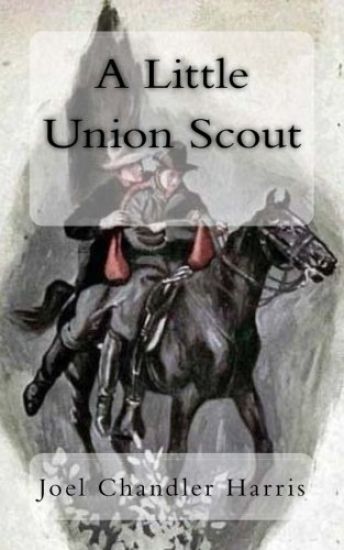
Excerpt from A Little Union Scout The story, such as it was, took shape in my mind, and I am afraid that the young girl had small difficulty in persuading me to tell it. Memory brought before me the smiling features of Harry Herndon, my life-long friend and com rade, the handsome face of Jack Bledsoe, one of our college mates from Missouri, and the beauti ful countenance of his sister, Katherine Bledsoe. These and a hundred other faces came crowding from the past, and the story was told almost be fore I knew it. When Harry Herndon and I went to the wars, we were somewhat belated. The excitement of '61 found us at college, where we had orders to remain until we had finished the course, orders came from one whom we had never dared to disobey - Harry's grandmother. And then, when we were ready to go, she cut in ahead of our plans and sent us to the West with letters to General Dabney Maury, whom she had known when he was a boy and later when he was a young officer in the regular army.