Kirjojen hintavertailu – 12 903 725 kirjaa ja 27 kauppaa

Kirjailija

Joel Westheimer

Kirjat ja teokset yhdessä paikassa: 4 kirjaa, julkaisuja vuosilta 2021–2024, suosituimpiin kuuluu What Kind of Citizen?. Vertaile teosten hintoja ja tarkista saatavuus suomalaisista kirjakaupoista.

4 kirjaa

Kirjojen julkaisuvuodet: 2021–2024.

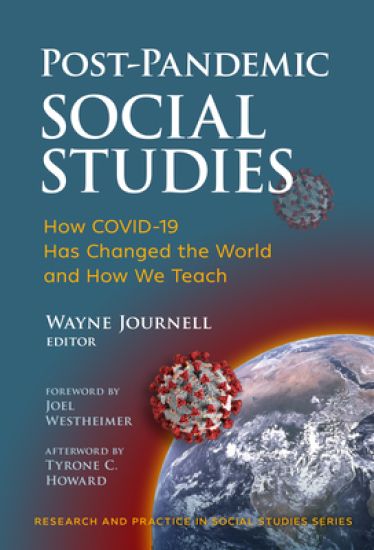
What Kind of Citizen?

What Kind of Citizen?

Joel Westheimer; Gloria Ladson-Billings

TEACHERS' COLLEGE PRESS
2024
sidottu
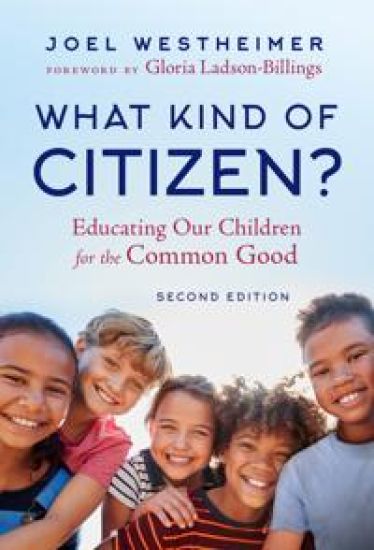
As democracy faces increasing struggles around the globe, there has never been a more important time to talk about civic education and the core democratic purposes of schooling. What Kind of Citizen? asks readers to imagine the society they would like to live in and then shows how schools can make that vision a reality. This updated edition responds to the many challenges that have occurred since this book was first published, such as a global pandemic, social justice protests, a rise in autocratic leaders, anti-woke laws, and more. Westheimer brings his now-classic text up to date with groundbreaking analyses of current policies, including those in Florida, Texas, and Arizona; standardized testing; prohibitions on teaching about race and racism; plus a new section on teacher education. There are many ways to teach children and young adults to engage critically with their world, but instead teachers are forced to test-prep for a narrow set of academic subjects. This book shows readers how schools can get back on track by creating more engaging, more democratic learning. Book Features:A comprehensive look at why schools should be at the forefront of public engagement and how we can make that happen. A framework that has been used in 67 countries to help teachers and school reformers structure educational programs that strengthen democratic societies. Research-based guidance for aligning school goals with what parents, children, and teachers actually care about. Accessible and engaging discussions gleaned through consultations with thousands of school teachers and civic leaders. Empirical research from one of the most influential frameworks for citizenship and democratic education, "Three Kinds of Citizens," which emerged from a collaboration between the author and Dr. Joseph Kahne.
What Kind of Citizen?

What Kind of Citizen?

Joel Westheimer; Gloria Ladson-Billings

TEACHERS' COLLEGE PRESS
2024
nidottu
As democracy faces increasing struggles around the globe, there has never been a more important time to talk about civic education and the core democratic purposes of schooling. What Kind of Citizen? asks readers to imagine the society they would like to live in and then shows how schools can make that vision a reality. This updated edition responds to the many challenges that have occurred since this book was first published, such as a global pandemic, social justice protests, a rise in autocratic leaders, anti-woke laws, and more. Westheimer brings his now-classic text up to date with groundbreaking analyses of current policies, including those in Florida, Texas, and Arizona; standardized testing; prohibitions on teaching about race and racism; plus a new section on teacher education. There are many ways to teach children and young adults to engage critically with their world, but instead teachers are forced to test-prep for a narrow set of academic subjects. This book shows readers how schools can get back on track by creating more engaging, more democratic learning. Book Features:A comprehensive look at why schools should be at the forefront of public engagement and how we can make that happen. A framework that has been used in 67 countries to help teachers and school reformers structure educational programs that strengthen democratic societies. Research-based guidance for aligning school goals with what parents, children, and teachers actually care about. Accessible and engaging discussions gleaned through consultations with thousands of school teachers and civic leaders. Empirical research from one of the most influential frameworks for citizenship and democratic education, "Three Kinds of Citizens," which emerged from a collaboration between the author and Dr. Joseph Kahne.
Post-Pandemic Social Studies

Post-Pandemic Social Studies

Joel Westheimer; Tyrone C. Howard

TEACHERS' COLLEGE PRESS
2021
sidottu
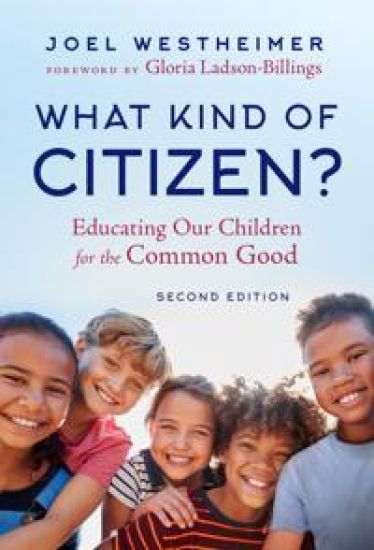
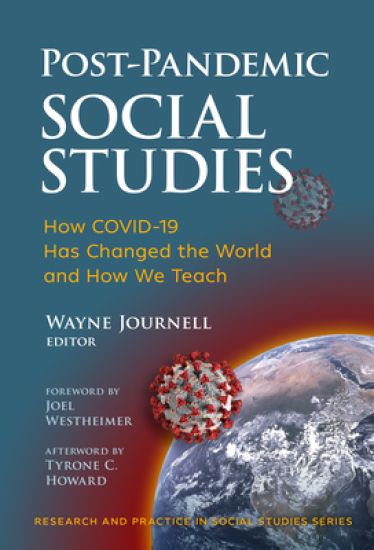
COVID-19 offers a unique opportunity to transform the K–12 social studies curriculum, but history suggests that changes to the formal curriculum will not come easily or automatically. This book was conceived in the space between the dismantling of our old way of life and the anticipation of what comes next. The authors in this volume—leading voices in social studies education—make the case that COVID-19 has exposed deficiencies in much of the traditional narrative found in textbooks and state curriculum standards, and they offer guidance for how educators can use the pandemic to pursue a more justice-oriented, critical examination of contemporary society. Divided into two sections, this volume first focuses on how elementary and secondary educators might teach about the pandemic, both as a contentious public issue and as a recent historical event. The second section asks teachers to reconsider many long-standing aspects of social studies teaching and learning, from content and instructional approaches to testing. Book Features:Guidance on how to teach about the COVID-19 crisis as a recent, controversial historical event. Examples of teaching approaches and classroom projects that align with the C3 Framework. Lessons about COVID-19 for use in K–12 classrooms, as well as chapters on the history of pandemics and on how teachers can help students cope with death and grief. A critical examination of the idea of American exceptionalism, the role of race and class in U. S. society, and fundamental practices within social studies education.
Post-Pandemic Social Studies

Post-Pandemic Social Studies

Joel Westheimer; Tyrone C. Howard

TEACHERS' COLLEGE PRESS
2021
nidottu
COVID-19 offers a unique opportunity to transform the K–12 social studies curriculum, but history suggests that changes to the formal curriculum will not come easily or automatically. This book was conceived in the space between the dismantling of our old way of life and the anticipation of what comes next. The authors in this volume—leading voices in social studies education—make the case that COVID-19 has exposed deficiencies in much of the traditional narrative found in textbooks and state curriculum standards, and they offer guidance for how educators can use the pandemic to pursue a more justice-oriented, critical examination of contemporary society. Divided into two sections, this volume first focuses on how elementary and secondary educators might teach about the pandemic, both as a contentious public issue and as a recent historical event. The second section asks teachers to reconsider many long-standing aspects of social studies teaching and learning, from content and instructional approaches to testing. Book Features:Guidance on how to teach about the COVID-19 crisis as a recent, controversial historical event. Examples of teaching approaches and classroom projects that align with the C3 Framework. Lessons about COVID-19 for use in K–12 classrooms, as well as chapters on the history of pandemics and on how teachers can help students cope with death and grief. A critical examination of the idea of American exceptionalism, the role of race and class in U. S. society, and fundamental practices within social studies education.