

Kirjojen hintavertailu – 12 859 824 kirjaa ja 27 kauppaa

Kirjailija

Johanna Mang

Kirjat ja teokset yhdessä paikassa: 2 kirjaa, julkaisuja vuosilta 2000–2017, suosituimpiin kuuluu The Root Causes of Biodiversity Loss. Vertaile teosten hintoja ja tarkista saatavuus suomalaisista kirjakaupoista.

2 kirjaa

Kirjojen julkaisuvuodet: 2000–2017.

The Root Causes of Biodiversity Loss

The Root Causes of Biodiversity Loss

Alexander Wood; Pamela Stedman-Edwards; Johanna Mang

Routledge
2017
sidottu
The world is losing species and biodiversity at an unprecedented rate. The causes go deep and the losses are driven by a complex array of social, economic, political and biological factors at different levels. Immediate causes such as over-harvesting, pollution and habitat change have been well studied, but the socioeconomic factors driving people to degrade their environment are less well understood. This book examines the underlying causes. It provides analyses of a range of case studies from Brazil, Cameroon, China, Danube River Basin, India, Mexico, Pakistan, Philippines, Tanzania and Vietnam, and integrates them into a new and interdisciplinary framework for understanding what is happening. From these results, the editors are able to derive policy conclusions and recommendations for operational and institutional approaches to address the root causes and reverse the current trends. It makes a contribution to the understanding of all those - from ecologists and conservationists to economists and policy makers - working on one of the major challenges we face.
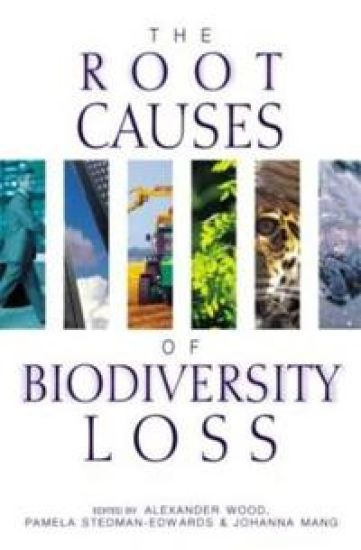
The Root Causes of Biodiversity Loss

The Root Causes of Biodiversity Loss

Alexander Wood; Pamela Stedman-Edwards; Johanna Mang

Earthscan Ltd
2000
nidottu
The world is losing species and biodiversity at an unprecedented rate. The causes go deep and the losses are driven by a complex array of social, economic, political and biological factors at different levels. Immediate causes such as over-harvesting, pollution and habitat change have been well studied, but the socioeconomic factors driving people to degrade their environment are less well understood. This book examines the underlying causes. It provides analyses of a range of case studies from Brazil, Cameroon, China, Danube River Basin, India, Mexico, Pakistan, Philippines, Tanzania and Vietnam, and integrates them into a new and interdisciplinary framework for understanding what is happening. From these results, the editors are able to derive policy conclusions and recommendations for operational and institutional approaches to address the root causes and reverse the current trends. It makes a contribution to the understanding of all those - from ecologists and conservationists to economists and policy makers - working on one of the major challenges we face.