Kirjojen hintavertailu – 12 859 818 kirjaa ja 27 kauppaa
Kirjailija
John C. Tibbetts
Kirjat ja teokset yhdessä paikassa: 10 kirjaa, julkaisuja vuosilta 1993–2021, suosituimpiin kuuluu The Gothic Imagination. Vertaile teosten hintoja ja tarkista saatavuus suomalaisista kirjakaupoista.
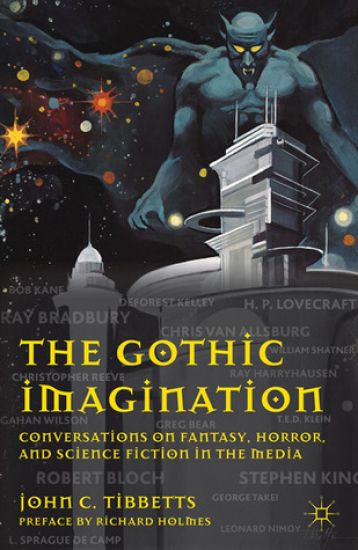
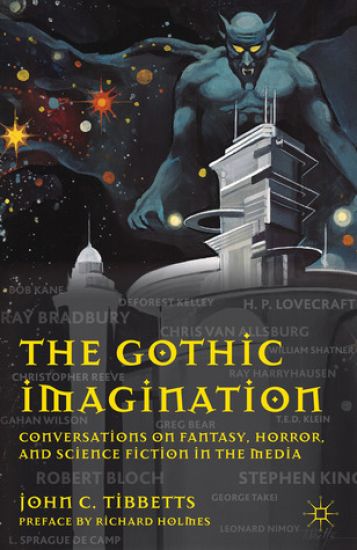
This book brings together the author's interviews with many prominent figures in fantasy, horror, and science fiction to examine the traditions and extensions of the gothic mode of storytelling over the last 200 years and its contemporary influence on film and media.
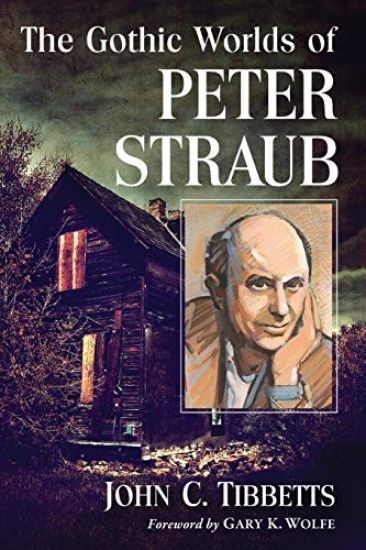
Horror novelist Peter Straub creates highly personalized fiction with an allusiveness and ambiguity that deny the genre's explicit nature. For him, the Gothic style is to be created and recreated in a changing world--Faustian pacts, buried secrets, haunted places, ghosts, vampires and succubi take on strange new shapes and effects. Stephen King describes Straub's style as "a synthesis of horror and beauty." Drawing on interviews with Straub and featuring an exclusive interview with King, this study explores the work of the author who has been called "a writer of rare wit and intelligence in a field beset with cynical potboilers" (Douglas E. Winter, Washington Post, October 14, 1984).
What was it like to work behind the scenes, away from the spotlight's glare, in Hollywood's so-called Golden Age? The interviews in this book provide eye-witness accounts from the likes of Steven Spielberg and Terry Gilliam, to explore the creative decisions that have shaped some of Classical Hollywood's most-loved films.
What was it like to work behind the scenes, away from the spotlight's glare, in Hollywood's so-called Golden Age? The interviews in this book provide eye-witness accounts from the likes of Steven Spielberg and Terry Gilliam, to explore the creative decisions that have shaped some of Classical Hollywood's most-loved films.
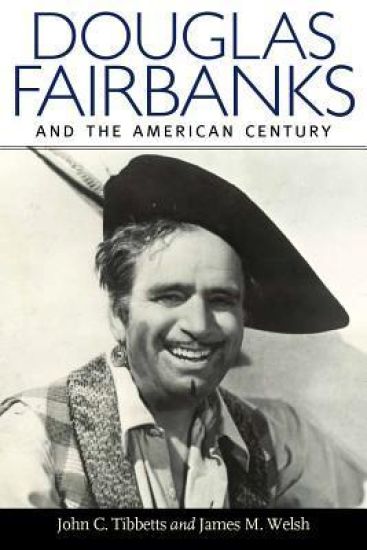
Douglas Fairbanks and the American Century brings to life the most popular movie star of his day, the personification of the Golden Age of Hollywood. At his peak, in the teens and twenties, the swashbuckling adventurer embodied the new American Century of speed, opportunity, and aggressive optimism. The essays and interviews in this volume bring fresh perspectives to his life and work, including analyses of films never before examined. Also published here for the first time in English is a first-hand production account of the making of Fairbanks's last silent film, The Iron Mask. Fairbanks (1883-1939) was the most vivid and strenuous exponent of the American Century, whose dominant mode after 1900 was the mass marketing of a burgeoning democratic optimism, at home and abroad. During those first decades of the twentieth century, his satiric comedy adventures shadow-boxed with the illusions of class and custom. His characters managed to combine the American Easterner's experience and pretension and the Westerner's promise and expansion. As the masculine personification of the Old World aristocrat and the New World self-made man--tied to tradition yet emancipated from history--he constructed a uniquely American aristocrat striding into a new age and sensibility. This is the most complete account yet written of the film career of Douglas Fairbanks, one of the first great stars of the silent American cinema and one of the original United Artists (comprising Fairbanks, Mary Pickford, Charles Chaplin, and D. W. Griffith). John C. Tibbetts and James M. Welsh's text is especially rich in its coverage of the early years of the star's career from 1915 to 1920 and covers in detail several films previously considered lost.
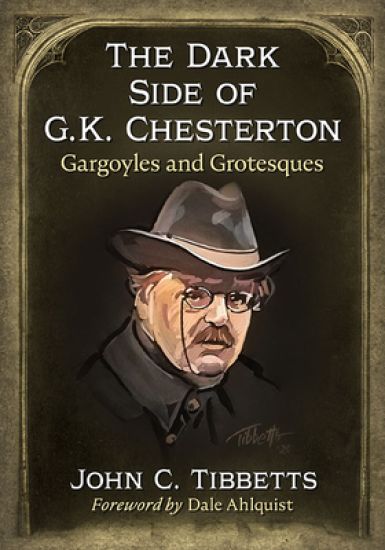
This is a critical study of the great British man of letters G. K. Chesterton, devoted to the novels, stories and essays that explore the darker fringes of his wild imagination. "Everything is different in the dark," wrote Chesterton; "perhaps you don't know how terrible a truth that is." Chesterton's use of the theme of "gargoyles" provides the thematic structure of the book. It covers the detective stories of Father Brown and others, the locked rooms and miracle crimes in his writing, his status as a science fiction writer, and the riddles and paradoxes of three works--Job, The Man Who Was Thursday, and the play The Surprise. This volume also includes an interlude about Chesterton and Jorge Luis Borges and a robust appendix including interviews about the formation of Ignatius Press's Collected Chesterton.
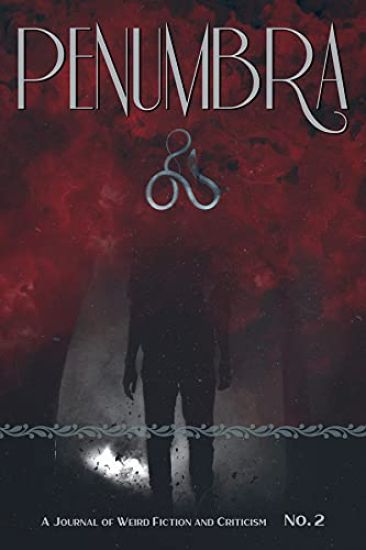
The second issue of Penumbra is highlighted by "Lost for Words," a new story by Ramsey Campbell, the leading writer of weird and supernatural literature of our time. In addition, veteran writers Darrell Schweitzer and Mark Samuels contribute original tales. Among younger writers, Curtis M. Lawson presents a science fiction/horror hybrid; Katherine Kerestman pens a skillful tale of vampirism; Scott J. Couturier, Geoffrey Reiter, Scott Bradfield, and Shawn Phelps offer glimpses of terror and strangeness; and Manuel Arenas contributes a moving prose poem. The issue also includes, as its classic reprint, Algernon Blackwood's first published weird tale. Among the articles in this issue, Martin Wangsgaard J rgensen examines religiosity in the early tales of Lord Dunsany; James Goho analyzes the roots of terror in the work of Caitl n R. Kiernan; John C. Tibbetts studies weird elements in the oeuvre of acclaimed science fiction writer Greg Bear; S. T. Joshi presents a comprehensive account of the weird work of Guy de Maupassant; and other essays discuss William Hope Hodgson, vampire poetry, Clark Ashton Smith's Hyperborea cycle, John Collier, and other subjects. Adam Bolivar, Wade German, Ann K. Schwader, Leigh Blackmore, Maxwell I. Gold, and Frank Coffman are among the poets included in this issue. In all, Penumbra No. 2 is a cornucopia of the bizarre in fiction, essays, and verse.
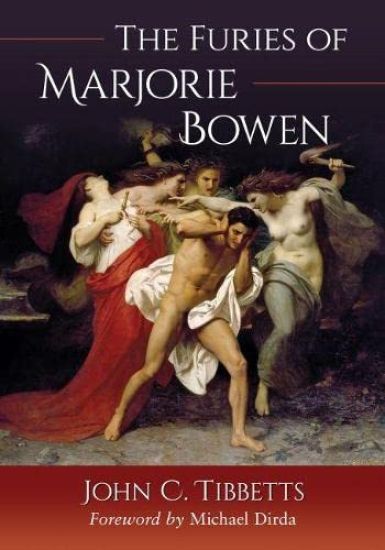
This first book-length critical examination of the life and work of Marjorie Bowen (1885-1952) reveals a major English writer whose prodigious output included stories of history, romance, and the supernatural. As Pulitzer Prize-winning critic Michael Dirda writes in his Foreword, Bowen may be "the finest British woman writer of the uncanny of the last century," a view that echoes the high regard of cultural historian Edward Wagenknecht, who called her "a literary phenomenon," one whose best work places her alongside such contemporaries as Edith Wharton and Daphne du Maurier. Publicly acclaimed--known only by a series of pseudonyms (including "Marjorie Bowen")--but privately inscrutable, she was and is a mysterious and complex character. Drawing for the first time upon archival resources and the cooperation of the Bowen Estate, this book reveals a woman who saw herself as a rationalist and serious historian, but also as a mystic and "dark enchantress of dread." Above all, through a lifetime of domestic storms and creative ecstasy, Bowen worked tirelessly as both a professional writer and a consummate artist, always seeking, as she once confessed, "to find beauty in dark places."
This book brings together the author's interviews with many prominent figures in fantasy, horror, and science fiction to examine the traditions and extensions of the gothic mode of storytelling over the last 200 years and its contemporary influence on film and media.