Kirjojen hintavertailu – 12 859 818 kirjaa ja 27 kauppaa
Kirjailija
John Davidson
Kirjat ja teokset yhdessä paikassa: 988 kirjaa, julkaisuja vuosilta 1987–2026, suosituimpiin kuuluu Bruce. Vertaile teosten hintoja ja tarkista saatavuus suomalaisista kirjakaupoista.
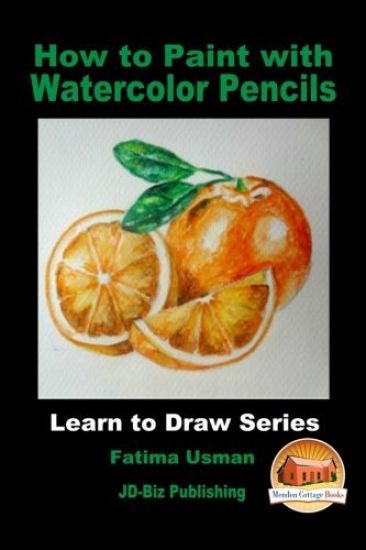
Table of Contents About Watercolors Short History Types of Water Colors Watercolor Pencils Different Techniques of Watercolor painting Materials used for Watercolor Painting Material for drawing Watercolor Pencils Tracing Paper Watercolor Pencils water color pencils are a helpful way of achieving realistic results from watercolors. Watercolors Paper Brushes Containers Masking fluid Tissue Paper Board Masking Tape Hair Dryer Practice Lessons How to paint a leaf with watercolor pencils How to paint a Ladybug with watercolor pencils How to paint oranges with watercolor pencils How to Paint a Pok mon with watercolor pencils End Word Artist Bio Publisher About Watercolors Short History Water colors are also called Aquarelle which is a French word. Aquarelle means water. In these paints, the colors are made of pigments mixed in water based liquid. Water color painting had bloomed in England, somewhere in eighteenth century. Basically water colors history goes as far as cave men. The cave men were actually the first people who used colors that were water based to paint their ritual paintings in caves. They used their hands and fingers to paint different animals on cave walls. The ancient Egyptians also used water based paints to tell their stories. They painted stories of power, drought, and blessings on their walls. The Egyptians also painted on paper that was made of papyrus with water based colors. The Chinese and Japanese also used water colors for their works. These artists worked on fabric and used silk as their work surface to paint literature and calligraphy. Chinese calligraphy is renowned throughout the world and many Chinese artists still use water based inks. After that, from China the tradition was taken to western world. The Indians and Persians used water based paints in their works of decoration, and the Muslims used them to show their religious history. Paper, off course, played its role in flourishing of our beloved water colors. We can give the credit to Chinese. Chinese were very good at creating paper. They had handmade papers of best qualities. In the eighth century, the Arabs came to know their ways of making papers. Europeans imported paper for a long time until they managed to open their own mill in Italy. In early ages paper was considered a great luxury as it was very expensive. This was one of the major reasons why the water color paintings did not flourish for a long time. When paper became available to people the great artists like Leonardo de Vinci started using it for their drawings. Albrecht Durer, a German artist, is known to be the first master of water colors. Among his many paintings, the Owl is worth seeing and worth studying. The depth of the eyes and the softness of the bird are very evident. Water color is a type of medium that is very unpredictable. A water colorist, in most of the cases and techniques has to be fast. This comes with time and experience. The more you paint, the more you learn. Trial and error does count. In water color all the colors are water based. Be it water color tubes or cakes. It depends on individual artist what he/she is comfortable with; otherwise, the pan and the tube colors work the same. There isn't much difference as far as you are using good quality brands. For a beginner it is better to use affordable beginner's paints. Usually it is mentioned on the box as 'Beginners Quality.'
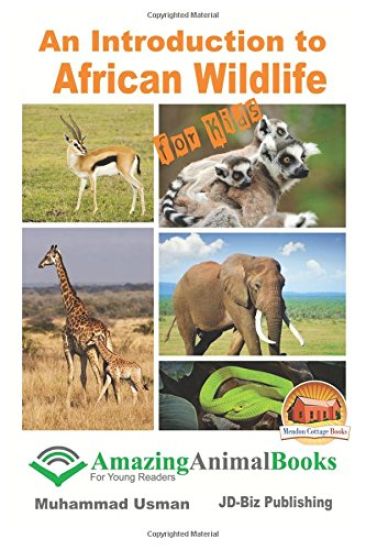
TABLE OF CONTENTS INTRODUCTION AFRICAN WILDCATS Africa's Big Cats Africa's Small Cats BIRDS OF AFRICA THE CONTINENT OF THE APES Africa's Small Primates The Great Apes of Africa AFRICA'S FAVORITE HERBIVORES THE REPTILES OF AFRICA WEIRD ANIMALS LIVING IN AFRICA CONCLUSION AUTHOR BIO PUBLISHER Introduction I want to thank you for downloading the book, "An Introduction to the African Wildlife for Kids" This book is a realistic guide that will teach your kids about the wonderful animals that exist on the continent of Africa. For the purpose of conserving the diversity of life, it is important to consider, that every single animal mentioned in this book deserves a lot of care and that anyone can take the necessary steps to make sure that they continue to exist. A big part of the book covers the history of these animals, where they are usually found, what they eat, and that sort of thing; there's a lot to be learnt from this book, but if you just want to jump right in and look at the lovely animals, so that you are aware of them, the pictures will suffice. It is the hope of the author that you'll actually get to learn more about these remarkable African animals so that you can appreciate them and maybe even visit the continent of Africa to see how they look like in their natural habitat. This book talks more about the treasures of African wildlife; a sneak-peek into the life of spectacular wild animals found in the Mother-Continent. Enjoy