Kirjojen hintavertailu – 12 903 725 kirjaa ja 27 kauppaa

Kirjailija

John de Graaf

Kirjat ja teokset yhdessä paikassa: 3 kirjaa, julkaisuja vuosilta 2014–2020, suosituimpiin kuuluu Affluenza. Vertaile teosten hintoja ja tarkista saatavuus suomalaisista kirjakaupoista.

3 kirjaa

Kirjojen julkaisuvuodet: 2014–2020.

Affluenza

Affluenza

John de Graaf; David Wann; Thomas H Naylor

Readhowyouwant
2014
pokkari
NEW EDITION, REVISED AND UPDATED affluenza, n. a painful, contagious, socially transmitted condition of overload, debt, anxiety, and waste resulting from the dogged pursuit of more. We tried to warn you The 2008 economic collapse proved how resilient and dangerous affluenza can be. Now in its third edition, this book can safely be called prophetic in showing how problems ranging from loneliness, endless working hours, and family conflict to rising debt, environmental pollution, and rampant commercialism are all symptoms of this global plague. The new edition traces the role overconsumption played in the Great Recession, discusses new ways to measure social health and success (such as the Gross Domestic Happiness index), and offers policy recommendations to make our society more simplicity - friendly. The underlying message isn't to stop buying - it's to remember, always, that the best things in life aren't things.
Happiness, Well-being and Sustainability

Happiness, Well-being and Sustainability

Laura Musikanski; Rhonda Phillips; James Bradbury; John de Graaf; Clinton Bliss

Routledge
2020
sidottu
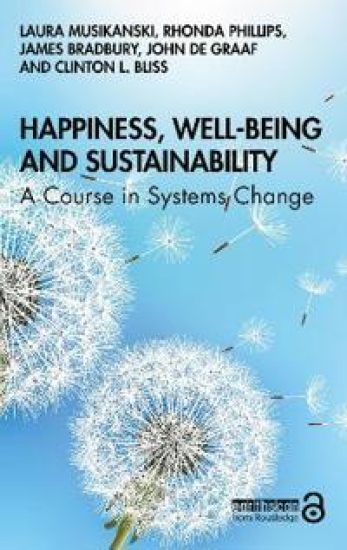
Happiness, Well-being and Sustainability: A Course in Systems Change is the first textbook bridging the gap between personal happiness and sustainable social change. The book provides a guide for students to increase their skills, literacy and knowledge about connections between a sense of well-being and systems change. Further, it can help students live a life that brings them happiness and contributes to the well-being of others and the sustainability of our planet. The book is presented in seven chapters covering the subjects of systems thinking, personal and societal values, measuring happiness, human needs, ecological sustainability and public policy. In addition, each section includes engaging exercises to empower students to develop their own ideas, prompts for group discussion, suggestions for additional research and an extensive list of resources and references. The book is written in the context of systems thinking with a style that is approachable and accessible. Happiness, Well-being and Sustainability provides essential reading for students in courses on happiness, social change and sustainability studies, and provides a comprehensive framework for instructors looking to initiate courses in this field. A website to support the professors teaching the book is available at: https://www.happycounts.org/coursebook.htmlThe Open Access version of this book, available at http://www.taylorfrancis.com, has been made available under a Creative Commons Attribution-Non Commercial-No Derivatives (CC-BY-NC-ND) 4.0 license.”
Happiness, Well-being and Sustainability

Happiness, Well-being and Sustainability

Laura Musikanski; Rhonda Phillips; James Bradbury; John de Graaf; Clinton Bliss

Routledge
2020
nidottu
Happiness, Well-being and Sustainability: A Course in Systems Change is the first textbook bridging the gap between personal happiness and sustainable social change. The book provides a guide for students to increase their skills, literacy and knowledge about connections between a sense of well-being and systems change. Further, it can help students live a life that brings them happiness and contributes to the well-being of others and the sustainability of our planet. The book is presented in seven chapters covering the subjects of systems thinking, personal and societal values, measuring happiness, human needs, ecological sustainability and public policy. In addition, each section includes engaging exercises to empower students to develop their own ideas, prompts for group discussion, suggestions for additional research and an extensive list of resources and references. The book is written in the context of systems thinking with a style that is approachable and accessible. Happiness, Well-being and Sustainability provides essential reading for students in courses on happiness, social change and sustainability studies, and provides a comprehensive framework for instructors looking to initiate courses in this field. A website to support the professors teaching the book is available at: https://www.happycounts.org/coursebook.htmlThe Open Access version of this book, available at http://www.taylorfrancis.com, has been made available under a Creative Commons Attribution-Non Commercial-No Derivatives (CC-BY-NC-ND) 4.0 license.”