Kirjailija
John Edwards
Kirjat ja teokset yhdessä paikassa: 114 kirjaa, julkaisuja vuosilta 1980–2026, suosituimpiin kuuluu Eero. Vertaile teosten hintoja ja tarkista saatavuus suomalaisista kirjakaupoista.
114 kirjaa
Kirjojen julkaisuvuodet: 1980–2026.
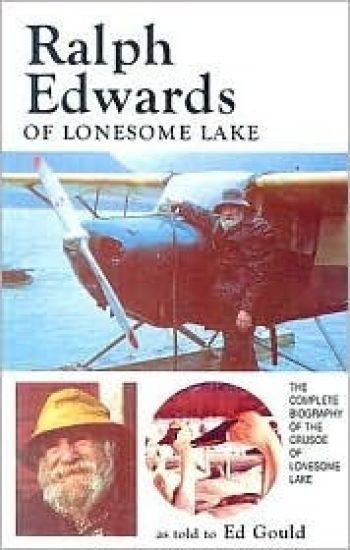
Ralph Edwards of Lonesome Lake
John Edwards; Stan Edwards
Hancock House Publishers Ltd ,Canada
2010
pokkari
Often called The Crusoe of Lonesome Lake, because of a best-selling book written by the American journalist Leland Stowe, Edwards has gone on to live at least one more life and reveals himself to be a pioneer of a breed that no longer exists. Best known for his almost single-handed rescue of the trumpeter swans from extinction in North America, Edwards now related in his own words other aspects of his long, varied life, including experience with his missionary parents in India, as a telegraph operator under fire in World War I and his eventual return to Lonesome Lake.
This book provides comprehensive coverage of language contact in classroom settings. A thorough analysis of the sources and implications of social “disadvantage” is presented first, since the nonstandard dialects that children bring with them to school – and the unfavourable perceptions of these dialects – have traditionally given rise to educational difficulties. The persistence of these perceptions is particularly highlighted. More general issues surrounding the range and implications of language attitudes are dealt with, as is the important “test case” of Black English. The book also discusses foreign-language teaching and learning, as well as the assumptions and intentions underpinning bilingual and multicultural education. Given its breadth and its style, this book should be of interest and value to all teachers, as well as to students and researchers concerned with any aspect of the social life of language.

The language we use forms an important part of our sense of who we are - of our identity. This book outlines the relationship between our identity as members of groups - ethnic, national, religious and gender - and the language varieties important to each group. What is a language? What is a dialect? Are there such things as language 'rights'? Must every national group have its own unique language? How have languages, large and small, been used to spread religious ideas? Why have particular religious and linguistic 'markers' been so central, singly or in combination, to the ways in which we think about ourselves and others? Using a rich variety of examples, the book highlights the linkages among languages, dialects and identities, with special attention given to religious, ethnic and national allegiances.
The language we use forms an important part of our sense of who we are - of our identity. This book outlines the relationship between our identity as members of groups - ethnic, national, religious and gender - and the language varieties important to each group. What is a language? What is a dialect? Are there such things as language 'rights'? Must every national group have its own unique language? How have languages, large and small, been used to spread religious ideas? Why have particular religious and linguistic 'markers' been so central, singly or in combination, to the ways in which we think about ourselves and others? Using a rich variety of examples, the book highlights the linkages among languages, dialects and identities, with special attention given to religious, ethnic and national allegiances.
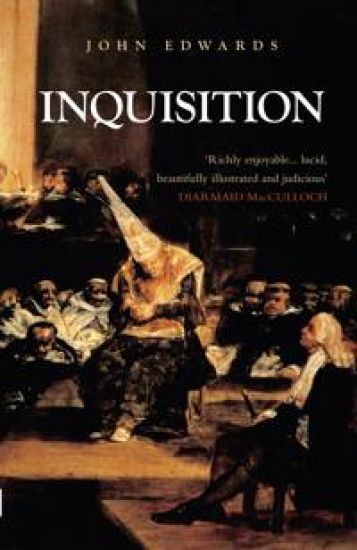
The Spanish Inquisition is now a by-word for violence and religious intolerance. In 1478, at the instigation of the Catholic Ferdinand and Isabella, Torquemada led the Inquisition to root out heresy. There was no heresy to speak of in Spain, and in reality the Inquisition acted against converts from Judaism to Christianity who were suspected of retaining Jewish practice. This history is a catalogue of terror and torture - 2000 people were burnt at the stake, and hundreds more were subjected to horrific acts of abuse. John Edwards compellingly analyzes both the truths and the myths of this period along with the motivation behind it.
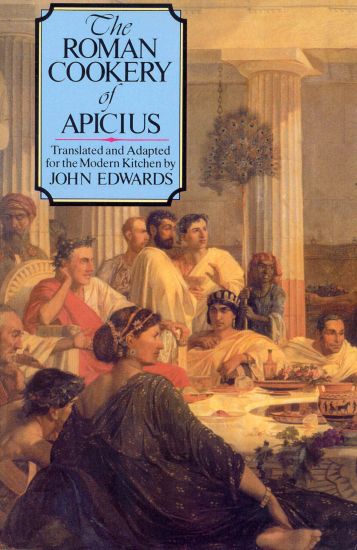
Apicius, first century author of De Re Conquinaria (On Cookery), has been described as the most demanding of gourmets, and his amazingly sophisticated recipes havve long been awaiting rediscovery with practical adaptation for the modern kitchen.

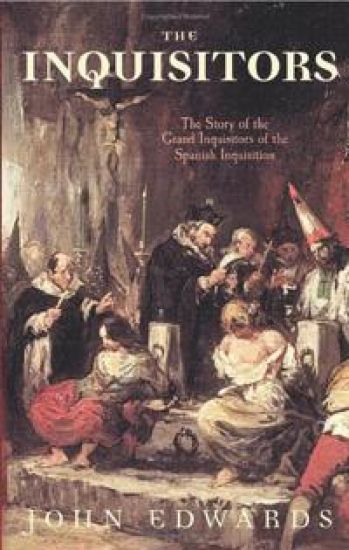
The mentality of Spain's Inquisitors has fascinated people for centuries. This work investigates the Inquisitors-General, both as personalities - psychopaths to soulless bureaucrats - and as actors in the turbulent history of Spain between 1480, when the Inquisition started work, and its final abolition in 1834.
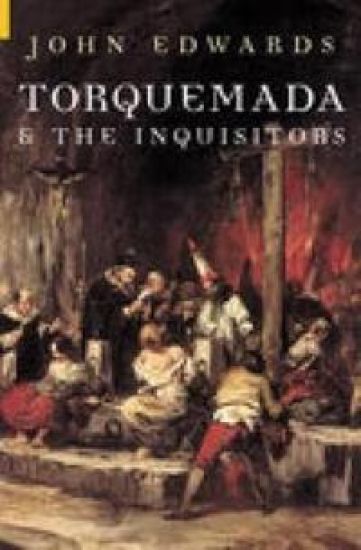
The electrifying personal and career histories of the principal Grand Inquisitors of the Inquisition. It was on their orders that 10,000s of Jews and Muslims were tortured and burnt at the stake.

Although telecom companies are battling for survival, technology is moving forward. In research laboratories around the world, powerful new technologies are being developed that will shape tomorrow's communications world. Telecosmos will look at the many different telecom concepts that will be adopted by both consumers and businesses in the years ahead.
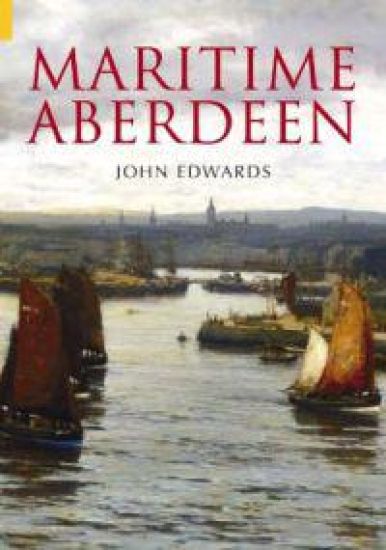
Aberdeen has been at the centre of maritime industry and events in the United Kingdom for centuries. This most northerly of cities has been in its day the home of the first and finest of British clipper ships, the biggest Scottish fishing port and capital of the European offshore oil and gas industry. Although disadvantaged by its relative remoteness from the rest of the UK, the city has always looked to the sea from its livelihood, trade and sustenance. From fishing boats to ferries, from clipper ships to liners and from oil rig support vessels to the city's history of shipbuilding, all aspects of Aberdeen's rich maritime heritage are shown here in this unique collection of images from Aberdeen Maritime Museum. They show principally the work and ingenuity of the people of Aberdeen who, through their maritime enterprise, developed and sailed some of the finest ships in the world.
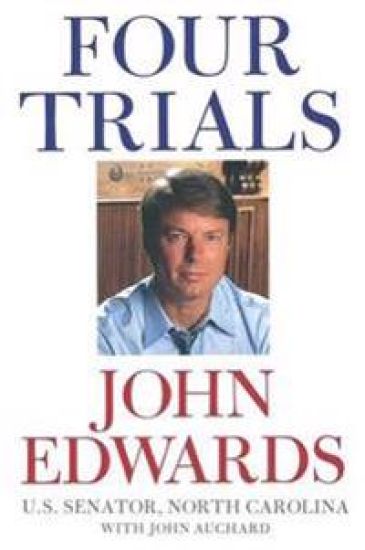
Raised in a small town by parents employed in the local mills, John Edwards worked in those mills himself -- and then went on to become one of America's most successful and respected attorneys. He built a national reputation representing people whose lives had been shattered by corporate recklessness and grievous medical negligence. In landmark cases, Edwards helped people from all walks of life stand up for themselves against tremendous odds. Four Trials provides an electrifying account of four of his cases as it tells the story of the courageous and unmistakably decent people Edwards was privileged to represent in times of tragedy, great loss, and often great joy. And in a deeply moving account, Four Trials also speaks of the tragedies and joys that Senator Edwards has known in his own life -- and how today life and justice are more precious to him than ever.