Kirjojen hintavertailu – 12 903 725 kirjaa ja 27 kauppaa
Kirjailija
John F. Reynolds
Kirjat ja teokset yhdessä paikassa: 5 kirjaa, julkaisuja vuosilta 2006–2013, suosituimpiin kuuluu 1767-1769. Vertaile teosten hintoja ja tarkista saatavuus suomalaisista kirjakaupoista.
Die Briefe in diesem Band liefern ein Bild Gellerts in den letzten Jahren seines Lebens, dokumentieren seine Zusammenarbeit mit Johann Adolf Schlegel an der Vorbereitung seiner S mtlichen Schriften und verdeutlichen den Umfang seiner Beziehungen zu breiten Schichten der deutschen Gesellschaft. Hier wird z. B. der Lucius-Briefwechsel zu Ende gef hrt. Der Abschnitt "Wieder aufgefundene Briefe" pr sentiert die vollst ndigen Texte von Briefen, die in fr heren B nden nur teilweise gedruckt werden konnten. Briefe, die seit dem Druck des ersten Bandes zum Vorschein gekommen sind, finden sich in der Abteilung "Neu aufgefundene Briefe". Undatierte Briefe werden gesondert behandelt, wobei jeweils der Versuch gemacht wird, diese Schreiben chronologisch einzuordnen. Den Abschluss des Bandes bilden ein Register zum f nften Band und ein Gesamtregister zu allen f nf B nden.
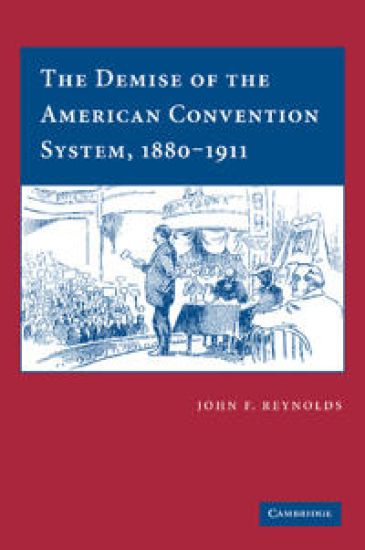
During the nineteenth century American political parties selected their candidates for elective offices in conventions. Around 1910 most states established a system of direct primaries whereby the voters selected their parties' nominees for public office. This book examines the transition from the indirect to the direct primary, as well as its implications for American politics. It offers a systematic analysis of the convention system in four states (New Jersey, Michigan, Colorado and California) and the legislative history of the regulation of political parties during the Progressive Era. It argues that the major political parties themselves were chiefly responsible for doing away with the nominating convention. Candidates played a pivotal role in inaugurating the new nominating system as they became more open and aggressive in pursuit of their parties' nominations. The convention system was never designed to withstand the pressures exerted on it by a more competitive nominating process.
""Toward Gettysburg: A Biography of General John F. Reynolds"" by Edward J. Nichols is a comprehensive account of the life and military career of one of the most important Union generals during the American Civil War. The book traces Reynolds' life from his childhood in Lancaster, Pennsylvania, to his education at West Point, his service in the Mexican-American War, and his rise through the ranks of the Union Army during the Civil War. The book focuses on Reynolds' role in the lead-up to the Battle of Gettysburg, which was one of the most significant battles of the Civil War. Reynolds played a crucial role in the early stages of the battle, and his death on the first day of the battle was a significant blow to the Union Army. The author provides a detailed and engaging narrative of Reynolds' life, drawing on a wealth of primary sources, including letters, diaries, and official reports. The book also includes numerous maps and illustrations that help to bring the story to life. Overall, ""Toward Gettysburg: A Biography of General John F. Reynolds"" is a must-read for anyone interested in the Civil War or military history more broadly. It provides a fascinating insight into the life of one of the Union's most important generals and sheds new light on the events leading up to the Battle of Gettysburg. This scarce antiquarian book is a facsimile reprint of the old original and may contain some imperfections such as library marks and notations. Because we believe this work is culturally important, we have made it available as part of our commitment for protecting, preserving, and promoting the world's literature in affordable, high quality, modern editions, that are true to their original work.
During the nineteenth century American political parties selected their candidates for elective offices in conventions. Around 1910 most states established a system of direct primaries whereby the voters selected their parties' nominees for public office. This book examines the transition from the indirect to the direct primary, as well as its implications for American politics. It offers a systematic analysis of the convention system in four states (New Jersey, Michigan, Colorado and California) and the legislative history of the regulation of political parties during the Progressive Era. It argues that the major political parties themselves were chiefly responsible for doing away with the nominating convention. Candidates played a pivotal role in inaugurating the new nominating system as they became more open and aggressive in pursuit of their parties' nominations. The convention system was never designed to withstand the pressures exerted on it by a more competitive nominating process.