Kirjojen hintavertailu – 12 859 824 kirjaa ja 27 kauppaa

Kirjailija

John F. Schank

Kirjat ja teokset yhdessä paikassa: 26 kirjaa, julkaisuja vuosilta 1995–2015, suosituimpiin kuuluu The United Kingdom's Nuclear Submarine Industrial Base. Vertaile teosten hintoja ja tarkista saatavuus suomalaisista kirjakaupoista.

Nimi esiintyy myös muodoissa: John F Schank

26 kirjaa

Kirjojen julkaisuvuodet: 1995–2015.

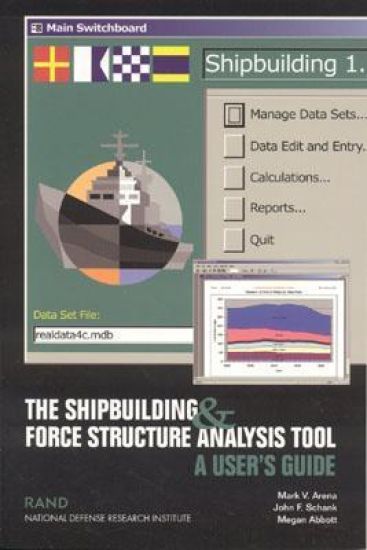
The Shipbuilding and Force Structure Analysis Tool

The Shipbuilding and Force Structure Analysis Tool

Mark V. Arena; John F. Schank; Megan Abbott

RAND
2004
pokkari
The Shipbuilding and Force Structure Analysis Tool is a series of four linked models that provide an environment in which the user is able to understand the implications of force structure choices on resource requirements and the shipyard industrial base. This is an introduction to the tool.
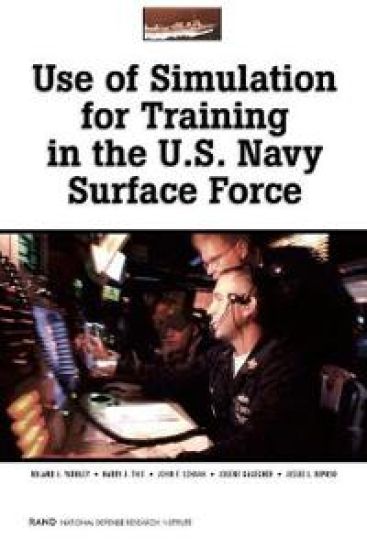
Use of Simulation for Training in the U.S. Navy Surface Force

Use of Simulation for Training in the U.S. Navy Surface Force

Roland Yardley; Harry J. Thie; John F. Schank; Jolene Galegher

RAND
2003
pokkari
Examines current and prospective use of simulation in training for US Navy Ships. A number of naval exercises can be conducted in port, using various forms of simulation, rather than at sea. Some groups, such as commercial shipping, already rely more heavily on such training than the US Navy does. Can the US Navy do the same, yet still maintain or improve readiness? The authors look at current uses of simulation and suggest ways to best use underway and simulation training time and strategies for implementation.
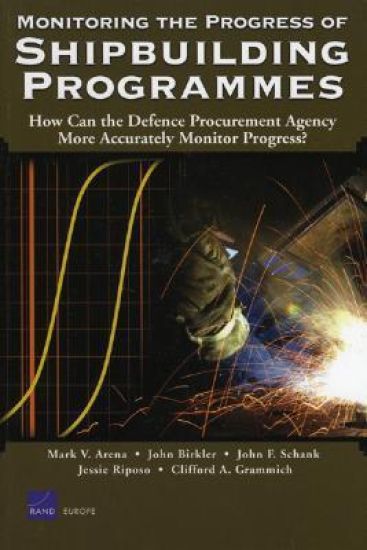
Monitoring the Progress of Shipbuilding Programmes

Monitoring the Progress of Shipbuilding Programmes

Mark V. Arena; John Birkler; John F. Schank; Jessie Riposo; Clifford Grammich

RAND
2003
pokkari
Explores the reasons for and ways to anticipate schedule delays in shipbuilding programmes. 450-character abstract: The Defence Procurement Agency, part of the UK Ministry of Defence, asked Rand to analyze how major shipbuilders and contractors monitor programme progress, to consider what information would be useful for shipbuilders to provide the agency, and to understand why ships are delivered late and why commercial shipbuilders maintain a much better schedule performance than do military builders. This monograph presents the researchers' findings and recommendations, which was based on surveys of major US, UK, and other European shipbuilders and other extensive industry research.
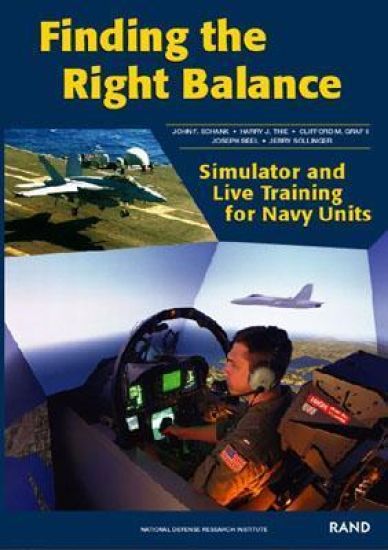
Finding the Right Balance

Finding the Right Balance

John F. Schank

RAND
2002
pokkari
The optimal training mix to help the Navy achieve peak readiness at less cost. Abstract text (initials): Can the U. S. Navy save money by increasing its use of simulators without sacrificing readiness? The authors look at the use of simulators in the Air Force, the Marines, and French and British forces to see if the Navy's current mix of simulator and live training should be changed substantially for the first time since the 1970s. After presenting the data for each service branch and type of simulator, the authors conclude that the Navy must first decide how it wants to measure readiness before an increased use of simulators will yield tangible returns in the form of increased proficiency at lower cost (DS).
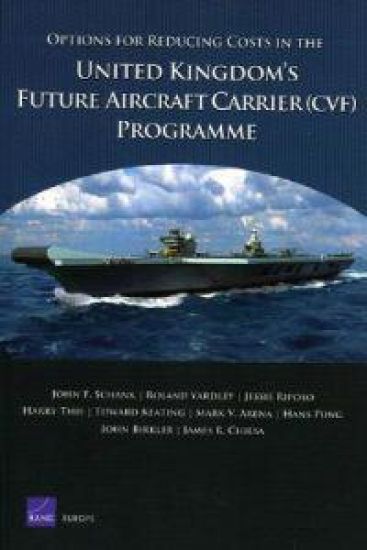
Options for Reducing Costs in the United Kingdom's Future Aircraft Carrier (CVF) Programme

Options for Reducing Costs in the United Kingdom's Future Aircraft Carrier (CVF) Programme

John F. Schank; Roland Yardley; Jessie Riposo; Harry J. Thie; Edward G. Keating; Mark V. Arena; Hans Pung; John Birkler; James R. Chiesa

RAND
1995
pokkari
Examines ways in which the UK Ministry of Defence can reduce the whole-life costs and manpower requirements of the Royal Navy's two Future Aircraft Carriers (CVFs). In 2012 and 2015, respectively, the United Kingdom's Ministry of Defence will replace its three Invincible-class aircraft carriers with two Future Aircraft Carriers (CVFs), the largest ships ever constructed for the Royal Navy. The research described in this report focuses on possible reductions in whole-life costs and manpower requirements of the carriers.